About All ToursHiking ToursClimbing ToursTrekking ToursPrivate ToursAnd Safari ToursNorthern Circuit Tours Directions Hours & Fees Guides
Find Tours 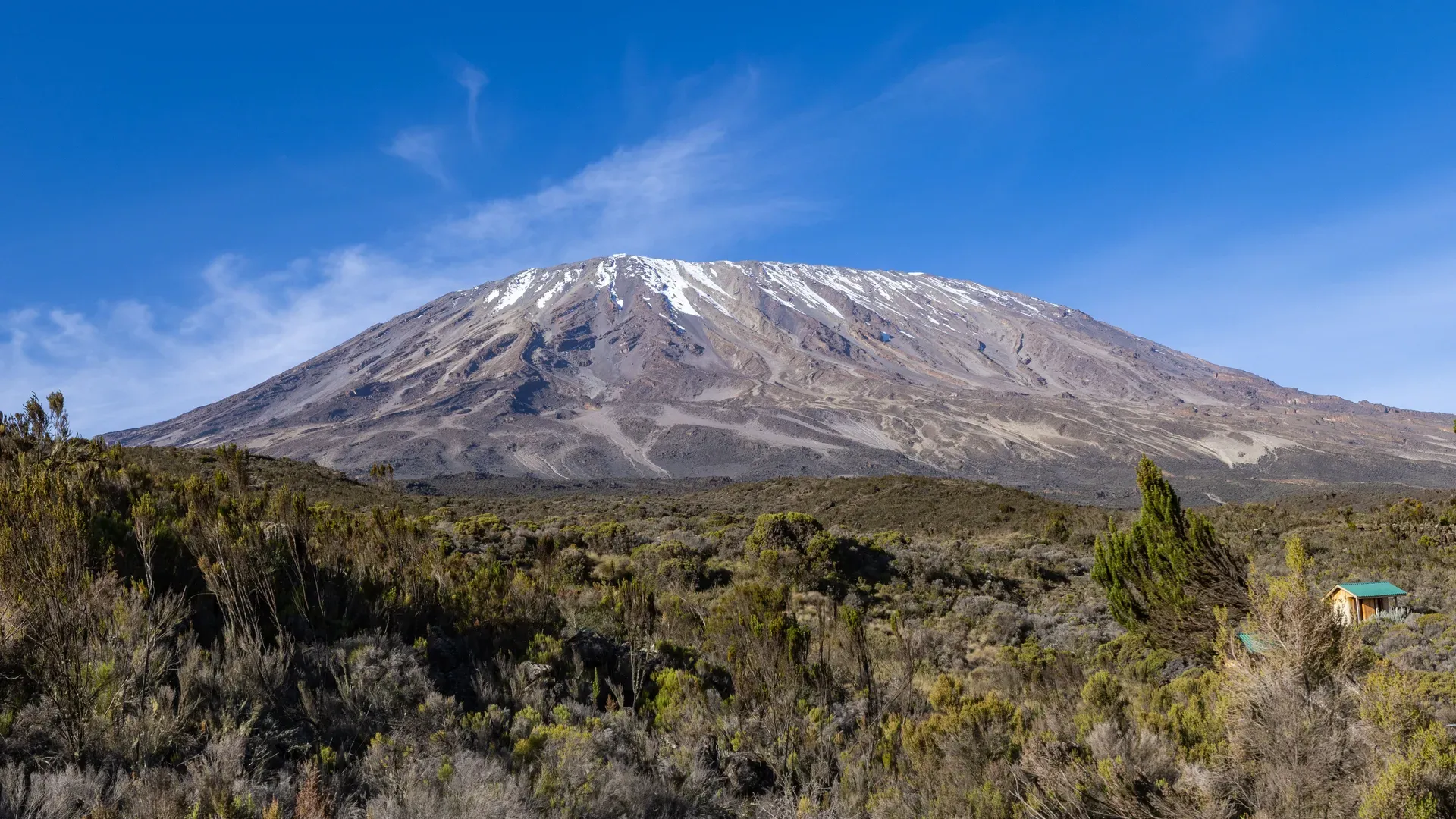
Choose from multi-day treks on the Machame or Marangu routes, or opt for a scenic day hike. These guided climbing experiences include professional crews, meals, and necessary safety equipment to help you reach the summit.
 Free Cancellation
 Hike Kilimanjaro's Machame Route with full porter support, tent camping, and views of the Barranco Wall.
 Free Cancellation
 Summit Kilimanjaro with guides who have 100+ climbs, daily health checks, and emergency oxygen on every trek.
 Free Cancellation
 Hike Kilimanjaro's Marangu Route with Zara Tours, staying in solar-powered huts equipped with beds and mattresses.
 Free Cancellation
 Hike to Mandara Hut through Kilimanjaro’s montane forest with a naturalist guide and a picnic lunch.
 Free Cancellation
 Summit Uhuru Peak via the Marangu route on this 5-day guided trek with Moshi hotel pickups.
 Free Cancellation
 Local guides lead these Kilimanjaro climbs using Mountain Hardwear gear and daily health checks for altitude safety.
 Free Cancellation
 Summit Kilimanjaro in six days via the Machame route, using early altitude gains to speed up acclimatization.
 Free Cancellation
 This 6-day trek reaches Kilimanjaro's 5,895-meter summit via the steep Machame Route.
 Free Cancellation
 Reach Uhuru Peak (5,895m) via the Lemosho Route on a 7-day group trek optimized for altitude acclimatization.
 Free Cancellation
 Sleep in A-frame huts on Kilimanjaro’s oldest route, a direct path with a gradual climb from the southeast.
Read what travelers share about their experience visiting Mount Kilimanjaro — from practical tips to personal highlights.
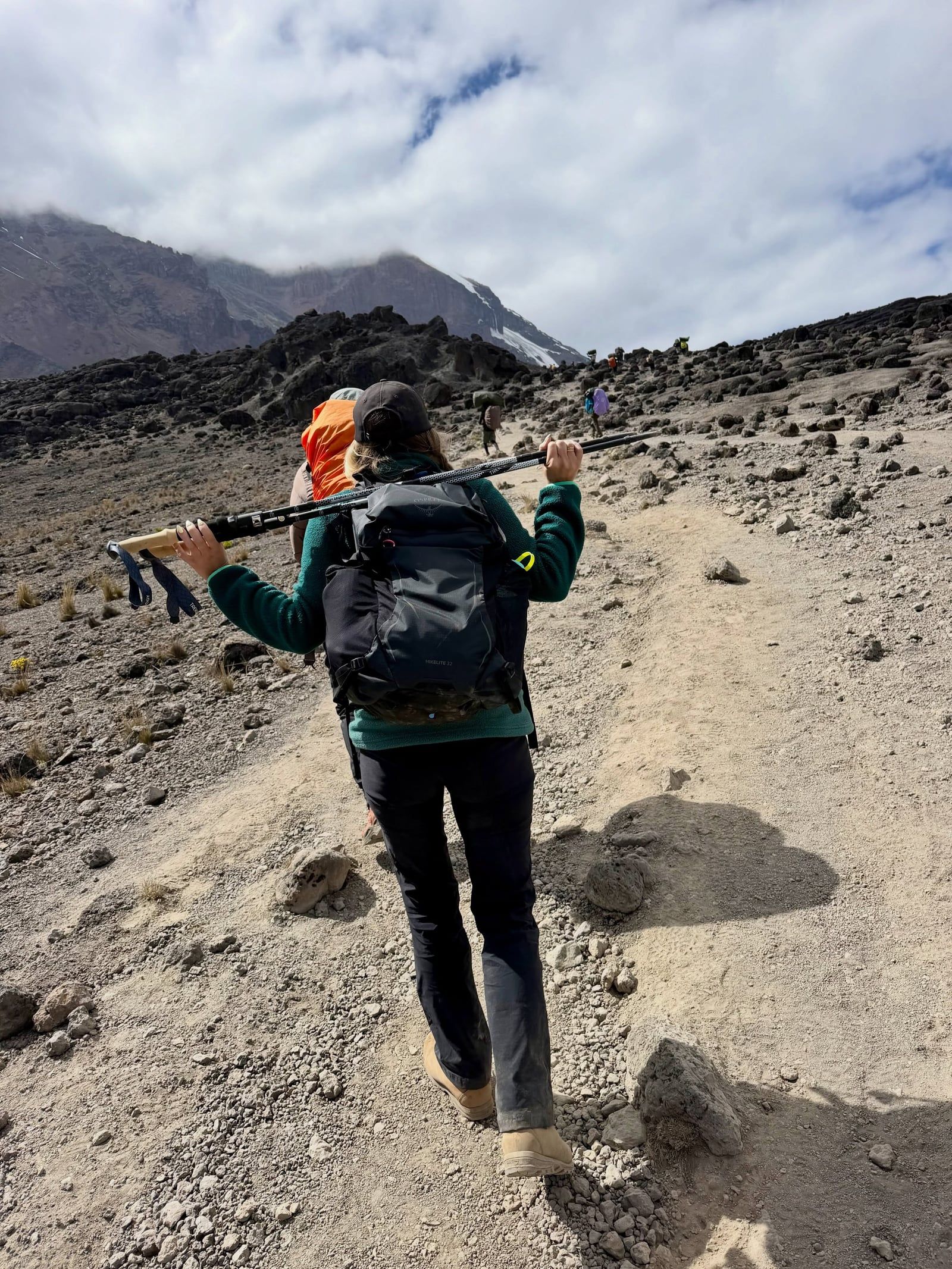
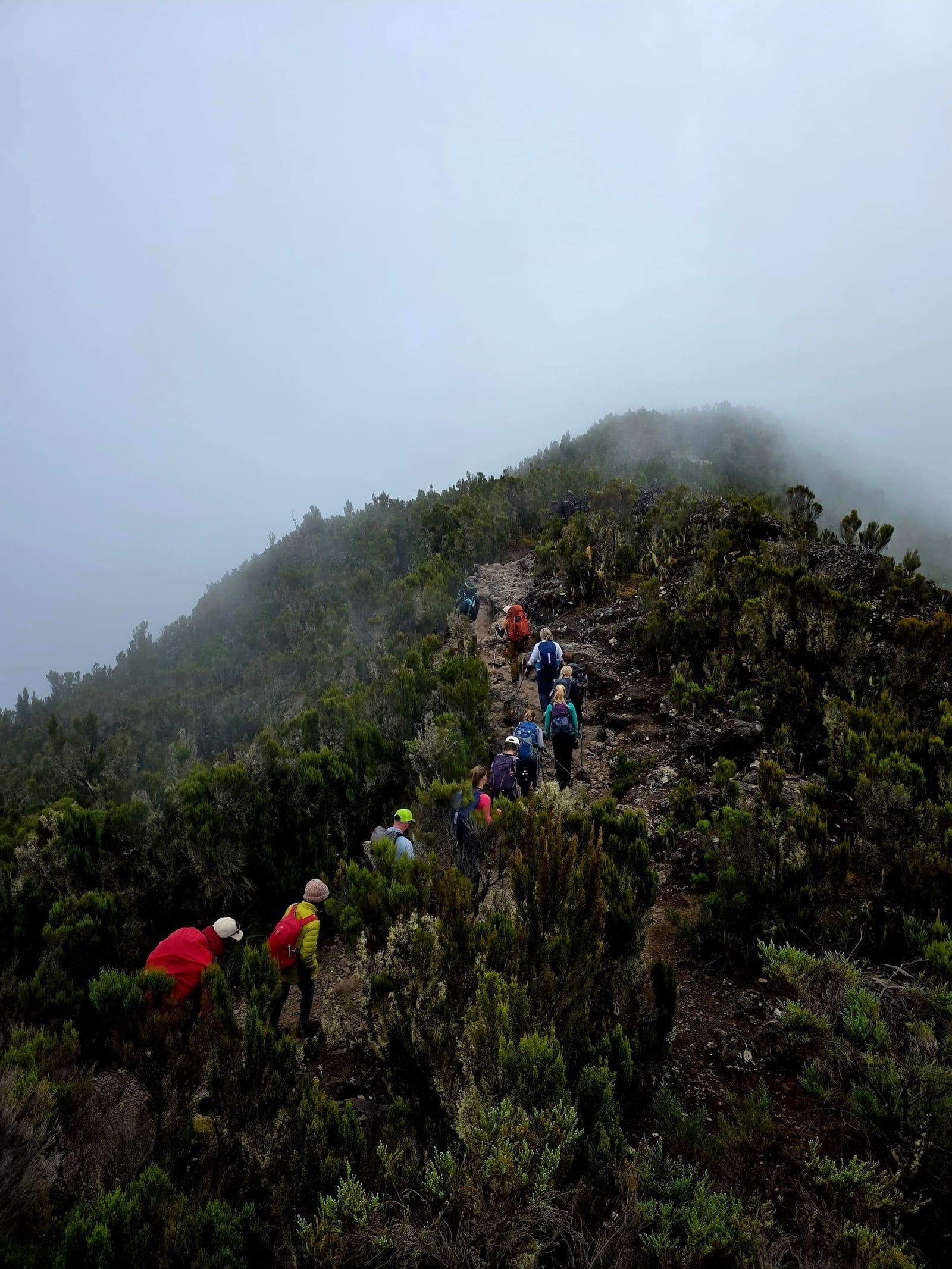
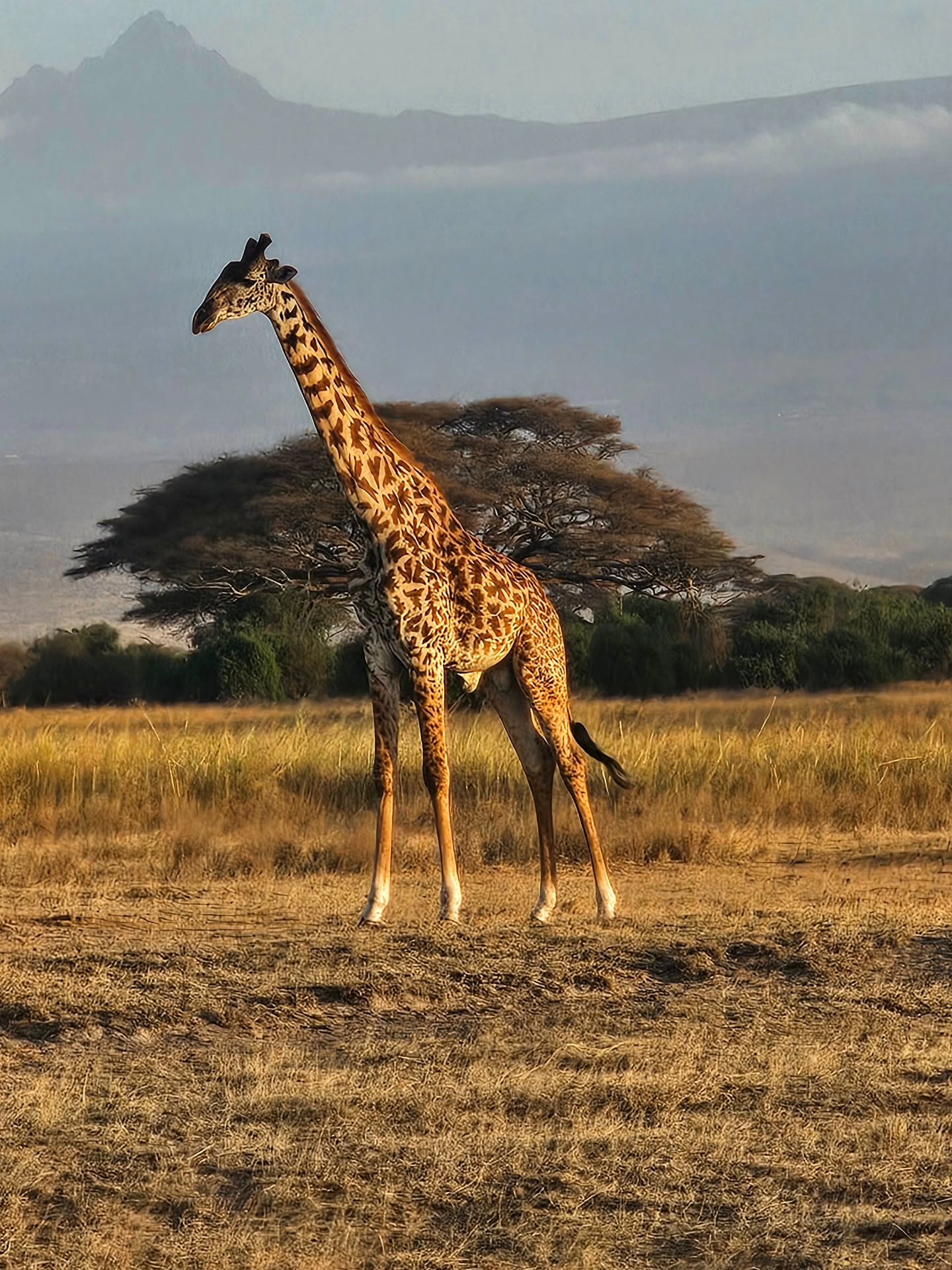
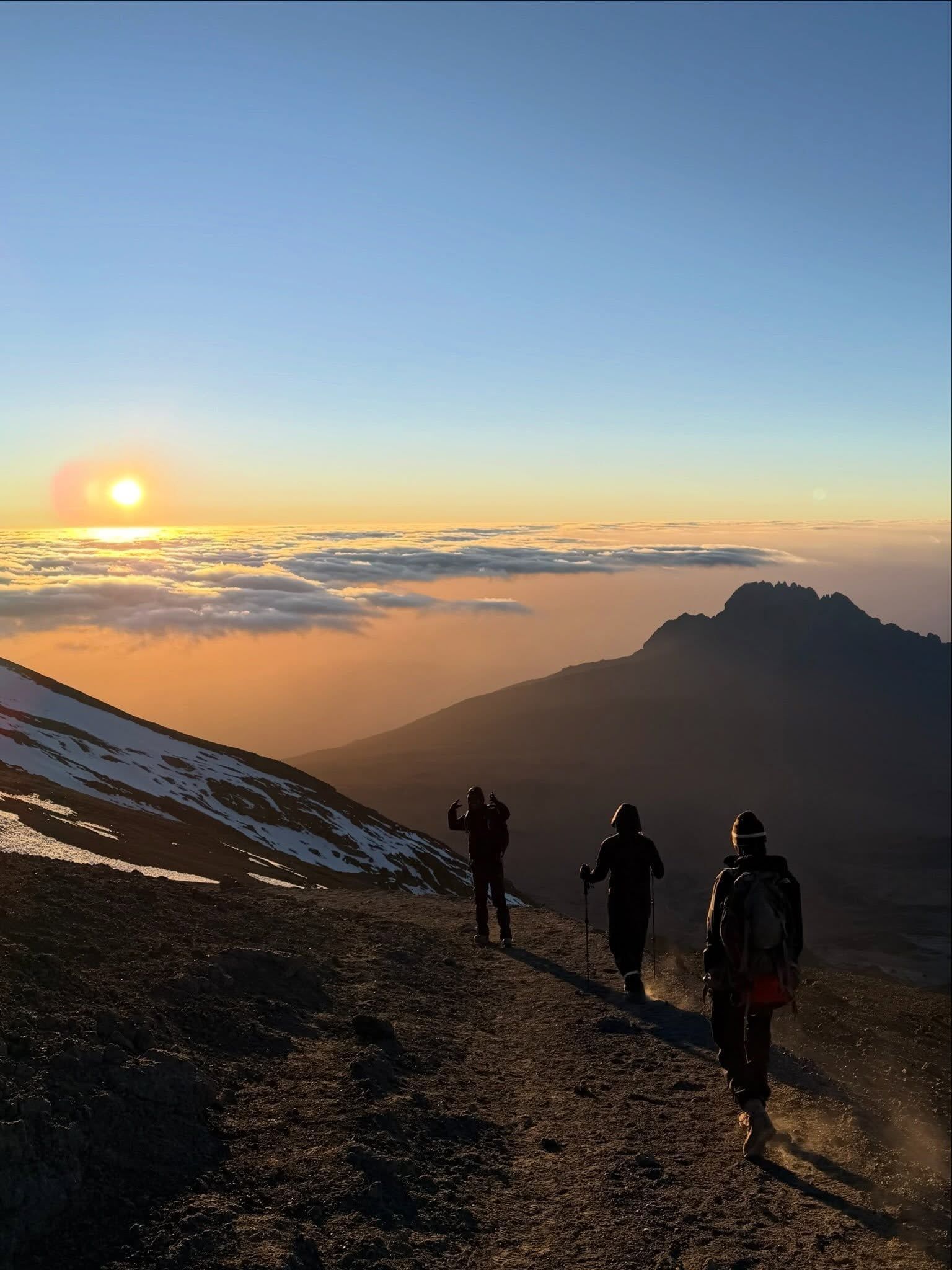
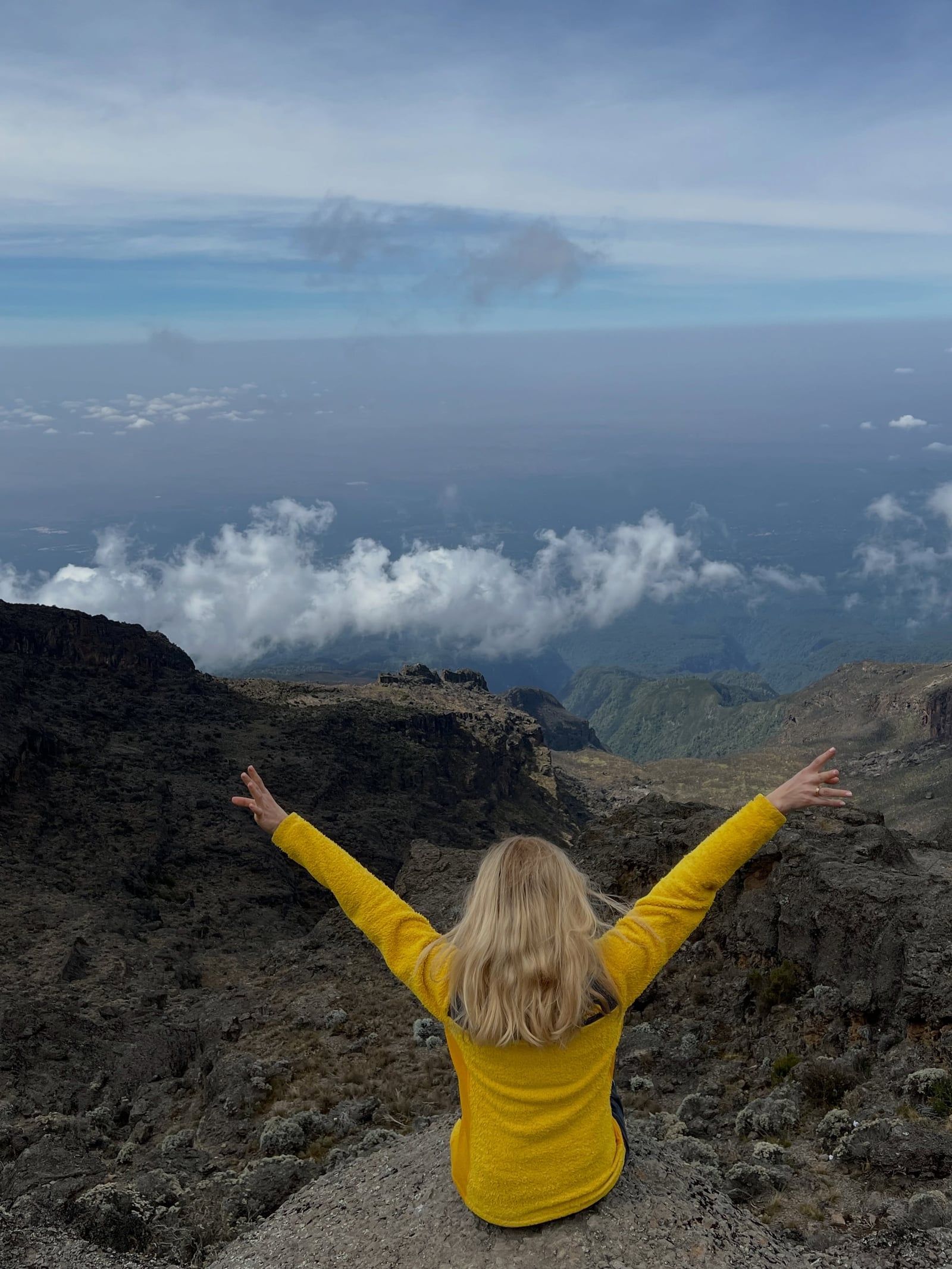
Climbing Mount Kilimanjaro takes five to ten days on foot to reach 5,895 meters. You walk through five distinct climate zones, starting in humid rainforest and ending on an arctic glacier. The air loses half its oxygen by the time you hit the crater rim. Success depends entirely on how well your body handles the altitude—book a seven-day route to give your lungs a chance.
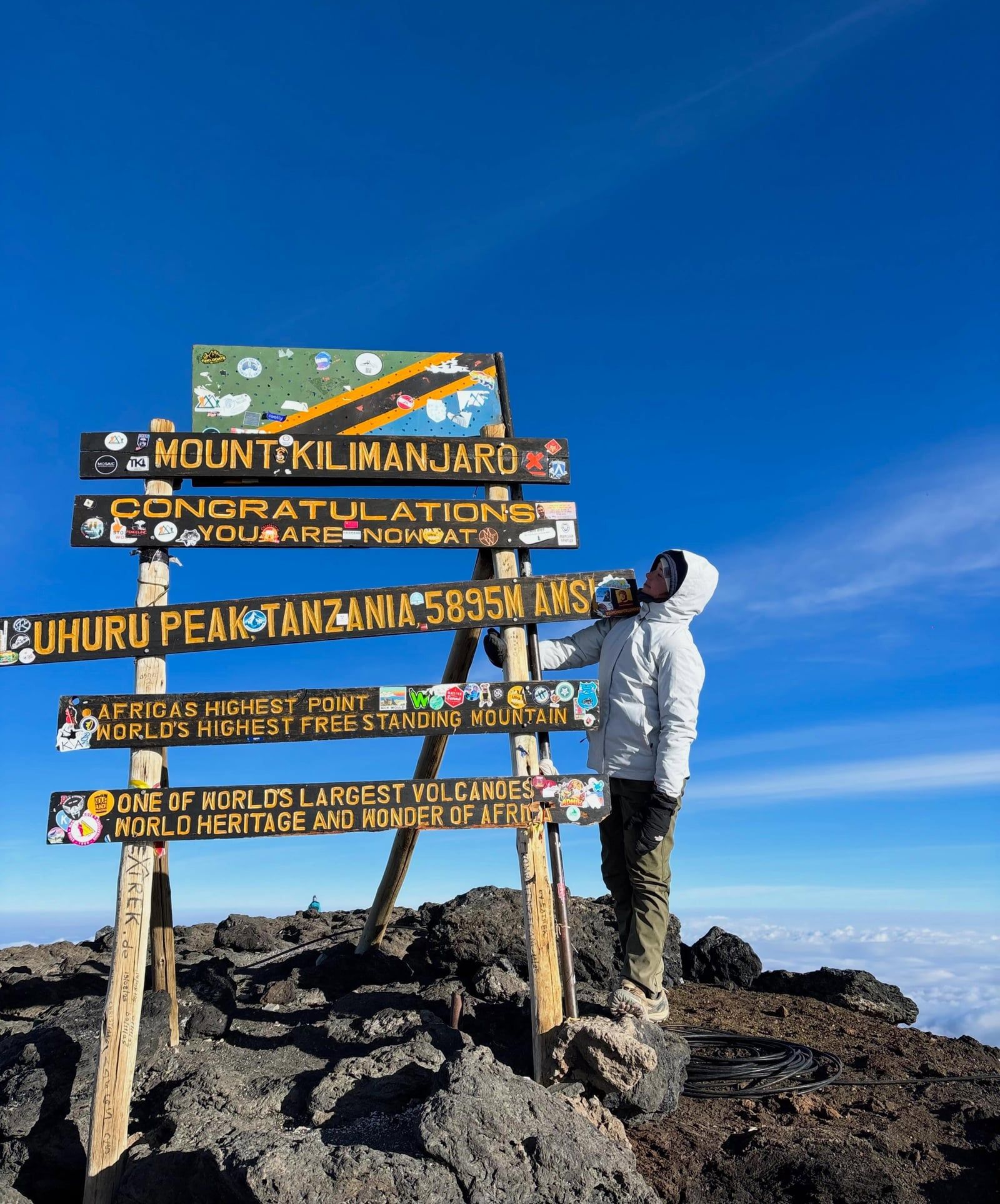
The 5,895-meter summit sits above a sea of clouds. Climbers arrive at dawn after a midnight push from high camp to see the curvature of the earth's shadow.
This 260-meter near-vertical rock face requires hand-over-hand scrambling on the Machame and Lemosho routes. It takes about two hours to clear and requires no ropes.
The lower slopes between 1,800 and 2,800 meters feature a dense canopy dripping with old man's beard moss. Black-and-white colobus monkeys move through the branches above the trail.
A vast volcanic caldera floor at 3,800 meters on the western routes. You walk across wide-open moorland with direct views of Kibo's summit cone.
The only permanent accommodation on the mountain. Hikers sleep in solar-lit wooden dormitories with sponge mattresses instead of pitching tents on the ground.
The official arrival at the crater rim for trekkers on the Marangu and Rongai routes. From this 5,681-meter marker, it takes another two hours to reach Uhuru Peak.
Tanzanian law requires all trekkers to hire a licensed operator. You cannot hike this mountain alone.
Independent climbing is illegal on Kilimanjaro. You must book through a TANAPA-licensed tour operator who provides certified guides, cooks, and porters for the duration of the trek.
Treks range from five to ten days. Operators strongly recommend seven to eight days (like Lemosho or Machame) to allow your body to adjust to the altitude. The five-day Marangu route has a summit success rate below 45 percent.
National park fees account for roughly $900 to $1,200 of your total tour cost. This covers a $70 daily conservation fee, a $50 nightly camping fee, and a $20 rescue charge. Tour operators pay this directly to the park.
The Marangu route uses A-frame wooden dormitories with bunk beds. Every other path is a strict camping route where porters pitch sleeping and dining tents at each site.
Porters are legally restricted to carrying a maximum of 20 kg per person. Park rangers weigh every bag at the entry gates. You must keep your duffel bag under 15 kg so porters have weight allowance for their own gear.
The park authority enforces a strict minimum age of 10 years old at all gates. Children under 16 need written parental consent. There is no official upper age limit.
You need comprehensive travel insurance that explicitly covers high-altitude trekking up to 6,000 meters and helicopter evacuation. Standard travel policies usually cap out at 4,000 meters.
Secure your spot three to six months in advance for the July-August and January-March dry seasons. The Marangu huts have strict capacity limits of 60 to 120 beds per camp and sell out quickly.
Swipe to see more
| Marangu Route | Machame Route | Lemosho Route | Day Hike (Mandara Hut) | |
|---|---|---|---|---|
| Duration | 5-6 Days | 6-7 Days | 7-8 Days | 9 Hours |
| Accommodation | Wooden dorm huts | Tent camping | Tent camping | None |
| Acclimatization Profile | Poor (fast ascent) | Good (climb high, sleep low) | Excellent (gradual start) | N/A (stays below 2,800m) |
| Price from | $740 | $1,920 | $2,124 | $259 |
Swipe to see more
Kilimanjaro National Park gates open daily from 6:00 AM to 6:30 PM. Tour operators typically schedule gate check-ins between 7:00 AM and 10:00 AM.
This morning window gives crews time to weigh porter bags, clear permits, and log the group before starting the day's hike. Nobody enters the park after dark unless they are a registered climber already on the trail.
Kilimanjaro International Airport (JRO) sits in the open countryside between Moshi and Arusha. Private taxis charge about $50 for the 45-minute drive to Moshi, the main staging town for treks.
Tour operators handle the final drive to the park gates. Marangu and Machame gates take 45 to 60 minutes from Moshi on paved roads. Lemosho and Londorossi gates require a three to four-hour drive on rough 4x4 tracks.
January to early March and June to October provide the clearest skies and highest summit success rates. July and August have minimal rainfall but bring the lowest temperatures at the summit.
April and May bring the long rains. Trails turn to deep mud, visibility drops, and success rates plummet to 20 percent. Skip the first week of November when unpredictable short rains arrive.
The mountain is a multi-day trek over uneven volcanic rock. Climbers using specialized all-terrain wheelchairs have reached the summit via the Marangu Route.
This requires a large support team to lift and wheel the chair over rough sections. Wheelchair users avoid technical sections like the Barranco Wall entirely. Contact a specialized adaptive climbing operator well in advance.
Marangu is the only route with wooden A-frame huts. Mandara and Kibo huts sleep 60 people in bunk beds, while Horombo sleeps 120. Lower camps have solar lighting and indoor bathrooms with running water.
All other routes rely on tent camping. Operators provide sleeping tents, mess tents with folding chairs, and portable chemical toilets. There are no showers on the mountain.
The Tanzania National Parks Authority (TANAPA) enforces a strict 20 kg weight limit for porter loads. Rangers weigh every bag at the gate.
Park fees alone for a seven-day trek total around $900 to $1,200 per climber. Total trip costs including guides, porters, food, and gear from a reputable operator usually range from $2,000 to $4,000 depending on the route length.
Yes. TANAPA requires all climbers to book through a licensed Tanzanian tour operator. Independent or unguided climbing is strictly prohibited.
Treks range from five to ten days. Most climbers choose six to eight-day itineraries, which allow better acclimatization and drastically improve summit success rates.
Success rates vary by route duration. Longer routes of seven to nine days generally reach 85 percent or higher. Short five-day routes can have success rates as low as 27 percent due to altitude sickness.
The official minimum age is 10 years old, enforced at all park entry gates. Climbers under 16 need written parental consent.
The dry seasons from January to early March and June to October offer the most stable weather. July and August provide peak visibility with almost no rain.
Uhuru Peak stands at 5,895 meters (19,341 feet) above sea level. It is the highest point in Africa and the tallest freestanding mountain in the world.
No. It is a walk-up mountain that requires no ropes, crampons, or climbing experience. Only the Barranco Wall section involves hand-over-hand rock scrambling.
Fees include a $70 daily conservation fee, a $50 nightly camping fee (or $60 for huts), and a one-time $20 rescue fee. The tour operator collects these and pays TANAPA directly.
Over 75 percent of trekkers experience mild symptoms like headaches and nausea. Guides check oxygen levels daily and will force a descent if severe symptoms appear.
Browse verified tours with free cancellation and instant confirmation.
Find Tours


Porters carry all equipment and a cook prepares all food on this camping-only trek. You'll sleep in tents that the crew pitches for you. Don't expect the permanent huts found on the Marangu Route. Meals are served in a dining tent or on a blanket on the ground. Hikers call it the Whiskey Route. This trail is harder than the Marangu, but better views are the trade-off for the steeper climb. You'll have to scramble up the Barranco Wall using your hands. From the Shira camp, you'll see Kibo's glaciers and watch the sunset. It's dusty. The nights are freezing. Bring a warm sleeping bag. If you hate sleeping on the ground, don't book this one.
For a full refund, cancel at least 24 hours before the scheduled departure time.
English, French, Spanish


Every lead guide has at least eight years of experience on the mountain. They've reached the summit more than 100 times and are certified Wilderness First Responders. You'll have your pulse and oxygen levels checked daily to monitor for altitude sickness. Each group carries medical oxygen. They'll call the descent if your vitals drop. It's a tough call, but it's the right one. Cooks prepare fresh meals at every camp rather than serving dehydrated rations. You'll need the calories. Guides point out the mountain's specific plants and wildlife during the climb. The final ascent to Uhuru Peak is a cold, steep slog. Pack extra batteries for your headlamp. Sub-zero air at the top drains them fast.
For a full refund, cancel at least 24 hours before the scheduled departure time.
English


Zara Tours leads treks on the Marangu Route, the shortest path to Kilimanjaro’s summit and the only one with permanent huts. You'll find solar power, bunk beds, sponge mattresses, and pillows at every camp. The first two stops have running water and indoor bathrooms, but the final camp at Kibo relies on basic latrines. It's known as the 'Coca-Cola' route because you can buy soda and beer at the huts. Bring small Tanzanian Shilling notes for these; prices climb along with the altitude. Most groups finish the trek in five days. Book the six-day version if you're worried about altitude sickness. Spend that extra day resting at Horombo or hiking toward the base of Mawenzi peak to help your body adjust. You'll eat in communal dining halls alongside climbers from other groups. It’s loud and busy. Pick the Machame or Lemosho routes if you want a private tent or a quiet trail.
For a full refund, cancel at least 24 hours before the scheduled departure time.
German, English, French, Spanish


The hike to Mandara Hut begins with a drive from Arusha or Moshi in a private car or a Toyota Hiace van. The trail climbs through the montane forest, where you can spot black-and-white colobus monkeys and endemic flowers in the canopy. It's a steady uphill walk. While the goal is to reach the hut, the final turnaround time depends on your pace and the weather. Don't expect a summit view—this trip is about the forest. Lunch is a picnic at the hut served with bottled mineral water. The guides are trained naturalists who follow park safety protocols and receive fair wages. If you're coming from Arusha, the round-trip drive adds four hours to the day. Pack a waterproof shell even if the sky looks clear at the gate because the forest creates its own microclimate.
For a full refund, cancel at least 24 hours before the scheduled departure time.
English, French, Spanish


This 5-day trek follows the Marangu route from the park gate to Uhuru Peak and back. The trip starts with a morning pickup from your hotel in Moshi. Guides lead the group throughout the ascent. Marangu is the only route on Kilimanjaro that uses permanent A-frame huts for sleeping instead of tents. It's the fastest way up. That's a risk because the quick ascent often triggers altitude sickness. Four climate zones span the trail from the Marangu Gate rainforest to the arctic summit. You'll start the final push from Kibo Hut at midnight. Reaching the 5,895m peak by sunrise requires a 1,000-meter vertical gain in the dark. It's a slog. The descent follows the same path back to the gate for the drive to Moshi. Pack extra thermal layers even for the lower sections; the huts get drafty once the sun goes down.
For a full refund, cancel at least 24 hours before the scheduled departure time.
English


Local guides with mountain rescue training lead every trek. They've logged thousands of summits on Kilimanjaro. You'll get daily health checks to monitor for altitude sickness, and every group carries rescue oxygen. If someone can't continue, there's a specific evacuation plan for every camp. It's a hard climb. Trust the guides when they tell you to slow down. Sleeping happens in Mountain Hardwear tents. These are waterproof and built for the wind at 5,000 meters. You get a thick foam pad and a sleeping bag included. Foam is better than an inflatable mattress here because the sharp volcanic rock won't pop it. It's tight, but the tents are roomy enough for your gear — though you'll still be living out of a duffel.
For a full refund, cancel at least 24 hours before the scheduled departure time.
Hindi, German, Pashto, Portuguese, Filipino, Croatian, Hungarian, Hakka Chinese, Ukrainian, Urdu, Malayalam, Marathi, Malay, Greek, English, Italian, Burmese, Spanish, Arabic, Vietnamese, Japanese, Persian, Romanian, Dutch, Norwegian, Xiang Chinese, Russian, Finnish, Chinese, Cantonese, Javanese, Bangla, French, Chinese (Taiwan), Wu Chinese, Slovak, Serbian, Swedish, Korean, Kurdish, Tamil, mnp, Gujarati, Czech, Telugu, Punjabi, Thai, Chinese (China), Polish, Hebrew, Danish, Turkish


The six-day Machame route uses a steep climb on Day 3 to trigger early acclimatization. You'll reach higher elevations sooner than on other short paths, forcing your body to adapt before the final ascent. It's a grueling schedule. This itinerary is for hikers in peak condition who can handle rapid elevation changes. If you haven't trained, the seven-day version is a safer bet. The final 48 hours are the real test. You'll hike from Barranco to Barafu on Day 4, grab about four hours of sleep, and start the summit push at midnight. Expect to spend up to 24 hours walking with minimal rest. The air is thin and the wind at the crater rim is often biting. It's a slog. Most people find the scramble up the Barranco Wall the most technical part, so keep your trekking poles stowed there. Pack lithium batteries for your headlamp. Standard alkaline ones often die in the sub-zero temperatures of the summit night.
For a full refund, cancel at least 24 hours before the scheduled departure time.
German, English, French, Spanish


The Machame Route reaches Kilimanjaro’s 5,895-meter summit in six days. It’s steeper than the Marangu path and requires six to seven hours of hiking most days. You’ll start at 1,800 meters in the rainforest and climb through five distinct climate zones (the changes are abrupt). It’s a slog. But the "climb high, sleep low" profile helps your body adjust to the thin air. Altitude sickness hits most climbers by day three — drink four liters of water daily and take the Diamox if your doctor agrees. You’ll sleep in tents at the 4,600-meter Barafu Camp where temperatures drop well below freezing. On day four, you’ll scramble up the 257-meter Barranco Wall. It looks vertical from a distance, but there's a clear path for your feet. The final midnight ascent to Uhuru Peak is the hardest part because of the slippery scree and brutal wind. Pack waterproof layers for the first day’s mud and heavy gloves for the summit. If you haven't hiked at altitude, this six-day itinerary is aggressive. Consider the seven-day version to increase your success rate. Check your boots are broken in before you land in Tanzania.
For a full refund, cancel at least 24 hours before the scheduled departure time.
German, English, French


This seven-day climb starts on the western side of Kilimanjaro and ends at Uhuru Peak’s 5,895-meter summit. You’ll walk through five distinct climate zones, starting in the rainforest and ending on the glacier-capped peak. The Lemosho Route is longer than others, which helps your body adjust to the thin air. That's why it has a higher success rate than shorter paths. You'll join a small group of other hikers, which splits the cost of the support crew. That’s the one to book. A team of guides, porters, and cooks handles the heavy lifting and camp setup. They provide three meals a day, usually heavy on carbs like pasta and porridge to fuel the climb. Be ready for the cold—summit night temperatures often hit -15°C. The final ascent involves a steep crawl up loose volcanic scree that feels like walking on sand. If you want the best chance of standing on the roof of Africa, book this route. Just don't skimp on your thermal base layers.
For a full refund, cancel at least 24 hours before the scheduled departure time.
English


Marangu is the oldest path on the mountain and the only route where you sleep in permanent dormitory huts rather than tents. Mandara and Kibo Huts house 60 hikers each in bunk beds, while Horombo Hut fits 120. Mattresses and pillows are provided, though you'll still need a sleeping bag. Lower camps have flushing toilets and running water, but Kibo Hut relies on long-drops and buckets. Pack a warm liner for the communal bunk rooms. The trail climbs the southeast face on a direct, gradual slope. Many hikers pick this "Coca-Cola" route because it's the easiest walk up. The speed is the problem. Because the standard itinerary is short, your body has less time to adjust to the altitude. Expect to see the same terrain twice, as the ascent and descent use the identical path. Choose this if you prioritize a real bed over varied scenery.
For a full refund, cancel at least 24 hours before the scheduled departure time.
English