About All ToursHiking ToursClimbing ToursTrekking ToursPrivate ToursAnd Safari ToursNorthern Circuit Tours Directions Hours & Fees Guides
Find Tours 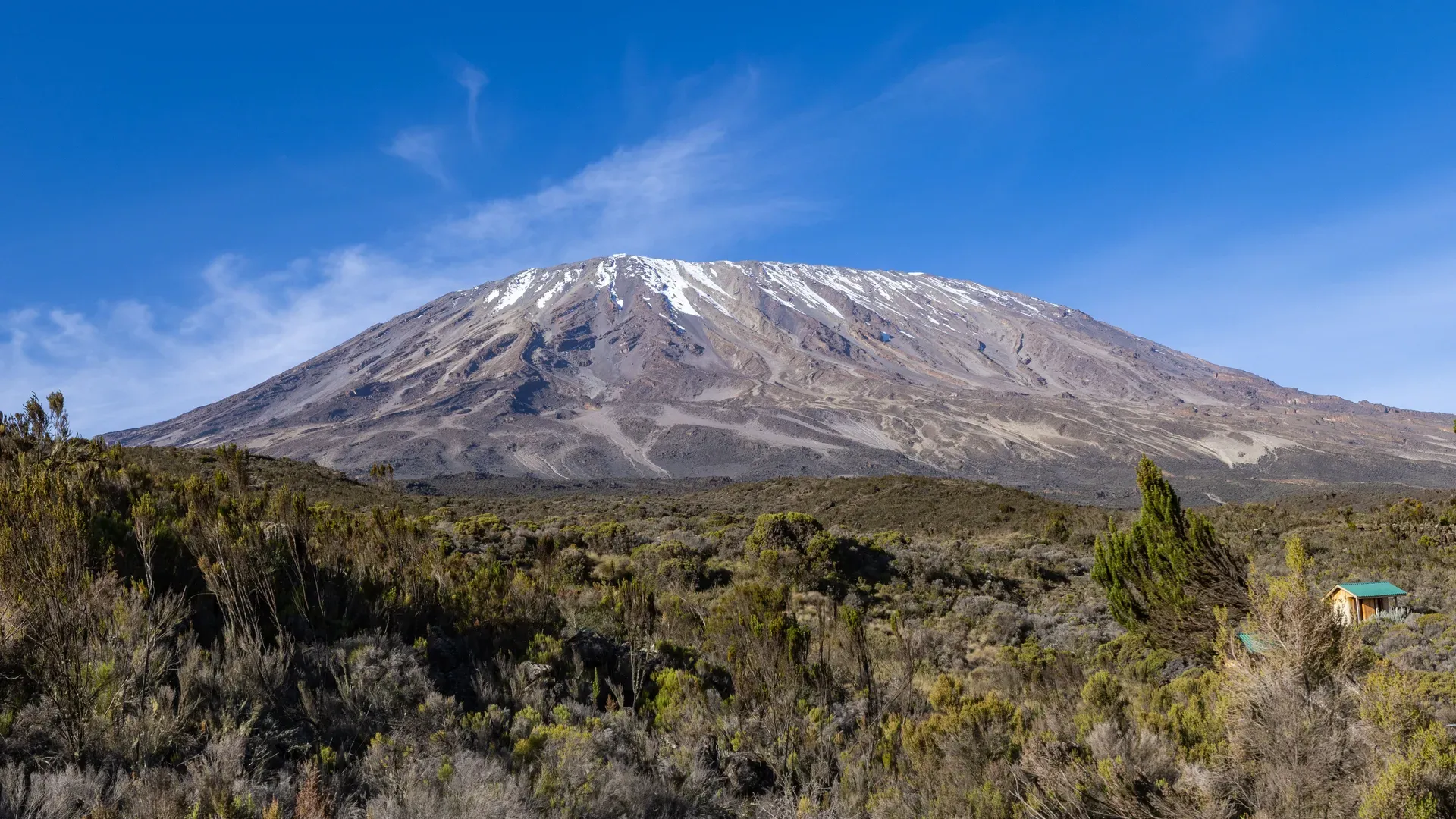
Experience the famous Marangu route with a guided Mount Kilimanjaro hiking tour. Trek through dense rainforests to reach Mandara Hut at 2,700 meters while looking out for native blue monkeys.
 Free Cancellation
 Hike the first leg of Kilimanjaro's Marangu Route through rainforest to spot blue monkeys and colobus.
 Free Cancellation
 Summit Kilimanjaro via the Marangu Route, the only path with solar-powered sleeping huts and shared dining halls.
 Free Cancellation
 Hike the first leg of the Marangu route to Mandara Hut for a day of rainforest trails and colobus monkey sightings.
 Free Cancellation
 Reach Mandara Hut and Maundi Crater on a one-day trek through Kilimanjaro's lower rainforest.
 Free Cancellation
 Hike to Mandara Hut from Moshi or Arusha with naturalist guides to see colobus monkeys and endemic flora.
 Free Cancellation
 Hike the Marangu route to Mandara Hut and back in one day to see Kilimanjaro's rainforest and volcanic scenery.
 Free Cancellation
 Hike to Mandara Hut at 2,700 meters through Kilimanjaro’s rainforest on a day trip from Moshi.
 Free Cancellation
 Hike to Mandara Hut and Maundi Crater on a one-day trek through Kilimanjaro’s rainforest.
 Free Cancellation
 Hike the first leg of the Marangu Route through Kilimanjaro’s rainforest to spot blue monkeys and colobus.
 Free Cancellation
 A full-day wilderness trip with high-altitude overlooks and eight hours of hiking.
Read what travelers share about their experience visiting Mount Kilimanjaro — from practical tips to personal highlights.
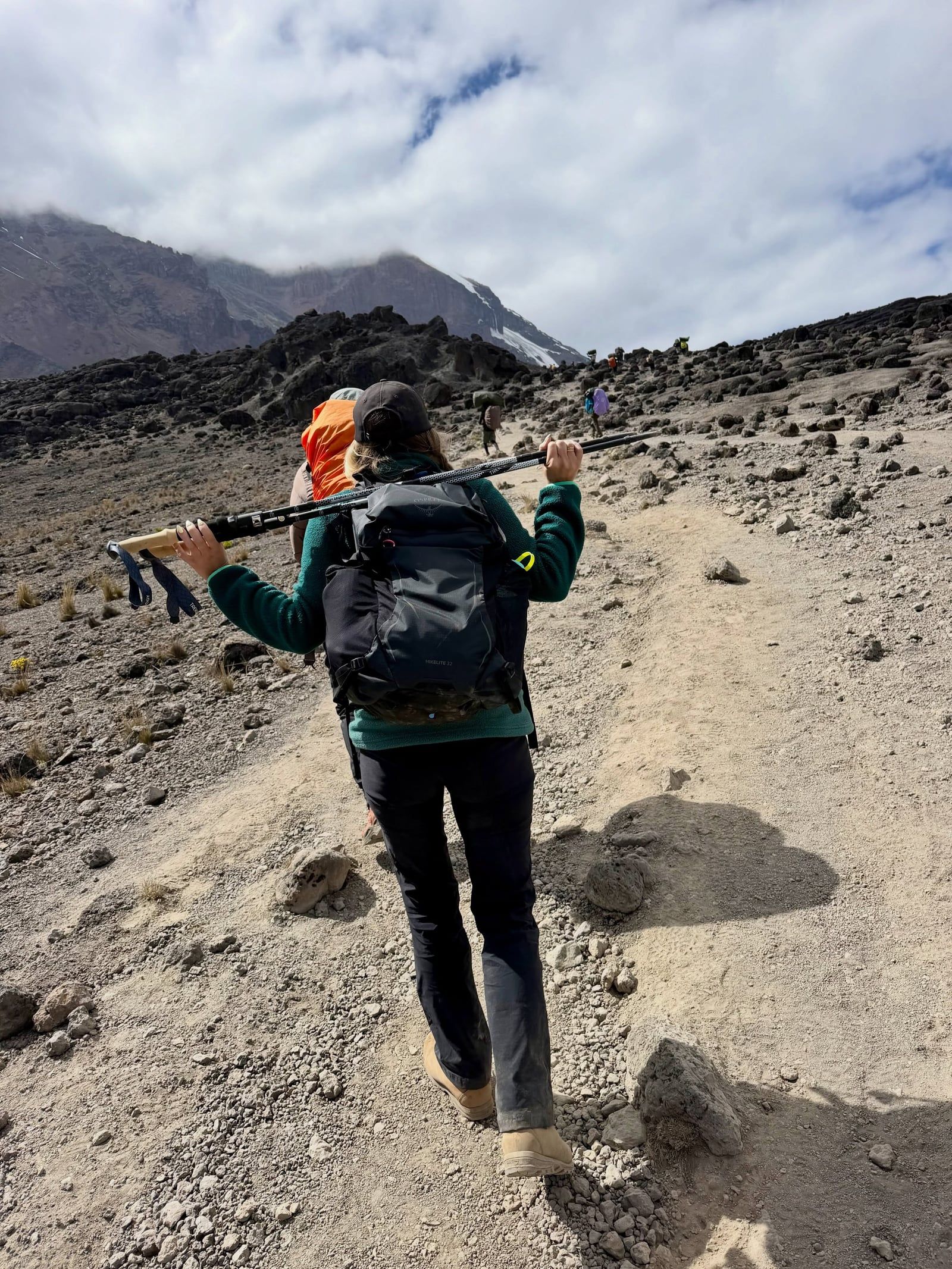
Most tours listed here are day hikes on the Marangu Route, reaching Mandara Hut at 2,720 meters. You walk through dense montane rainforest for about four hours rather than attempting the 5,895-meter summit. Full-scale expeditions take six to eight days and require serious altitude preparation.
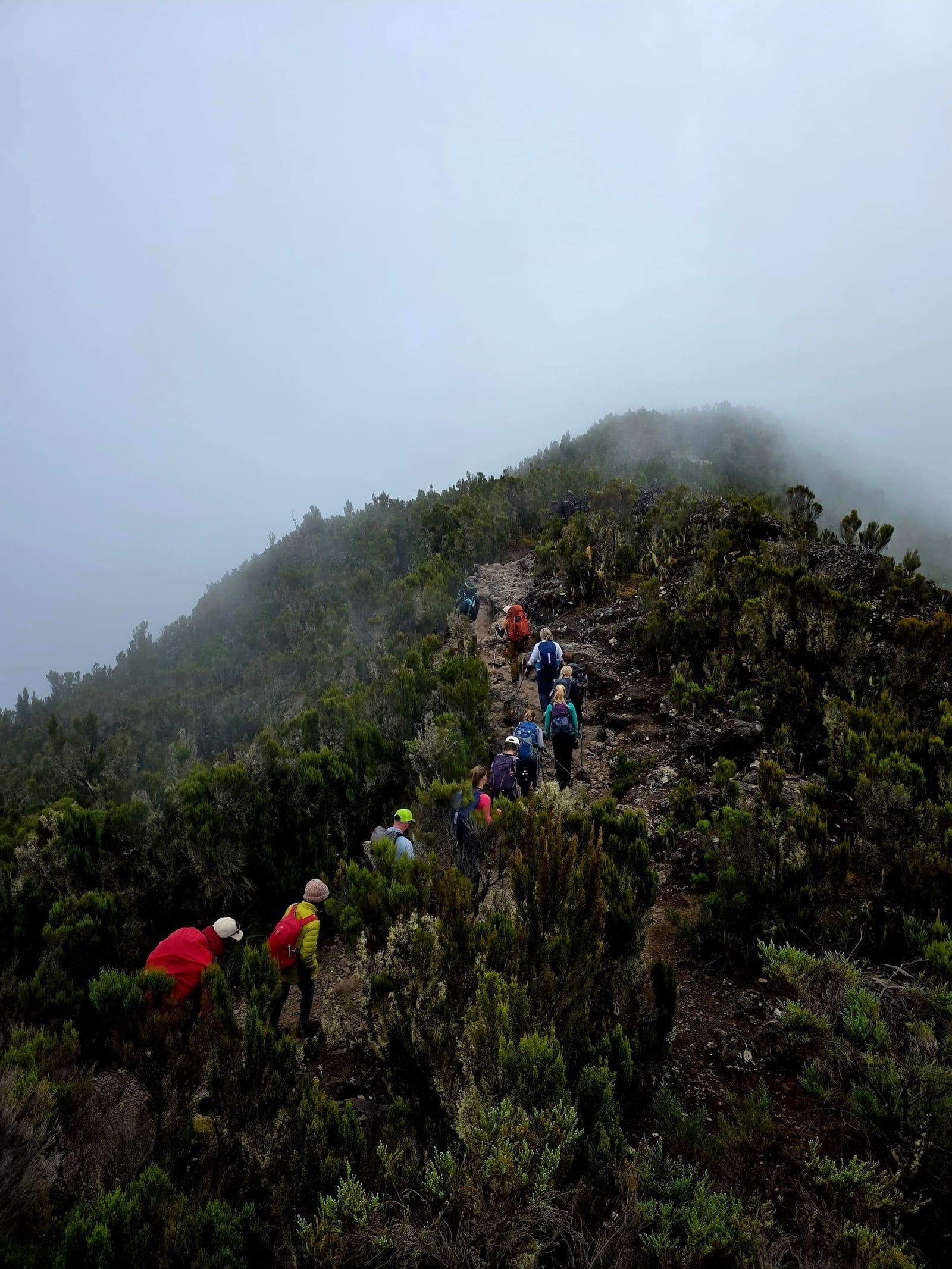
The lower slopes of the Marangu and Machame routes feature dense vegetation dripping with old man's beard moss. Blue monkeys and turacos are common sights here.
This 2,720-meter camp marks the turnaround point for most day hikes. It features solar-lit wooden dormitories and communal dining halls.
Trekkers on the Machame and Lemosho routes scramble up this 260-meter near-vertical rock face. It takes about an hour of hand-over-hand climbing.
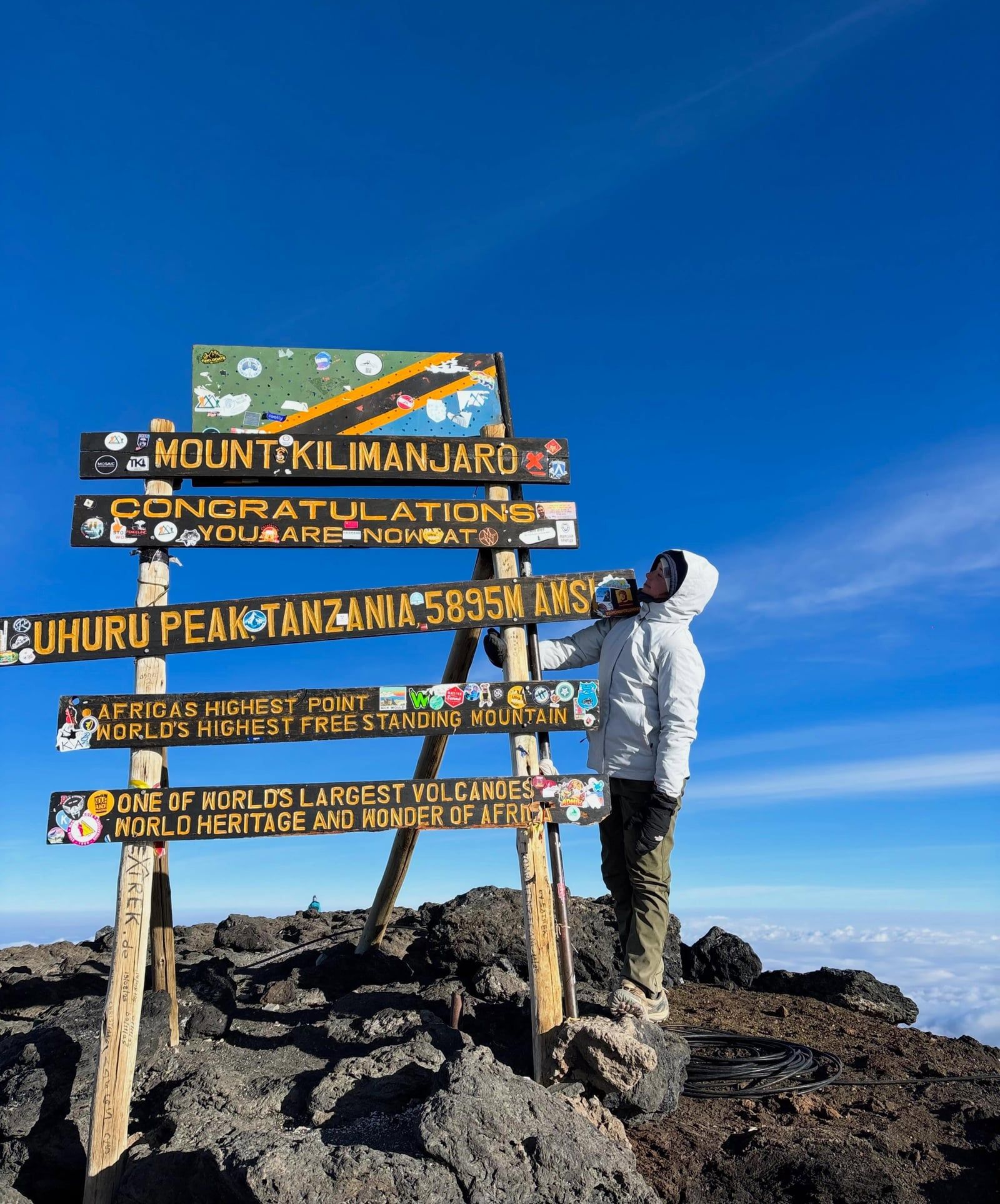
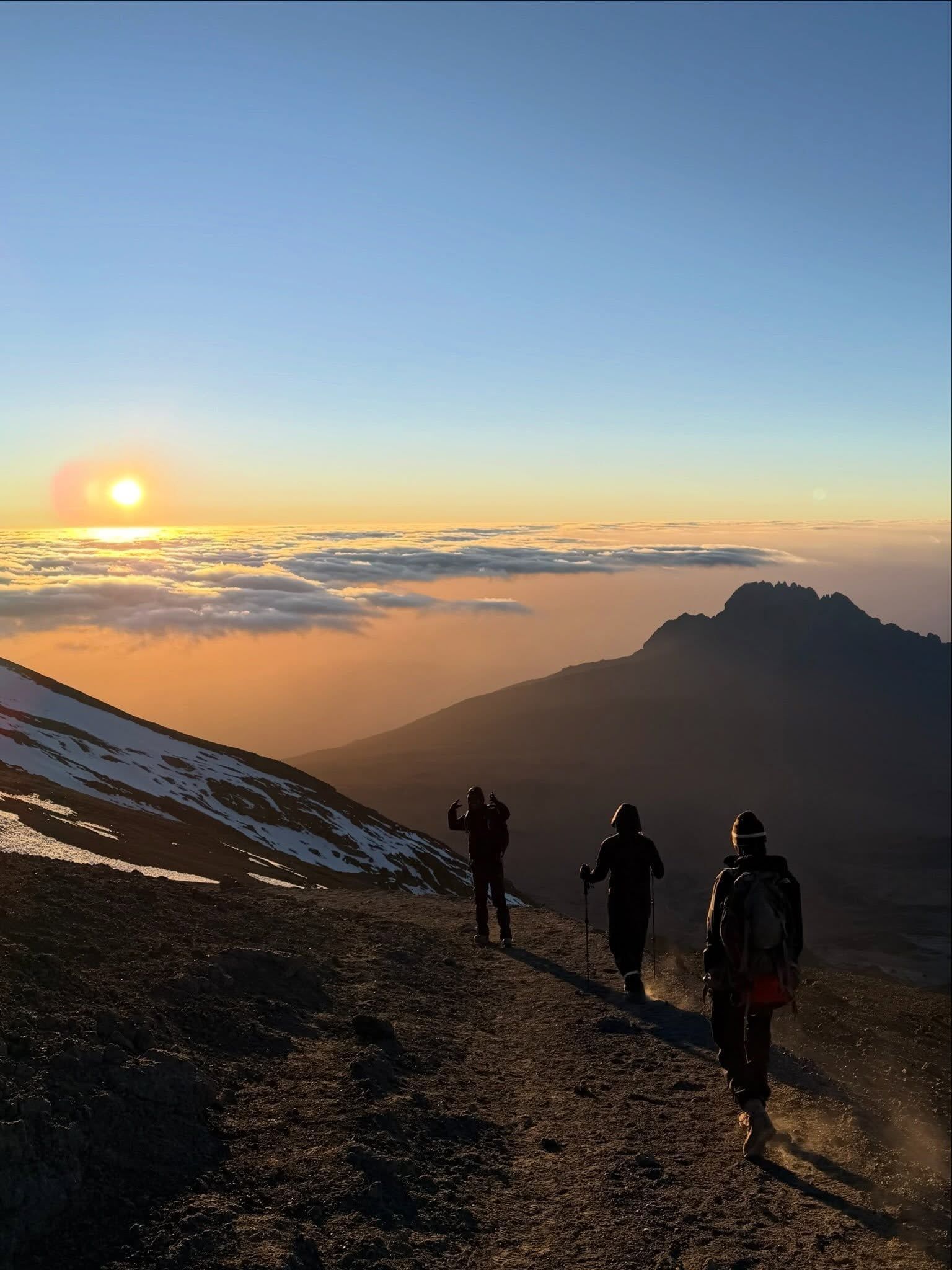
The 5,895-meter summit offers views of the earth's curvature and remnants of the Furtwängler Glacier. Most climbers arrive at dawn after a midnight push.
This high-altitude volcanic caldera sits at 3,800 meters. The wide-open moorland provides clear views toward Kibo's summit cone.
Day hikes and full summit expeditions require completely different preparation and budgets. You need a licensed operator for any time spent on the mountain.
Most single-day options follow the Marangu route to Mandara Hut and back. Full summit attempts require booking a five- to ten-day expedition.
The national park charges foreign visitors a $70 daily conservation fee, plus a $20 rescue fee. Multi-day climbers also pay $50 per night for camping or $60 for huts. Day tour prices usually cover your entry fee.
Independent climbing is illegal on Kilimanjaro. The park authority requires everyone to hike with a registered Tanzanian tour operator and certified guides.
Operators typically include free transfers from hotels in Moshi town. If you stay in Arusha or near Kilimanjaro International Airport (JRO), expect an extra fee and a 90-minute drive.
The day hike covers 8 kilometers of steep terrain and takes roughly four hours up. Full climbs demand high endurance and altitude tolerance, as 75 percent of trekkers experience acute mountain sickness.
Day hikers need a daypack, water, and waterproof layers for sudden rain. Summit trekkers require sub-zero sleeping bags, insulated jackets, and broken-in boots for temperatures dropping to -20°C.
Book your climb for January to early March or June to October. April and May bring heavy rains that turn trails to mud and drop summit success rates below 30 percent.
Swipe to see more
| Marangu Day Hike | Full Marangu Summit Climb | Machame/Lemosho Climb | |
|---|---|---|---|
| Duration | 8-10 hours | 5-6 Days | 7-8 Days |
| Target Audience | Time-crunched hikers | Hut-to-hut trekkers | Acclimatization-focused climbers |
| Max Elevation | 2,720m (Mandara Hut) | 5,895m (Uhuru Peak) | 5,895m (Uhuru Peak) |
| Average Price | $80 - $265 | $2,400+ | $2,500+ |
Swipe to see more
Kilimanjaro National Park gates operate daily from 6:00 AM to 6:00 PM.
Entry outside daylight hours is banned unless you are a registered overnight climber already on the mountain. Operators recommend arriving at the gate between 7:00 AM and 10:00 AM. This gives the crew time to register passports, check permits, and weigh porter loads before the hike begins.
Kilimanjaro International Airport (JRO) is the primary gateway, located in the countryside between Moshi and Arusha. A private taxi to Moshi takes 45 minutes and costs about $50.
Moshi is the main base for trekking operators. From there, driving to the Marangu or Machame gates takes 45 to 60 minutes on paved roads. The Lemosho and Londorossi gates sit on the western side and require a three- to four-hour drive, partly on unpaved 4x4 tracks.
January to early March and June to October are the dry seasons and the safest times to climb. July and August provide the best visibility and minimal rainfall.
Skip April and May entirely. Tanzania's long rainy season turns the trails into mud slogs and drops summit success rates to 20 percent below the annual average. The first week of November also carries a high risk of unpredictable short rains.
The national park enforces a strict minimum age of 10 years old for all climbers. Children under 16 need written parental consent.
The mountain is a multi-day trek over volcanic rock, but wheelchair users have summited. This requires specialized all-terrain wheelchairs, a large support crew, and careful route selection. The Marangu route is the standard choice for adaptive climbs due to its smoother trail and wooden huts.
The Marangu route is the only path with permanent roofed accommodation. Mandara, Horombo, and Kibo huts feature solar-lit wooden dormitories with sponge mattresses and communal dining halls.
All other routes rely entirely on tent camping. Porters carry and set up sleeping tents, mess tents, and portable toilets at each designated campsite. The park gates have official weigh stations to ensure no porter carries more than the legal maximum of 20 kilograms.
You cannot climb Kilimanjaro without a licensed Tanzanian tour operator. Porters and guides must accompany every group.
Park fees for a standard 7-day trek run about $900 to $1,200 per person. This covers the $70 daily entry, camping fees, and rescue charges. The total trip cost with a licensed operator usually falls between $2,000 and $4,000.
Yes. The park authority prohibits independent hiking anywhere on the mountain. You must book through a licensed operator who provides a certified guide, even for a short walk to Mandara Hut.
Expeditions last anywhere from five to ten days. Most climbers choose six- to eight-day itineraries like the Machame or Lemosho routes. Longer treks allow your body to acclimatize to the altitude and drastically improve summit success rates.
The legal minimum age is 10 years old. Park rangers enforce this rule at all entry gates. Children attempting the climb need high fitness levels and cold-weather gear.
Most day hikes listed by tour operators include the $70 daily conservation fee in the upfront price. Always check the inclusions list, as you cannot pay this fee in cash at the gate.
No. The standard routes are non-technical walk-ups requiring no ropes or crampons. The only exception is the Barranco Wall, which involves about an hour of basic hand-over-hand rock scrambling.
Over 75 percent of climbers experience mild acute mountain sickness. Guides carry pulse oximeters to monitor oxygen levels. If severe symptoms develop, the protocol is immediate descent, and a $20 rescue fee paid at booking covers basic evacuation.
Only on the Marangu route. This path uses permanent wooden dormitories with solar lighting and sponge mattresses. Every other route on Kilimanjaro requires sleeping in tents.
Most operators run free pickups from hotels in Moshi, which is 45 minutes from the main gates. If you stay in Arusha, expect to pay an extra transfer fee for the 90-minute drive to Moshi.
No. Drones are strictly prohibited over Uhuru Peak and the glaciers. Flying anywhere in the national park requires expensive dual permits from the park authority and civil aviation officials.
Browse verified tours with free cancellation and instant confirmation.
Find Tours


The Sneak Peek of the Peak Hike is the first section of the Marangu Route on Mount Kilimanjaro. You'll spend the day walking through dense Tanzanian rainforest rather than attempting the summit. Blue monkeys often track hikers from the canopy. Look for the long white tails of colobus monkeys or listen for the bird calls in the branches. The trail stays damp. Wear boots with deep lugs because the exposed roots get slick from the mountain mist. It's the right choice for travelers who want to see Kilimanjaro without the five-day commitment or the risk of altitude sickness. Pack a shell. Even when the park gate is dry, the forest usually isn't.
For a full refund, cancel at least 24 hours before the scheduled departure time.
English


Marangu is the shortest path to the summit and the only Kilimanjaro route where you sleep in huts instead of tents. These communal, solar-powered buildings have bunk beds with sponge mattresses and pillows. You'll have running water and bathrooms at the first two camps. But at the final stop, Kibo Hut, there are only basic latrines. It's the least rugged way to climb. Climbing groups share meals in communal dining halls. Huts sell beer, soda, and bottled water. Prices rise as you get higher. Bring small Tanzanian Shilling notes for these purchases. If the weather turns, the huts stay dry while the tent camps get muddy. The standard trek lasts five days, but adding a sixth day helps you adjust to the thin air. Spend that extra time resting at Horombo or hiking toward the base of Mawenzi peak. Choose the six-day itinerary to avoid altitude sickness.
For a full refund, cancel at least 24 hours before the scheduled departure time.
German, English, French, Spanish


This hike reaches Mandara Hut at 2,720 meters. It's the fastest way to get onto Kilimanjaro without committing to a multi-day expedition. You'll start at Marangu Gate and climb 860 meters through the montane forest zone. The trail is wide and clear. It takes about four hours to reach the top. Colobus monkeys live in the high canopy along this route. You'll recognize them by their long white tails and the crashing sounds they make moving through the trees. Blue monkeys stay lower and closer to the path. The forest is damp. Moss hangs from most branches and the humidity stays high until you reach the clearing at the hut. Bring a waterproof shell. The weather at the gate rarely matches the weather 800 meters up. Eat lunch at the hut's picnic tables. If the clouds break, walk the extra 15 minutes to the rim of Maundi Crater for a view of the Kenyan border. Most people find the descent takes half the time of the climb, but it's hard on the knees. Use trekking poles.
For a full refund, cancel at least 24 hours before the scheduled departure time.
English, French


This eight-kilometer round trip follows the Marangu Route to Mandara Hut. It's the only path on Kilimanjaro with a permanent hut system, though this itinerary focuses on the lower slopes for those not summiting. You'll start at the Marangu Gate at 1,860 meters and climb through thick tropical rainforest. Keep an eye out for black-and-white colobus monkeys in the canopy. They're often easier to hear than see. The trail leads to Mandara Hut at 2,720 meters. From there, a fifteen-minute walk brings you to the rim of Maundi Crater. On clear days, the view extends across the border into Kenya and toward the jagged Mawenzi peak. Clouds often roll in by midday, so views aren't guaranteed. If the weather holds, it's the best vantage point on the lower mountain. Park entrance fees aren't included. You'll pay those at the gate via credit card, as they don't take cash. Bring waterproof boots. The forest floor stays slick and muddy year-round. The full walk takes about five hours. Pack a rain jacket even if the sun is out.
For a full refund, cancel at least 24 hours before the scheduled departure time.
German, English, Italian, French, Spanish


This day trip to Mandara Hut departs from Moshi or Arusha in a private car or a Hiace van. You'll spend about four hours hiking through the montane forest. The trail is steep. Look for black-and-white colobus monkeys in the canopy. It's a long day—expect to be back by dinner. The hike to Mandara Hut takes you through dense forest filled with giant lobelias. Naturalist guides identify these endemic plants as you climb. Mandara Hut sits at 2,700 meters, though reaching it depends on your group's fitness and the weather. If you make it, you'll eat a picnic lunch with mineral water at the wooden huts. The descent is faster but harder on the knees. Bring poles. We pay all guides and porters fair wages and follow every park safety regulation. It's the right way to do it. The forest gets muddy after rain, so check your boots before leaving. Don't expect to see the snowy peak—you're mostly under the tree line.
For a full refund, cancel at least 24 hours before the scheduled departure time.
English, French, Spanish


The one-day trek to Mandara Hut reaches 2,700 meters on the Marangu route. You'll start at the Marangu Gate at 1,860 meters and hike 8 kilometers through the montane rainforest. The ascent takes about four hours. It's the fastest way to see the mountain's lower ecosystem without a full expedition. Expect mud on the trail. Even in the dry season, the forest canopy traps moisture, so wear boots with good grip. Blue monkeys and black-and-white colobus often appear in the trees near the path. This is the right choice for families or travelers with a spare day before a flight. You'll get a real sweat on, but you'll be back at the gate by late afternoon.
For a full refund, cancel at least 24 hours before the scheduled departure time.
English


This hike reaches Mandara Hut at 2,700 meters via the Marangu Route. The path starts at the park gate and climbs through rainforest where blue monkeys and Hartlaub’s turacos are common. The ground is clear and wide. The route ends at the hut. It's the best option for families or travelers who want to see the mountain without a week-long commitment. Expect a one-hour drive from Moshi to the park gate. Your booking covers park fees, a guide, a packed lunch, and hotel pickup. You'll spend about four hours climbing. The descent takes two. Don't forget waterproof boots — the forest floor is often muddy even in the dry season.
For a full refund, cancel at least 24 hours before the scheduled departure time.
English


This day hike climbs to 2,720 meters on Kilimanjaro’s oldest path. You'll spend about three hours walking through the rainforest to reach Mandara Hut, where the trees start thinning into heathland. A local guide leads every group to help spot colobus monkeys and turacos in the canopy. It’s a steady uphill walk. The path is clear. Maundi Crater is a 15-minute walk past the huts. If the sky is clear, you’ll see the jagged peaks of Mawenzi, the Tsavo plains in Kenya, and the North Tanzanian scrubland—but clouds usually move in by midday, so start early. Pay the National Park fees separately at the Marangu gate using a credit card. The gate doesn't take cash. Bring a waterproof jacket and boots with decent tread, as the forest floor stays damp and slippery year-round.
For a full refund, cancel at least 24 hours before the scheduled departure time.
German, English, Chinese (China), Italian, French, Spanish


This day trip follows the first leg of the Marangu Route on Mount Kilimanjaro. You'll hike through thick rainforest on a path that stays under the canopy for most of the trek. It's a steep walk. This is the route to pick if you don't have a week to spare for a full summit attempt. Blue monkeys and black-and-white colobus live in the trees directly over the path. You'll hear them chattering and see birds moving through the dense vines. Look for the long, white tails of the colobus high up. The trail gets muddy after a downpour — check the weather that morning and wear waterproof boots.
For a full refund, cancel at least 24 hours before the scheduled departure time.
English


This day trip reaches the highest overlooks in the region for a clear view of the terrain. Most of the morning is spent on dirt trails and forest paths. The main ascent takes about 45 minutes of steady walking. It’s a workout. If the sky is clear, you can see the entire valley from the top. Expect to be outdoors for roughly eight hours, including several rocky scrambles and narrow ridge walks. Bring a reusable water bottle and a light jacket, as temperatures drop at the higher elevations. If heavy fog rolls in, the views disappear—check the mountain weather report before heading out. It's a long day, so don't plan a late night afterward.
For a full refund, cancel at least 24 hours before the scheduled departure time.
German, English, French, Spanish