About All ToursHiking ToursClimbing ToursTrekking ToursPrivate ToursAnd Safari ToursNorthern Circuit Tours Directions Hours & Fees Guides
Find Tours 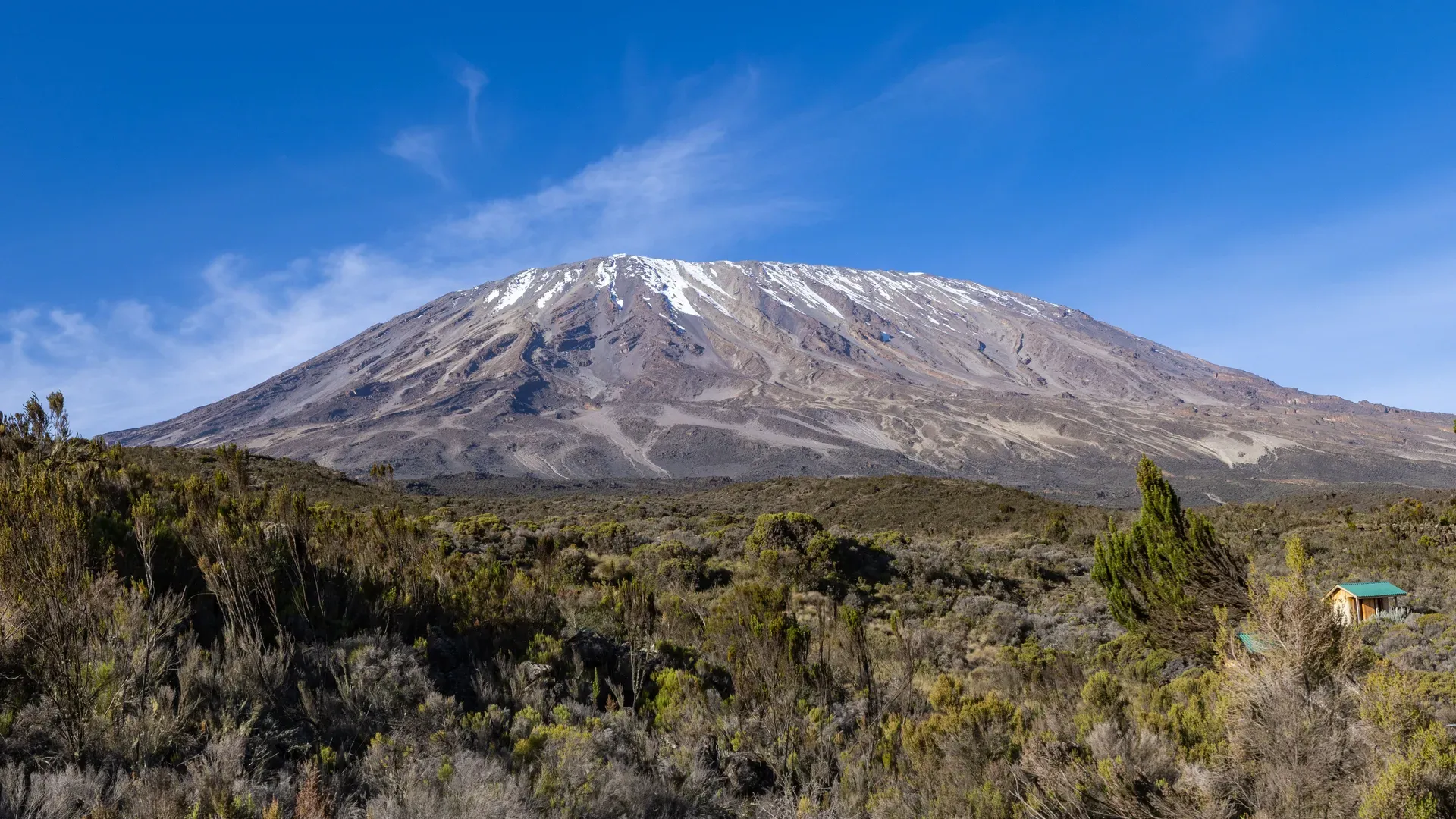
Choose from 1-day rainforest hikes to 8-day summit expeditions on routes like Machame, Marangu, and Lemosho. These Mount Kilimanjaro trekking tours include professional guides, meals, and options for various experience levels.
 Free Cancellation
 Hike to Materuni’s 80-meter falls, roast coffee on a local farm, and swim in the turquoise Kikuletwa Hot Springs.
 Free Cancellation
 Trek the 6-day Machame Route through rainforests and high-altitude towers using a proven acclimatization strategy.

Lemosho offers the highest summit success rate on Kilimanjaro by allowing more time for altitude adjustment.
 Free Cancellation
 This day hike reaches Mandara Hut at 2,720 meters, passing through the Marangu rainforest on Kilimanjaro's lower slopes.
 Free Cancellation
 This 6-day Marangu trek swaps tents for mountain huts on a gradual climb to the 5,895-meter Uhuru Peak.
 Free Cancellation
 Track the Great Migration in the Serengeti before trekking Mount Kilimanjaro or landing on Zanzibar’s beaches.
 Free Cancellation
 Climb through Kilimanjaro’s rainforest to Mandara Hut and Maundi Crater on a one-day Marangu Route trek.
 Free Cancellation
 Trek the Marangu route to hike through the rainforest zone and Maundi Crater in one or two days.
 Free Cancellation
 Sleep in A-frame huts and buy supplies on the trail during this five-day trek up Kilimanjaro’s Marangu route.
Read what travelers share about their experience visiting Mount Kilimanjaro — from practical tips to personal highlights.
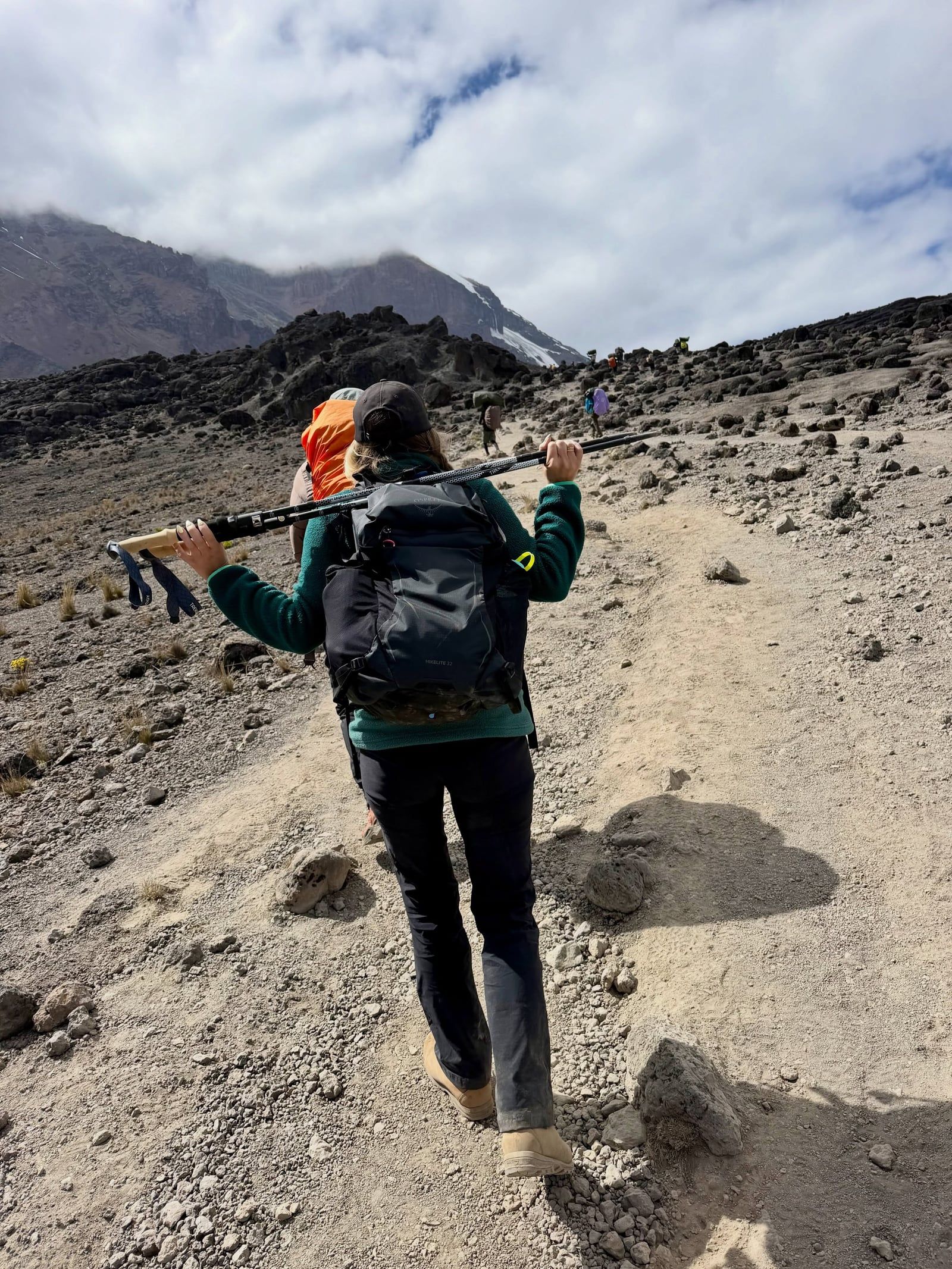
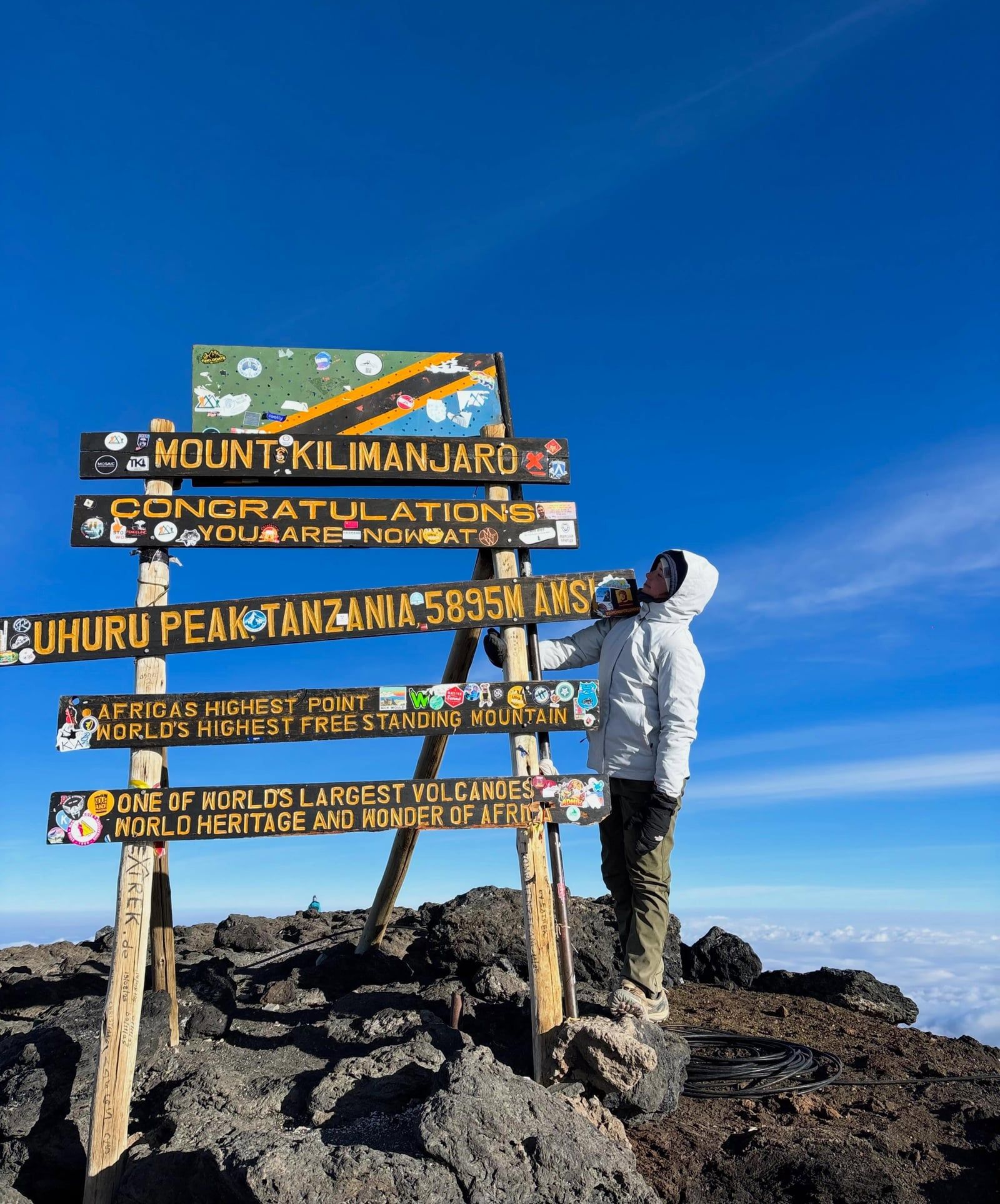
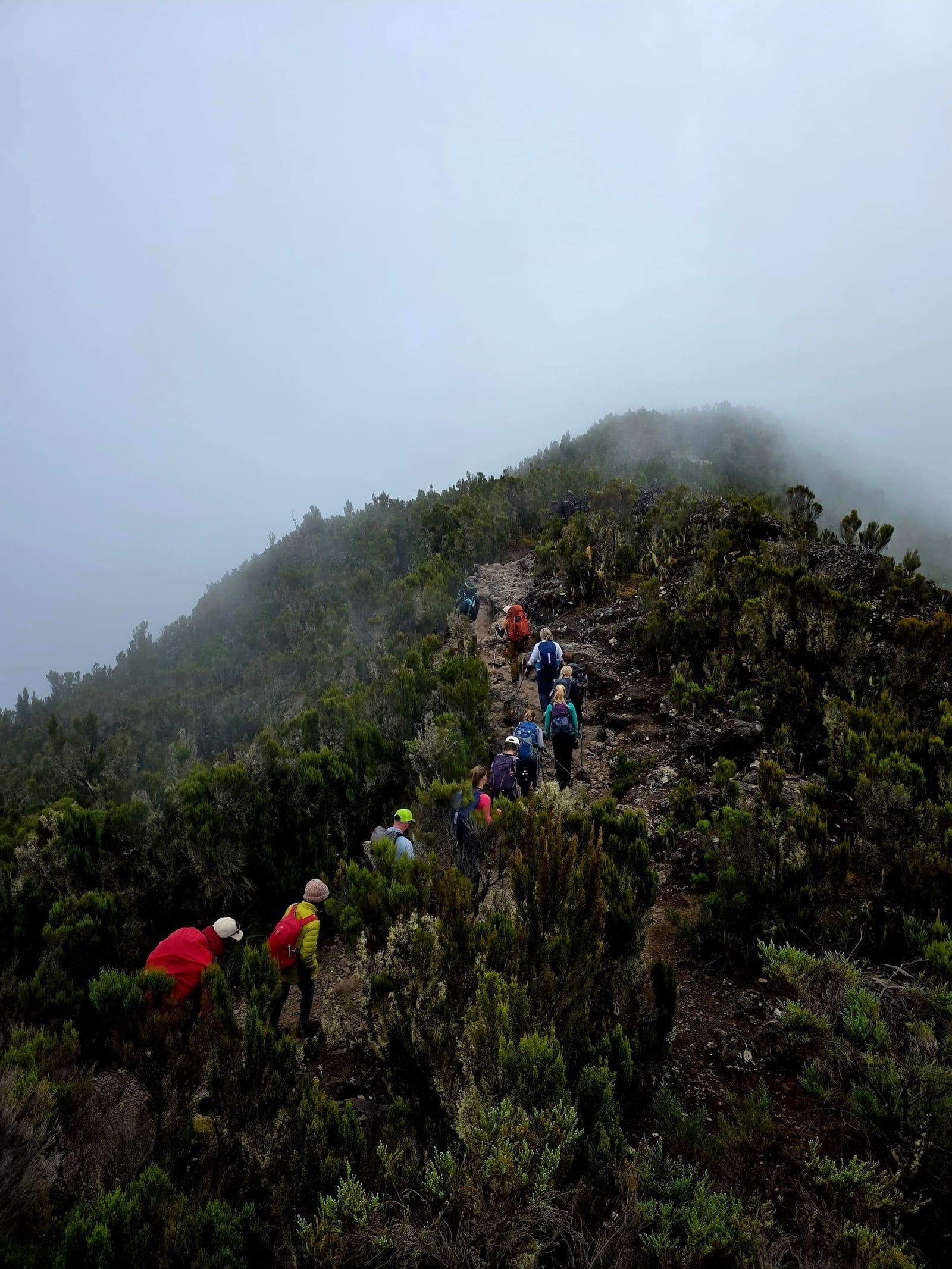
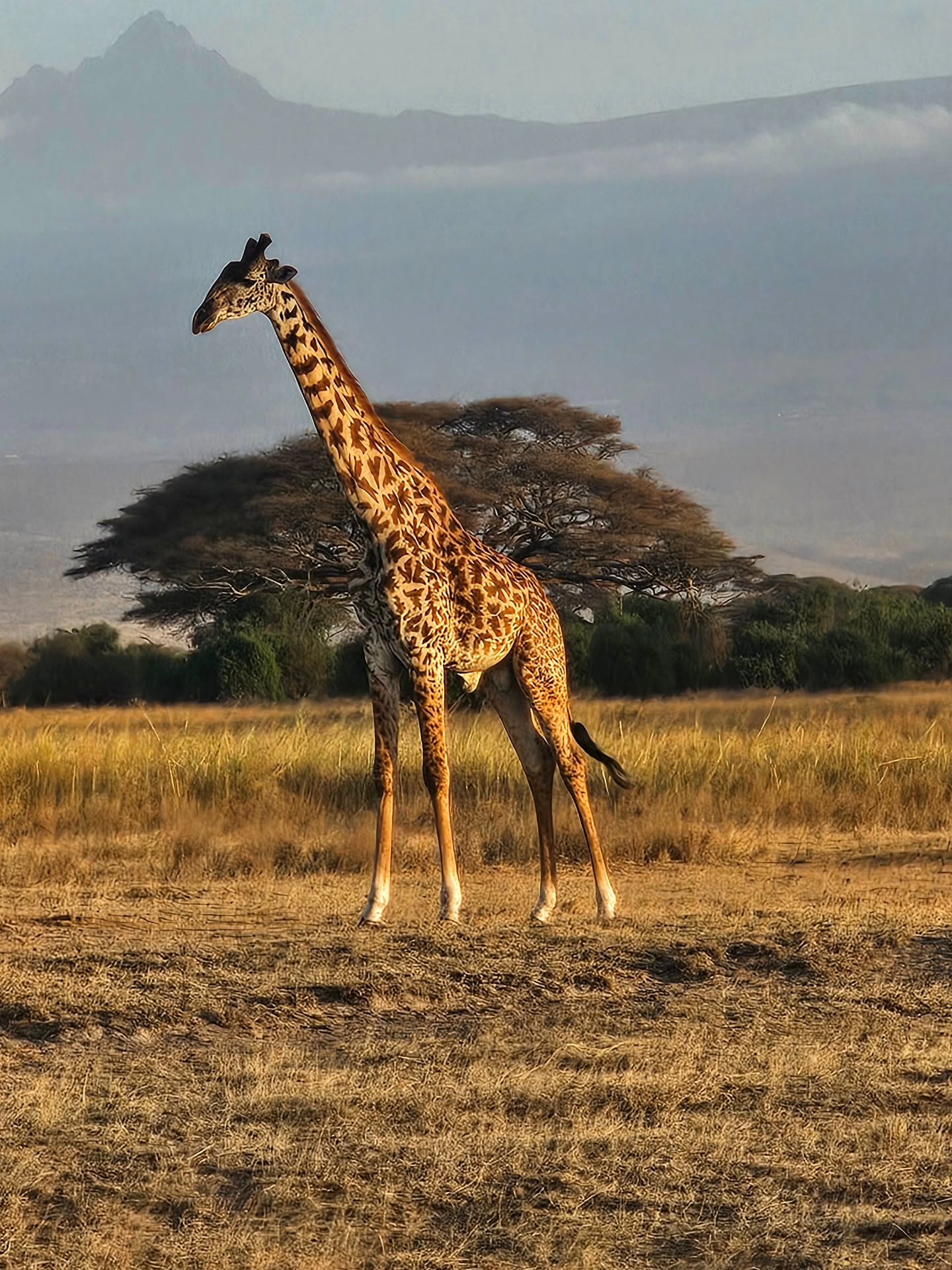
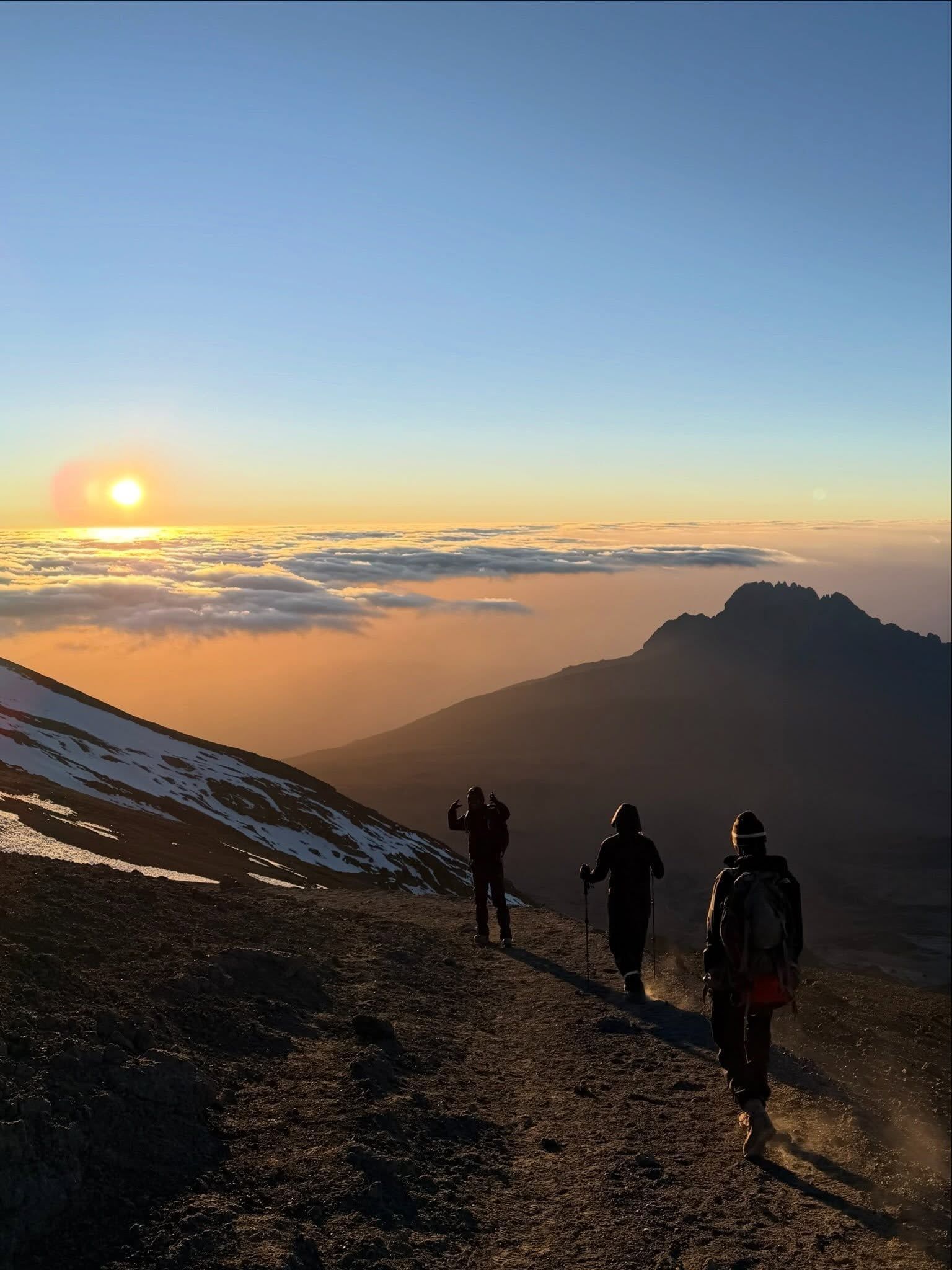
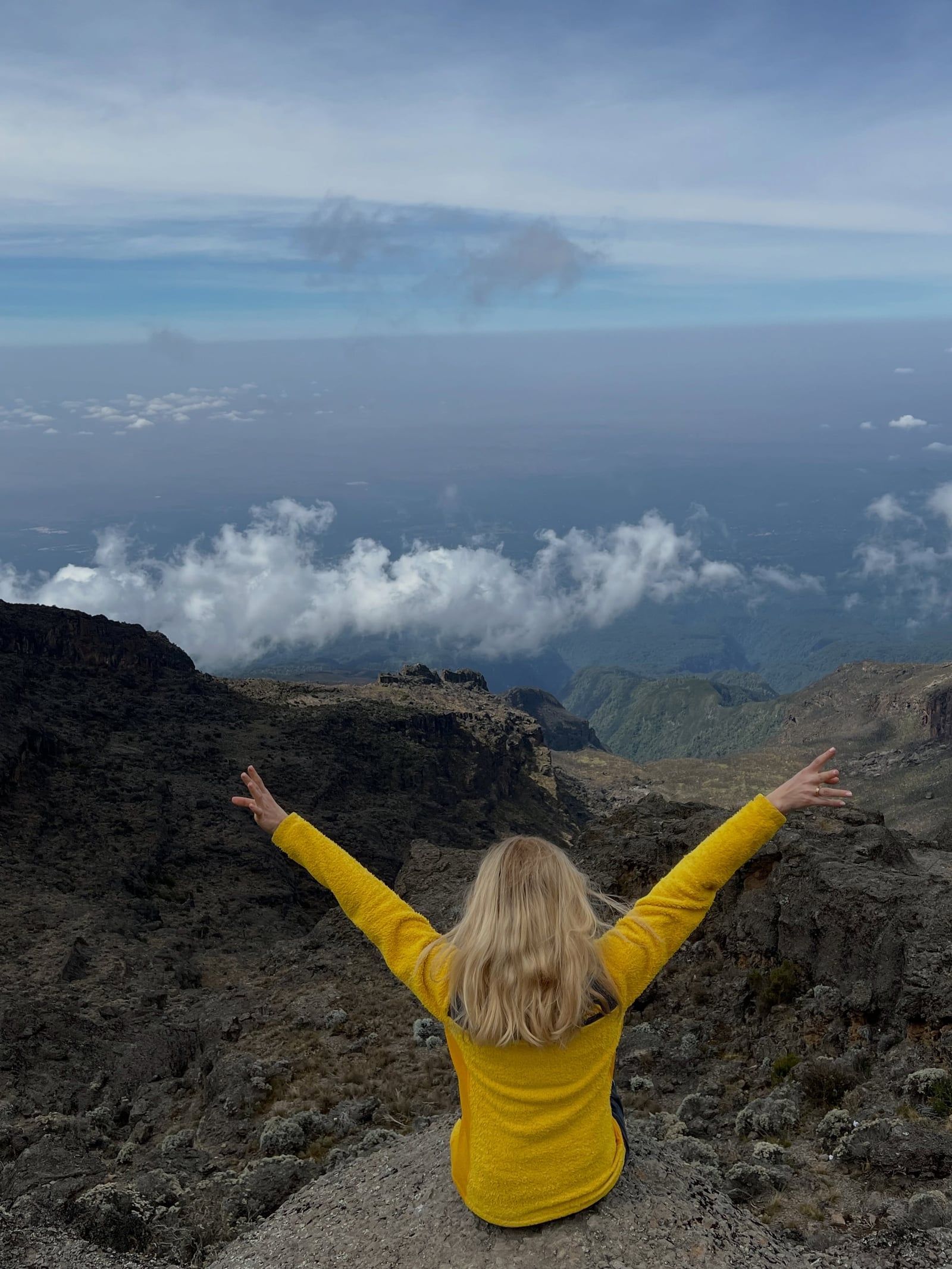
Mount Kilimanjaro is a 5,895-meter dormant stratovolcano requiring multi-day acclimatization treks. You walk through five ecological zones, from dense rainforests at the park gates to arctic conditions at Uhuru Peak. The hike is a non-technical walk-up, but the extreme altitude demands physical endurance and a slow pace.
Reaching the 5,895-meter summit at dawn reveals a sea of clouds and the curvature of the earth. You climb through the night from Barafu or Kibo Camp in sub-zero temperatures to catch this view.
Machame and Lemosho routes feature a 260-meter near-vertical rock scramble. Hikers ascend hand-over-hand for about two hours, requiring no technical gear but testing upper-body endurance.
The lower slopes between 1,800 and 2,800 meters consist of dense montane forest. Blue monkeys and black-and-white colobus move through the canopy above the muddy trails.
This high-altitude volcanic caldera floor sits at 3,800 meters on the western routes. You get wide-open moorland views toward Kibo's summit cone and occasionally spot buffalo tracks.
Mandara and Horombo camps offer solar-lit wooden dormitories with foam mattresses. This is the only path on the mountain with roofed accommodation instead of tents.
Day trips often stop at this 80-meter cascade after a 45-minute hike through coffee plantations. The pool at the base is freezing cold.
You must book your Kilimanjaro trek through a licensed Tanzanian tour operator. Independent climbing is illegal and park rangers enforce this at all gates.
Most climbers book six- to eight-day summit expeditions on routes like Lemosho or Machame. Operators also run 10-hour day hikes to Mandara Hut (2,700m) or Materuni Waterfall for those short on time.
Full treks cost $900 to $1,200 just in park fees, which operators usually bundle into the final price. Day trips run $100 to $580 and cover the $70 daily conservation fee and transport.
Lemosho (eight days) offers the highest summit success rates due to better acclimatization. Marangu is shorter (five to six days) and sleeps in huts, but has the highest failure rate. Pick Lemosho if you want to reach the top.
Secure your spot three to six months in advance for the peak dry seasons (June–October and January–March). Marangu hut spaces sell out quickly during these months.
Your operator provides a guide, assistant guides, a cook, and porters carrying up to 20 kg each. Budget extra cash for a group tipping ceremony at the end of the trek.
Most one-day hikes on Viator offer full refunds if canceled 24 hours prior. Multi-day expeditions often require three days' notice for a refund, and some deposits are non-refundable. Check your specific operator's terms.
TANAPA enforces a strict minimum age of 10 at all park gates. You need a moderate to high level of fitness, and people with poor cardiovascular health should skip the high-altitude routes.
Swipe to see more
| Lemosho Route Trek | Machame Route Trek | Marangu Route Trek | Day Trek to Mandara Hut | |
|---|---|---|---|---|
| Duration | 8 Days | 7 Days | 6 Days | 10 Hours |
| Accommodation | 4-season tents | 4-season tents | Wooden A-frame huts | None (day trip) |
| Summit Success Rate | High (85%+) | Moderate to High | Low to Moderate | N/A (reaches 2,700m) |
| Starting Price | $1,100 | $2,400 | $799 | $235 - $580 |
Swipe to see more
Park gates operate daily from 6:00 AM to 6:00 PM. Entry outside daylight hours is forbidden unless you are already registered and camping on the mountain.
Operators recommend arriving at the gate between 7:00 AM and 10:00 AM. This gives the crew time to weigh porter loads and clear permit checks before the hike begins. Porter bags are capped at a strict 20 kg maximum.
Kilimanjaro International Airport (JRO) is the main entry point, located 45 km from Moshi and 70 km from Arusha. Private taxis charge about $50 for the 45-minute ride to Moshi.
Tour operators normally include gate transfers from your hotel. The drive takes 45 minutes to reach Marangu or Machame gates. The western Lemosho and Londorossi gates require a rough three- to four-hour drive in a 4x4.
January to early March and June to October are the dry seasons. These months bring clear skies, stable weather, and the highest summit success rates. July and August offer peak visibility.
Avoid April and May entirely. The long rains turn trails into deep mud, drop visibility to zero, and push summit success rates down to 20 percent. The first week of November also brings unpredictable short rains.
Kilimanjaro is a multi-day trek over uneven volcanic rock, making it inaccessible to standard wheelchairs. Climbers using specialized all-terrain chairs have summited via the Marangu Route. This requires a large, experienced support team to lift the chair over rough sections.
There is no official upper age limit, but elderly climbers should book eight- or nine-day routes for gradual acclimatization. Children under 10 are legally barred from climbing.
Marangu is the only route with permanent infrastructure, featuring solar-lit wooden dormitories, dining halls, and basic washrooms at Mandara, Horombo, and Kibo camps. Bottled water and snacks are sold at these camps.
All other routes rely on expedition-style camping. Your crew sets up 4-season tents, mess tents, and portable chemical toilets at designated sites. On camping routes, crews boil and filter stream water daily.
Park fees alone run $900 to $1,200 for a seven-day trek. Total tour packages range from $1,100 to $4,000 depending on the route, duration, and operator quality.
Yes. TANAPA strictly prohibits independent climbing. You must book through a licensed Tanzanian operator who provides certified guides and a support crew.
Most climbers take six to eight days. Shorter five-day trips exist on the Marangu route, but they have high failure rates due to poor acclimatization.
Longer routes like the eight-day Lemosho or nine-day Northern Circuit boast success rates of 85 percent or higher. The extra days allow your body to adjust to the altitude.
The minimum legal age enforced at the gates is 10 years old. There is no upper age limit, though medical checks are strongly advised for older trekkers.
You sleep in wooden A-frame huts on the Marangu route. All other paths, including Machame and Lemosho, require sleeping in four-season mountain tents set up by your porters.
No. Kilimanjaro is a walk-up mountain requiring no ropes or crampons. The Barranco Wall involves some basic hand-over-hand scrambling, but it is not technical mountaineering.
Temperatures at Uhuru Peak often drop to -20°C with high winds. You start in 30°C tropical heat at the base, requiring extensive layered clothing for the transition.
Yes. Operators run 10-hour day hikes to Mandara Hut at 2,700 meters or to the Materuni Waterfall on the lower slopes. These cost between $100 and $580.
Guides monitor symptoms closely. Mild headaches are common, but severe cases require immediate descent. Operators carry emergency oxygen and can arrange helicopter evacuations from specific camps.
Browse verified tours with free cancellation and instant confirmation.
Find Tours


The 80-meter Materuni Waterfall is the first stop, reached by a 45-minute hike through banana and coffee plantations. You'll likely get muddy if it rained the night before, so wear boots with grip. The pool at the base is cold enough to wake you up instantly. It's a steep walk back up. You'll peel, roast, and grind beans by hand at a nearby farm while the group sings traditional Chagga songs. This isn't a factory tour; it's a backyard operation where you drink the coffee you just made. Lunch is included here, usually a spread of pilau or bananas and beef. Kikuletwa Hot Springs is actually lukewarm, sitting at about 25°C, but the water is clear enough to see the bottom. Garra rufa fish will nibble at your toes if you stay still. Transport from Arusha, lunch, and bottled water are all included. The drive takes two hours each way in a 4x4, and the last 30 minutes is a dusty, bumpy track. Bring a towel and a change of clothes. The van's air conditioning makes for a chilly ride back if you're damp.
For a full refund, cancel at least 24 hours before the scheduled departure time.
German, English, Italian, French, Spanish


The Machame Route, known as the "Whiskey Route," is the most frequented path up Kilimanjaro because its layout aids altitude adjustment. Most hikers spend six days and five nights on the mountain. You'll start with a day-long trek through the rainforest before the trees thin out. Accommodation is strictly mobile tents. There aren't any permanent huts on this trail, so bring a quality sleeping mat. Day three is the most important for your lungs. You'll climb to the 4,630-meter Lava Tower then drop back down to sleep at Barranco Camp. This "climb high, sleep low" method helps prevent altitude sickness and explains the route's high summit success rate. It's a grueling day of hiking. If you're worried about the pace, book the seven-day itinerary instead to give your body more time to recover.
For a full refund, cancel at least 24 hours before the scheduled departure time.
German, Chinese, English, Italian, French, Spanish


Lemosho has the highest summit success rate on Kilimanjaro because the trail's length allows for better altitude acclimatization. It's a newer route, designed to bypass the heavy foot traffic found on the Marangu and Machame paths. The trek starts at the Lemosho Glades on the western side, where colobus monkeys often shout from the rainforest canopy. You'll see the volcanic peak from nearly every angle as the path circles the northern flank. It's the best choice for first-timers. The minimum time on the mountain is six days, though eight days is the standard for safety. Shorter trips frequently end in altitude sickness before the final ascent. You'll hike across the Shira Plateau, a 13-kilometer expanse of high-altitude moorland. Expect higher costs than the Marangu route because the drive to the western gate is long and requires a 4x4. Pick the eight-day itinerary if you've never been above 4,000 meters.
If you cancel at least 3 full day(s) before the scheduled departure time, you will receive a full refund.<br>If you cancel within 3 day(s) of the scheduled departure, you will receive a 0% refund.
German, Japanese, English, Chinese (China), Italian, French


The trek starts at Marangu Gate at 1,860 meters. You'll spend about four hours hiking 8 kilometers through dense montane rainforest to reach Mandara Hut. Blue monkeys and black-and-white colobus often move through the canopy above the trail. It's a steady uphill walk. Lunch happens at the Mandara encampment, a collection of wooden A-frame huts at 2,720 meters. A 15-minute walk further leads to the rim of Maundi Crater for views of Kibo and Mawenzi peaks. Clouds frequently block the summit by midday. Pack a waterproof shell even if the sun is out at the base. The return trip takes roughly two hours back to the park entrance. The forest floor is often muddy and slippery on the way down. This trip is for hikers who want to see Kilimanjaro's ecology without a multi-day summit attempt. Wear high socks to protect against trail debris.
For a full refund, cancel at least 24 hours before the scheduled departure time.
English


The Marangu route is the only path on Kilimanjaro where hikers sleep in A-frame huts. These communal bunkhouses provide solar-powered lights and foam mattresses, though you'll still need a heavy sleeping bag for the sub-zero nights. It's nicknamed the "Coca-Cola" route because trekkers could once buy sodas at the lower camps. This 6-day version includes a necessary acclimatization day at Horombo Hut. Take it. Without that extra day to adjust to the 3,720-meter elevation, most hikers fail to reach the top. The trail climbs through a wet rainforest where colobus monkeys frequently swing through the canopy. By day three, the trees disappear, opening into the Saddle—a 5-kilometer wide desert plateau between the peaks of Mawenzi and Kibo. The final push starts at midnight from Kibo Hut. Expect a steep slog up loose scree to Gillman’s Point on the crater rim. Most groups hit Uhuru Peak just as the sun comes up over the ice fields. Technically, it’s the easiest route, but the fast ascent still catches people out. Bring waterproof covers for everything; the rainforest section lives up to its name.
For a full refund, cancel at least 24 hours before the scheduled departure time.
German, Japanese, English, Chinese (China), French, Spanish


Serengeti National Park is the primary site for tracking the Great Migration’s river crossings and calving seasons. You’ll spend most days in 4x4 vehicles looking for lions and elephants across the open plains. It’s a dusty environment. Drivers use radios to coordinate sightings, but the best spots often get crowded with ten or more vehicles. Bring a high-quality dust mask for the transit roads. Routes up Mount Kilimanjaro range from five to nine days of high-altitude hiking. It’s a physical grind through five climate zones. Don’t expect luxury on the mountain; it’s about the summit. For those skipping the climb, Zanzibar’s beaches are a short flight from the mainland airstrips. The water is warm year-round. Stone Town’s narrow alleys show Swahili history through architecture that feels entirely different from the safari circuit. Families should choose the northern circuit to keep drive times between lodges under four hours. Kwesa Tours assigns guides who specialize in birding and local Maasai customs. If you want to see the migration herds, visit in July. Avoid April and May when heavy rains turn many park tracks into impassable mud pits.
For a full refund, cancel at least 24 hours before the scheduled departure time.
English, Spanish


A four-hour climb through the Marangu rainforest reaches Mandara Hut at 2,700 meters. Vans pick up from Arusha or Moshi for the drive to the 1,860-meter park gate. Expect a steady uphill walk on trails that are often slick with mud. Look for black-and-white colobus monkeys in the high canopy. It's a steep but manageable introduction to the mountain. Add the 15-minute walk to the Maundi Crater rim if the weather is clear. You’ll see the Kibo summit and the Kenyan border from the edge. If it’s pouring, eat your lunch at the hut and head back down. The return hike to the gate takes about two hours. Wear boots with deep lugs.
For a full refund, cancel at least 24 hours before the scheduled departure time.
English


Mandara Hut sits at 2,700 meters, marking the turnaround point for this trek on the Marangu route. It’s the fastest way to see the mountain's rainforest zone without the cost of a full summit expedition. You’ll spend roughly seven hours on the trail. Stay overnight at the hut if you book the two-day version. It’s a workout. The hike begins at Marangu Gate after a drive from Moshi. You’ll climb through thick forest where the humidity is high and the sounds of Colobus monkeys are constant. Once you hit the hut, take the 15-minute detour to Maundi Crater for views of the 5,985-meter Kibo peak and the plains of Kenya. Pack a rain jacket even if the sky looks clear at the gate. Weather on the mountain changes in minutes.
For a full refund, cancel at least 24 hours before the scheduled departure time.
German, English, Italian, French, Spanish


Marangu is the only Kilimanjaro route where you sleep in A-frame huts on actual mattresses. You can buy bottled water, beer, soda, and Snickers bars at the camps, which all maintain radio contact with the park headquarters. The route has the mountain’s highest failure rate despite its reputation as the easiest path. Most people who fail do so because they rush the five-day schedule. Add a sixth day at Horombo Hut to acclimatize. It's the difference between reaching Uhuru Peak and turning back early with a headache. The final push to the summit is a steep slog through loose volcanic scree that begins at midnight. KINAPA officials have increased oversight on this section to manage unprepared climbers. While this route is physically less technical than others, the rapid altitude gain is dangerous. Book the six-day option if you aren't an experienced high-altitude hiker.
For a full refund, cancel at least 24 hours before the scheduled departure time.
German, English, Italian, French, Spanish