About All ToursHiking ToursClimbing ToursTrekking ToursPrivate ToursAnd Safari ToursNorthern Circuit Tours Directions Hours & Fees Guides
Find Tours 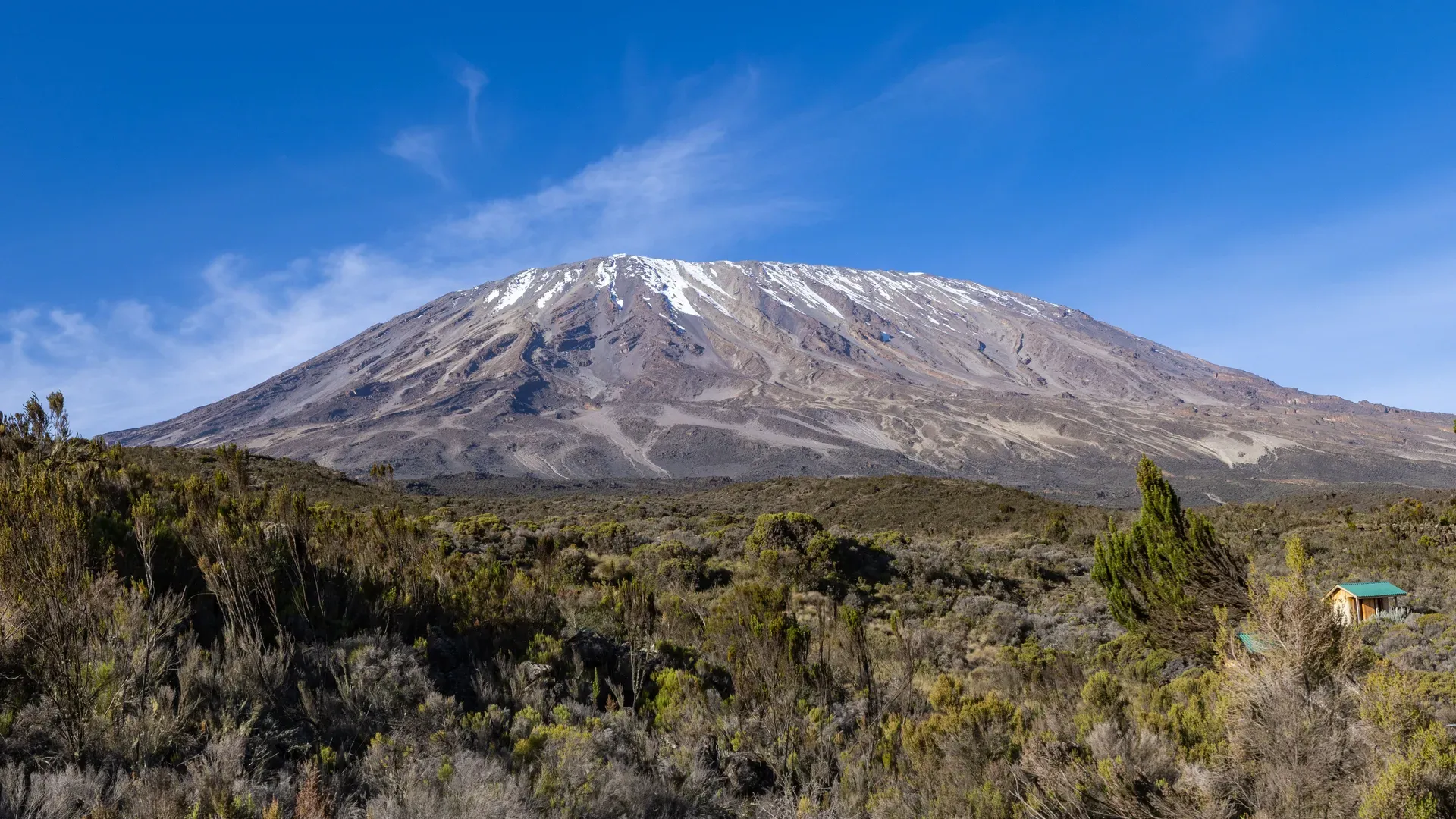
Explore Mount Kilimanjaro with a variety of guided treks and day trips starting from Arusha or Moshi. Whether you are looking for a multi-day summit climb or a single-day hike through the montane rainforest, there are options to suit your schedule and experience level.
 Free Cancellation
 Hike the first leg of the Marangu Route through Kilimanjaro’s rainforest to spot blue monkeys and colobus.
 Free Cancellation
 Hike the Marangu Route, the only path on Kilimanjaro with solar-powered sleeping huts and shared dining halls.
 Free Cancellation
 Hike the first leg of the Marangu route through Kilimanjaro’s rainforest to spot colobus and blue monkeys.
 Free Cancellation
 Reach Mandara Hut and Maundi Crater on a day hike through Kilimanjaro’s rainforest and volcanic terrain.
 Free Cancellation
 Hike through Kilimanjaro’s rainforest to Mandara Hut to see colobus monkeys and the Marangu Route's first camp.
 Free Cancellation
 Walk through Chagga villages on Kilimanjaro’s slopes to meet local farmers and explore the mountain forest.
 Free Cancellation
 Summit Uhuru Peak on a 5-day Marangu route trek including mountain guides and Moshi hotel transfers.
 Free Cancellation
 Climb Kilimanjaro or track the Serengeti migration with a local team operating in Tanzania since 1988.
 Free Cancellation
 Reach 2,720 meters on Kilimanjaro's Marangu Route, hiking through rainforest to Mandara Hut and Maundi Crater.
 Free Cancellation
 Hike the first leg of Kilimanjaro's Marangu Route through rainforest to spot blue monkeys and rare colobus.
Read what travelers share about their experience visiting Mount Kilimanjaro — from practical tips to personal highlights.
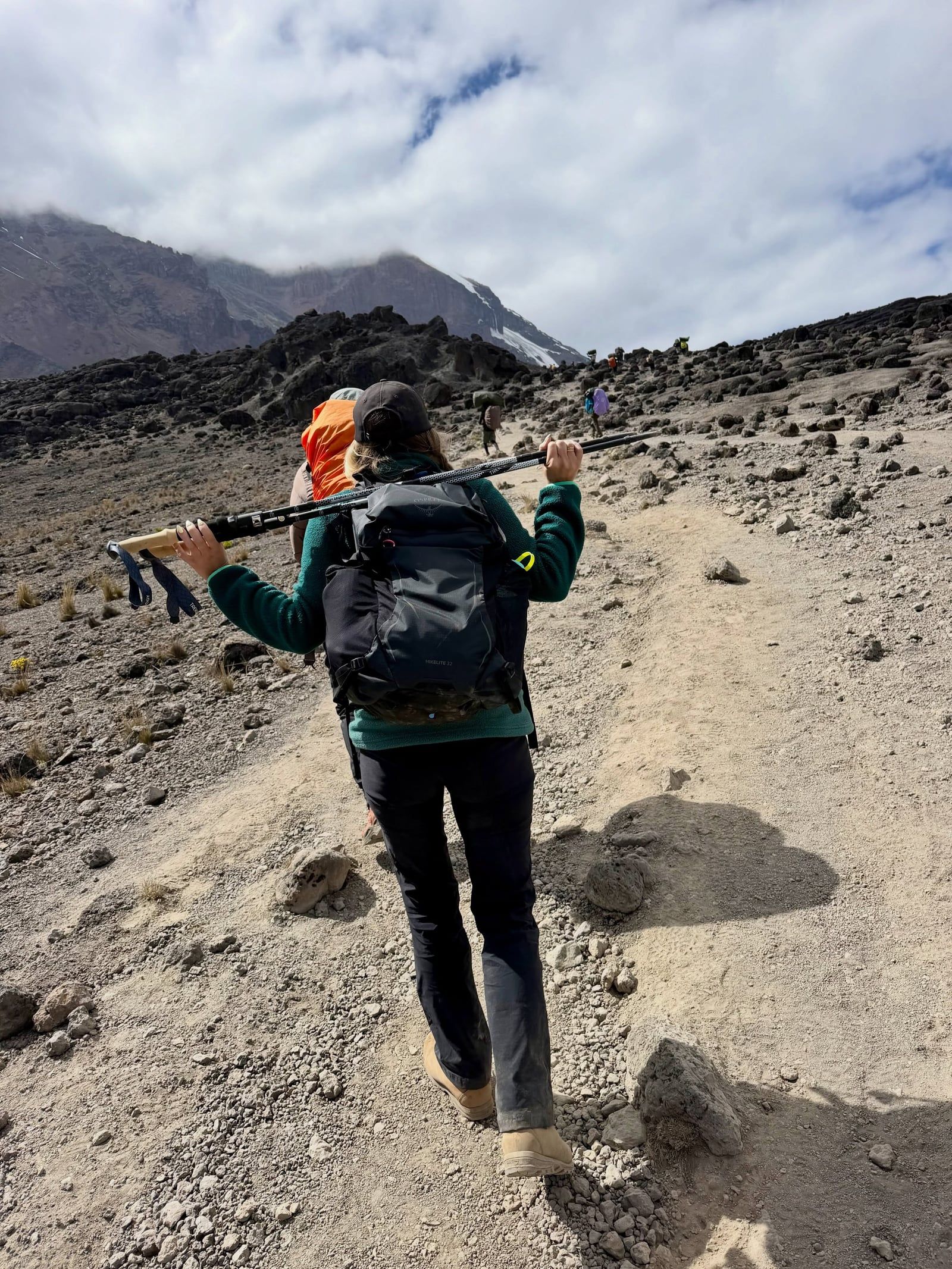
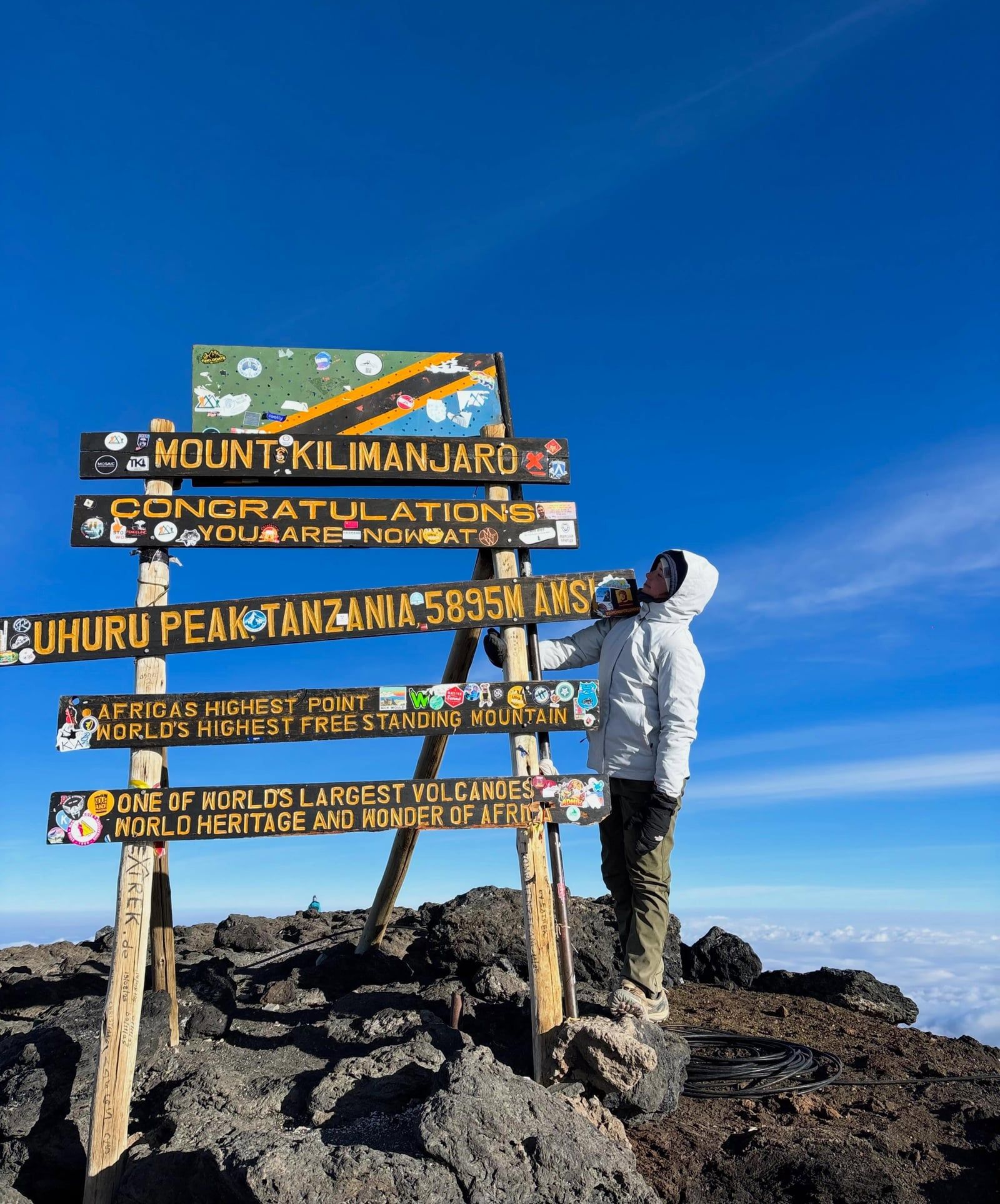
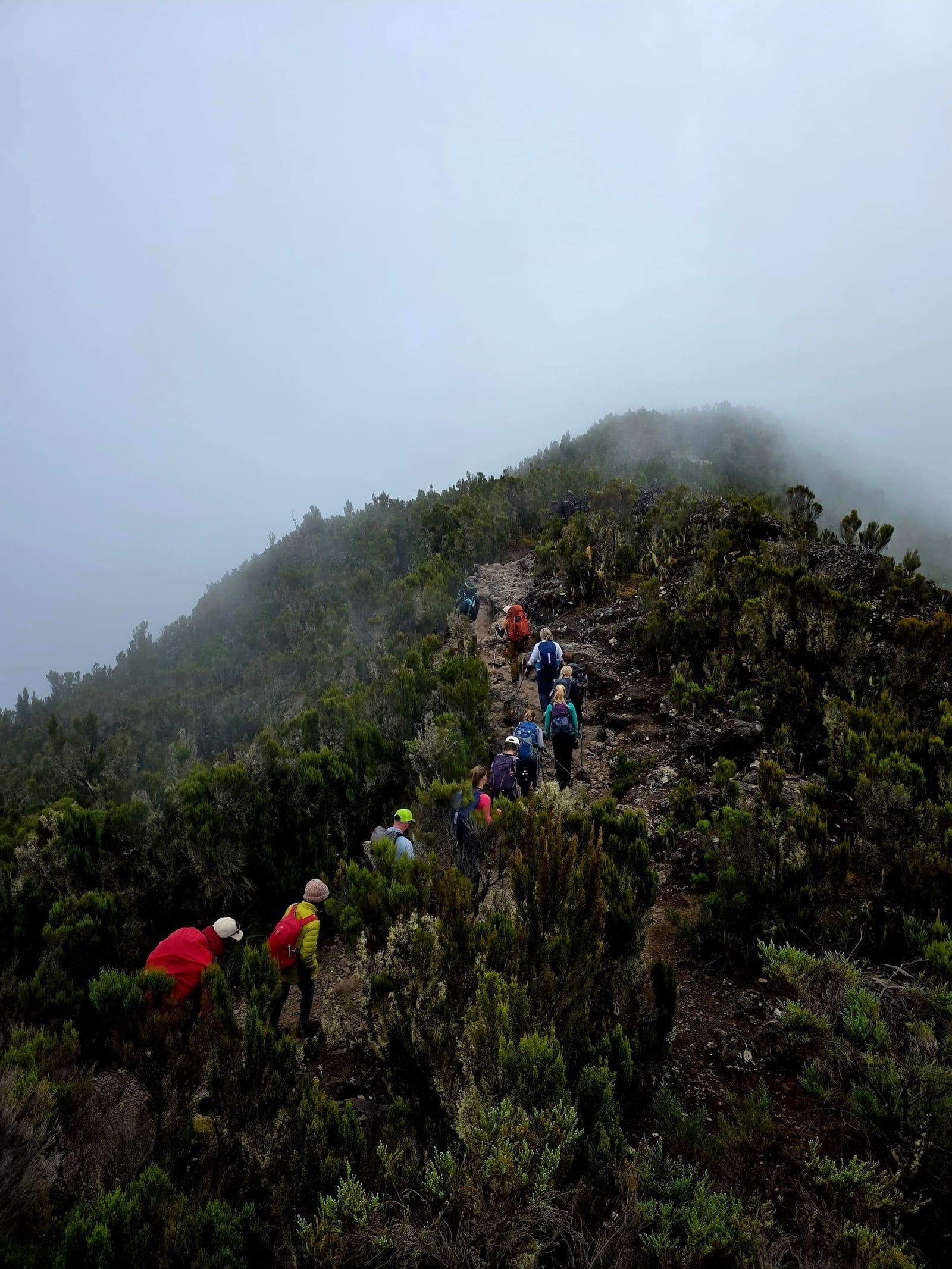
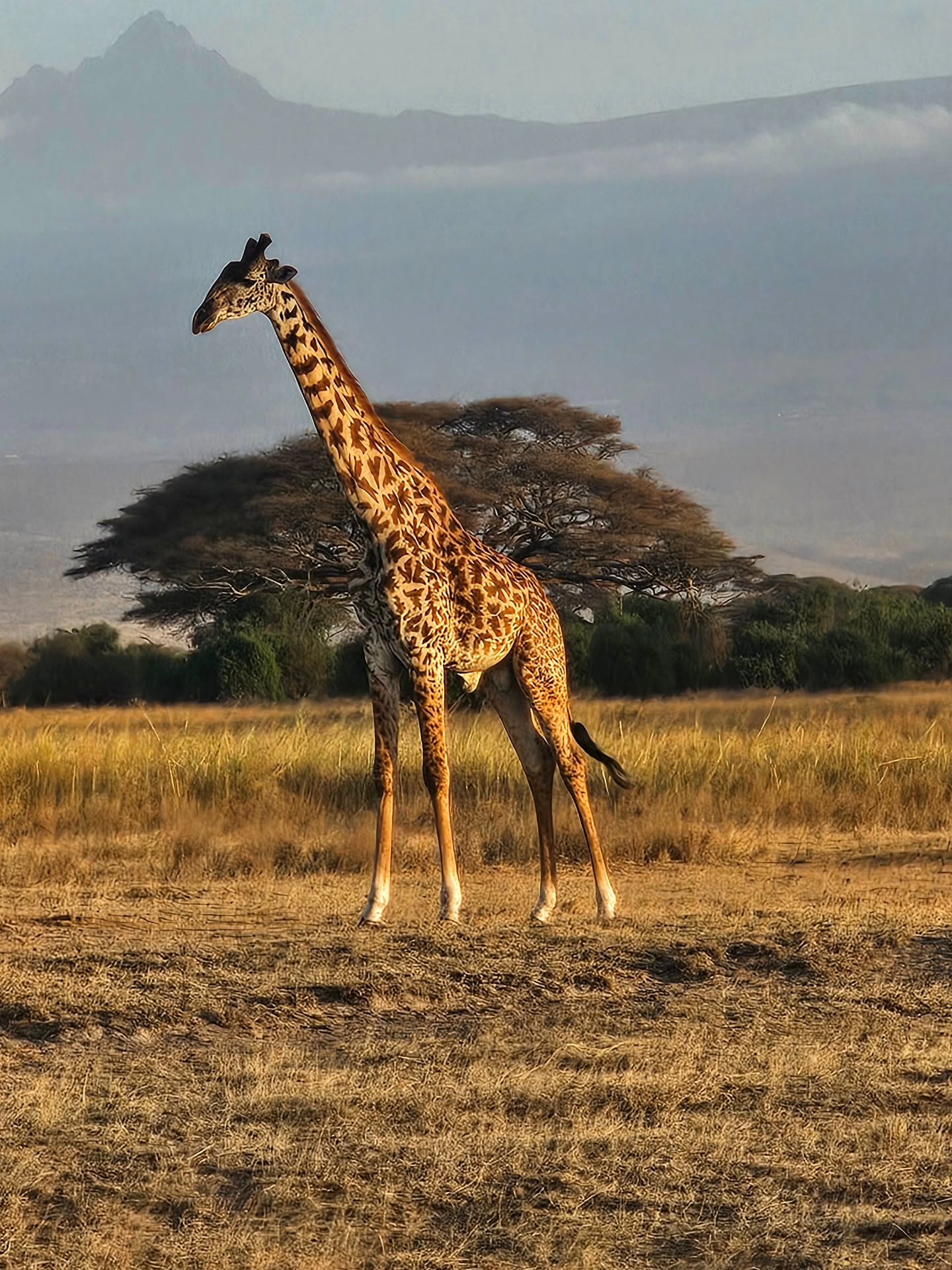
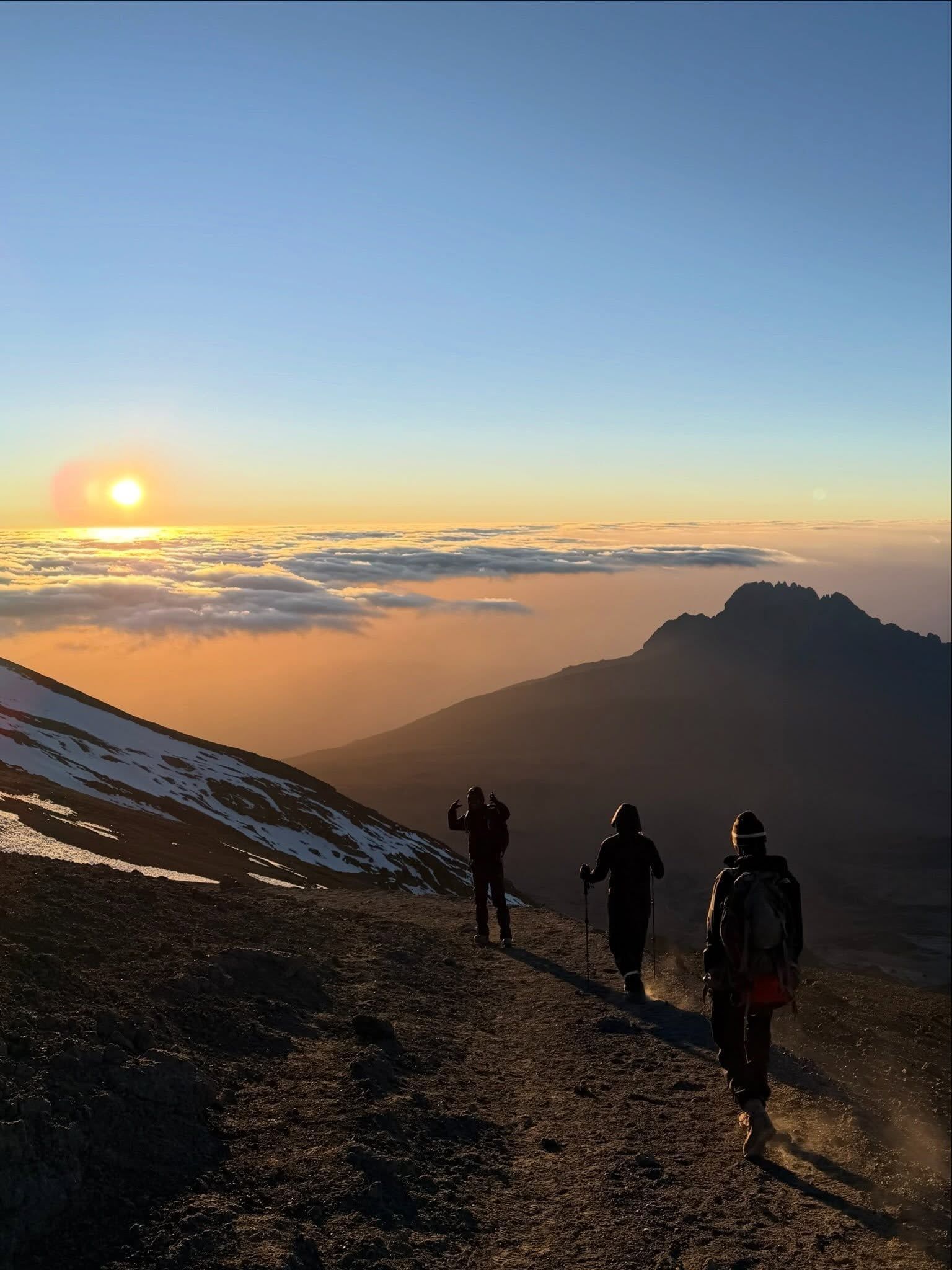
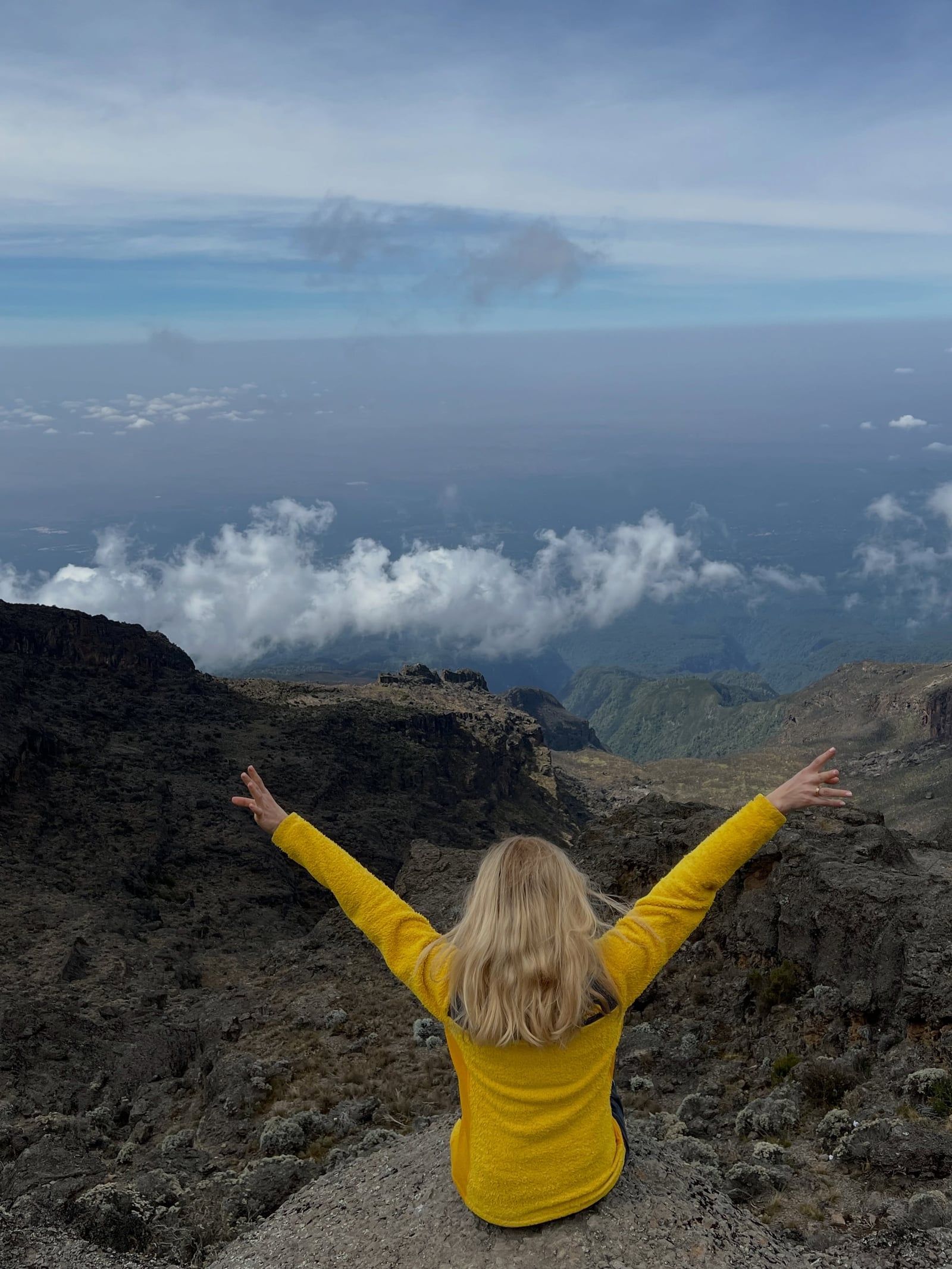
Mount Kilimanjaro tours range from single-day rainforest hikes on the Marangu route to multi-day summit expeditions reaching 5,895 meters. You walk through distinct climate zones, starting in montane forest and ending in arctic conditions at Uhuru Peak. Shorter day trips focus on spotting colobus monkeys and reaching the first camp. Multi-day treks push for the crater rim sunrise.
Climbers reach the 5,895-meter summit just as dawn breaks over the curvature of the earth. The final push happens through the night from Barafu or Kibo Camp. Temperatures often drop below -20°C with high winds.
The lower slopes between 1,800 and 2,800 meters hold thick canopies dripping with old man's beard moss. Blue monkeys and black-and-white colobus move through the branches. The trail here gets extremely muddy after rain.
Trekkers on the Machame and Lemosho routes face a 260-meter near-vertical rock scramble. It takes about two hours of hand-over-hand climbing. The physical challenge pays off with clear views over the Barranco Valley.
This high-altitude volcanic caldera sits at roughly 4,000 meters. Hikers cross wide-open moorland with direct views of Kibo's summit cone. You might spot eland or buffalo tracks in the dust.
Mandara and Horombo camps offer solar-lit wooden dormitories. This is the only path on the mountain with roofed accommodation instead of tents. Day hikers turn around at the first hut after a four-hour climb.
Lower elevation tours skip the park gates entirely to visit local homesteads. Families farm coffee and bananas on small plots called shambas. You sit by open fires to watch the slow process of roasting beans.
Booking a Kilimanjaro tour means choosing between a one-day forest hike and a multi-day summit expedition. Independent climbing is illegal, so every trek requires a licensed operator.
Day hikes last 8 to 10 hours and cover the first 8 kilometers to Mandara Hut. Full summit climbs take 5 to 10 days depending on the route. Choose a 7-day or longer itinerary like Lemosho to improve acclimatization and summit success rates.
Multi-day treks cost roughly $900 to $1,200 just in mandatory park fees. This covers the $70 daily conservation fee, $50 nightly camping fee, and a $20 rescue charge. Tour operators bundle these into the final price, which usually totals $2,000 to $4,000.
You cannot hike Kilimanjaro alone. The Tanzania National Parks Authority (TANAPA) requires all visitors to hire certified guides and crew. Porters carry a maximum of 20 kg each, weighed at the gate before you start.
Reserve peak-season climbs between June and October at least three months in advance. Marangu route hut spaces sell out quickly. Day hikes have more flexibility and can often be booked a few days prior.
The mountain requires no technical mountaineering skills or ropes. Success depends on cardiovascular fitness and how your body handles altitude. Acute Mountain Sickness affects over 75% of trekkers.
Children under 10 are legally barred from climbing past the entry gates. Kids under 16 need written parental consent. Elderly climbers frequently summit, but should book 9-day routes to adjust to the thin air slowly.
Most day-trip operators offer full refunds if canceled 24 hours before departure. Multi-day expeditions usually have stricter, tiered cancellation penalties due to advance permit purchases. Check the specific terms before paying a deposit.
Swipe to see more
| Marangu Day Hike | 5-Day Marangu Summit | 7+ Day Camping Route (Rongai/Lemosho) | Chagga Village Cycling | |
|---|---|---|---|---|
| Duration | 8-10 hours | 5 days | 7-9 days | Full day |
| Elevation Reached | 2,720m (Mandara Hut) | 5,895m (Uhuru Peak) | 5,895m (Uhuru Peak) | Lower slopes (~1,500m) |
| Accommodation | None | Shared wooden huts | Tents | None |
| Price Estimate | $80 - $260 | $740 - $2,400+ | $2,000 - $3,000+ | ~$100 |
Swipe to see more
Park gates open daily between 6:00 AM and 6:30 AM, closing at 6:00 PM to 6:30 PM. You cannot enter outside daylight hours unless you are already registered and sleeping at a high-altitude camp.
Climbers starting a trek should arrive at the gate between 7:00 AM and 10:00 AM. This gives the crew time to weigh porter bags (capped at 20 kg) and clear TANAPA permit checks before hiking begins.
Kilimanjaro International Airport (JRO) is the primary entry point, sitting midway between Moshi and Arusha. A private taxi to Moshi takes 45 minutes and costs roughly $50. Moshi serves as the main base for trekkers.
From Moshi, tour operators drive you to the park gates. The Marangu and Machame gates are a 45-minute drive on paved roads. Reaching the Lemosho or Londorossi gates takes up to four hours on rough 4x4 tracks.
January to early March and June to October are the dry seasons and the safest times to climb. July and August bring the clearest skies and minimal rainfall.
April and May align with Tanzania's long rains. Trails turn to mud, visibility drops, and summit success rates fall 20 to 30 percent below the annual average. The first week of November also carries unpredictable storms. Skip the wet months entirely.
Kilimanjaro is a multi-day trek over volcanic rock, but wheelchair users have successfully reached the summit. This requires specialized all-terrain wheelchairs and a massive support team to lift the chair over boulders.
The Marangu route is the only viable path for this due to its smoother gradient and hut system. Avoid technical sections like the Barranco Wall.
The Marangu route features solar-lit wooden dormitories at Mandara, Horombo, and Kibo camps, complete with communal dining halls and basic washrooms. All other routes require tent camping.
There are no shops or medical facilities on the mountain above the gates. Trekkers rely entirely on their operators for food, purified water, and emergency oxygen. Kilimanjaro SAR operates helicopter rescues from Moshi for severe altitude sickness cases.
Park fees alone for a 7-day trek run about $900 to $1,200 per person. Total tour packages, including guides, food, and gear, typically cost between $2,000 and $4,000.
Yes. The Tanzania National Parks Authority strictly prohibits unguided climbing. You must book through a licensed operator with certified guides.
Most successful climbers take six to eight days. Five-day routes exist, but they offer poor acclimatization time and have much lower success rates.
Yes. Several operators run 8-hour day trips on the Marangu route. You hike through the rainforest to Mandara Hut at 2,720 meters and return to the gate by afternoon.
Children must be at least 10 years old to pass the park gates. Anyone under 16 usually needs written consent from a parent or guardian.
No ropes or crampons are required. It is a steep, high-altitude walk. The only exception is the Barranco Wall, which requires basic hand-over-hand scrambling for about two hours.
Over 75% of climbers experience mild Acute Mountain Sickness. If severe symptoms like confusion or fluid in the lungs develop, guides will force an immediate descent. Rescue helicopters operate from Moshi for critical emergencies.
The Marangu route has basic public washrooms at the hut camps. On camping routes, tour operators set up private portable toilet tents for their groups at each campsite.
Temperatures range from 30°C at the base to -20°C at the summit. You need a sub-zero sleeping bag, waterproof outer shells, insulated layers, and broken-in hiking boots. Porters carry the heavy gear, leaving you with a daypack.
No. Unauthorized drones are illegal in the national park. You need expensive, pre-approved permits from both TANAPA and the aviation authority to film commercially.
Browse verified tours with free cancellation and instant confirmation.
Find Tours


The Marangu Route climbs through montane rainforest on Kilimanjaro’s lower slopes. You'll spend about four hours on the trail where blue monkeys and black-and-white colobus live in the canopy. Listen for hornbills in the trees. The path is wide and maintained, but mud is common. Wear waterproof boots. Mandara Hut sits at 2,700 meters at the end of the ascent. You won't see the snowy peak from the trail because the forest cover is too thick. It's a steady uphill walk. Most people finish the eight-kilometer loop by mid-afternoon. Pack a rain shell even if the sky looks clear at the gate.
For a full refund, cancel at least 24 hours before the scheduled departure time.
English


Zara Tours runs treks on the Marangu Route, the shortest path to the summit and the only one with solar-powered sleeping huts. Known as the 'Coca-Cola' route, it has communal bunk rooms with sponge mattresses and pillows. The first two camps have running water and bathrooms. The final camp at Kibo relies on basic latrines. It's the least rugged way up. You'll eat in shared dining halls with climbers from other groups. Huts often sell soda, bottled water, and beer. Carry small Tanzanian shilling notes. Prices climb with the elevation. While the trek usually lasts five days, book the six-day option. That extra day at Horombo or the Mawenzi basecamp helps you acclimatize. It makes the summit much more likely.
For a full refund, cancel at least 24 hours before the scheduled departure time.
German, English, French, Spanish


You'll hike the first 8 km of the Marangu route, starting at the park gate at 1,860 meters. The trail climbs through dense montane rainforest to Mandara Hut at 2,700 meters, a trek that takes about four hours. Expect mud. If it rained the night before, the path becomes a slick mess of roots and red clay—wear boots with deep lugs. Colobus monkeys stay in the high canopy, while blue monkeys forage near the trail. You'll hear silver-cheeked hornbills before you see them. The forest stays damp and cool even when the plains are hot, so pack a waterproof shell. Most hikers turn back after lunch at the hut, but you can add a 30-minute detour to Maundi Crater for a view of the Kibo peak. It’s worth the extra sweat if the clouds clear.
For a full refund, cancel at least 24 hours before the scheduled departure time.
English, French


This hike follows the Marangu Route from the park gate at 1,860 meters up to Mandara Hut at 2,720 meters. It’s a one-day trip for those who don’t want to commit to a full summit climb. You'll spend about four hours climbing through thick rainforest where black-and-white colobus monkeys live in the canopy. Wear boots with good traction. The trail stays muddy year-round. Mandara Hut is a cluster of wooden A-frame buildings in a forest clearing. From there, a 15-minute walk leads to the rim of Maundi Crater, where the forest thins out enough to see Northern Tanzania and across the border into Kenya. Clouds usually block the horizon by midday, so start before 9:00 AM to see the peaks. Pay the national park fees separately at the gate using a credit or debit card.
For a full refund, cancel at least 24 hours before the scheduled departure time.
German, English, Italian, French, Spanish


This day hike follows the Marangu Route through the Kilimanjaro rainforest to Mandara Hut at 2,700 meters. You'll drive from Arusha or Moshi in a private car or a Hiace to reach the park gate. Black-and-white colobus monkeys often appear in the trees above the trail. It’s a steady climb. While the goal is the hut, your guide will prioritize your pace over reaching the destination if the altitude hits you. Lunch is a packed picnic at the hut served with mineral water. The crew receives fair wages. That matters because underpaid staff are a real problem on the mountain. Wear waterproof boots because the forest floor stays slick and muddy year-round. It’s a solid introduction to the mountain without the multi-day commitment. Pick the Moshi departure to save two hours of driving time.
For a full refund, cancel at least 24 hours before the scheduled departure time.
English, French, Spanish


You visit Chagga homesteads on the lower slopes of Mount Kilimanjaro. Most families here farm coffee and bananas on small plots called shambas. You'll sit with them to see how they roast beans over an open fire. It's a slow process. Paths wind through banana groves and past stone irrigation channels that carry water from mountain springs. Expect to meet farmers hauling heavy loads of fodder for their stall-fed cattle. Wear boots with deep lugs. The volcanic soil turns into a greasy red paste after a light rain, and flat sneakers won't hold.
For a full refund, cancel at least 24 hours before the scheduled departure time.
English


This five-day climb starts at Marangu Gate and follows the only route on Kilimanjaro with permanent hut dormitories. A driver picks you up from your Moshi hotel for the 45-minute trip to the park entrance. You'll hike through rainforest and moorland to reach the 5,895-meter summit at Uhuru Peak. It's often called the Coca-Cola route. But the final push is a steep, midnight slog over loose volcanic scree. Mountain guides manage the pace to help with the 1,000-meter daily elevation gains. You'll stay in shared A-frame huts with solar lighting and basic mattresses rather than tents. Pack a four-season sleeping bag. Temperatures at Kibo Hut stay well below freezing. After the summit, the descent follows the same path back to the gate for your return transfer. Pick this route if you prefer a roof over your head.
For a full refund, cancel at least 24 hours before the scheduled departure time.
English


Zara Tanzania Adventures runs Kilimanjaro treks and Serengeti safaris. They've operated since 1988 and specialize in summit climbs and the Great Migration. Local guides handle the logistics on the ground. It's a massive operation. Profits fund regional sustainability projects. These programs cover environmental protection and local employment. If you're targeting the Serengeti, check the herd's location before picking your dates. They move hundreds of miles throughout the year. Avoid Kilimanjaro in April and May when heavy rains turn the trails to mud. Stick to the dry months.
For a full refund, cancel at least 24 hours before the scheduled departure time.
German, English, French, Spanish


This day-hike reaches Mandara Hut at 2,720 meters on Kilimanjaro’s Marangu Route. It’s the fastest way to see the mountain's rainforest zone if you don't have a week for the summit—you'll be back at the gate by late afternoon. The climb from Marangu Gate gains 800 meters of elevation over roughly three hours. You’ll walk under a dense canopy where black-and-white colobus monkeys and tropical birds are common. The trail is well-maintained but gets slick after rain. Bring boots with good grip. The hike continues fifteen minutes past the hut to the rim of Maundi Crater. On clear days, the view extends over Northern Tanzania into Kenya. Pay the park entrance fees at the gate with a credit card. They don't accept cash.
For a full refund, cancel at least 24 hours before the scheduled departure time.
German, English, Chinese (China), Italian, French, Spanish


This day trip follows the first leg of the Marangu Route up Mount Kilimanjaro. You'll hike through high-altitude rainforest where blue monkeys and black-and-white colobus move through the canopy. It’s a steady climb on a cleared path. That makes it the right choice for casual hikers who want the forest scenery without the multi-day commitment of a summit push. The trail starts at Marangu Gate and gains roughly 800 meters in elevation. Birdsong is constant, but the dense foliage makes spotting specific species a challenge. Pack a rain jacket. Afternoon showers are frequent, and the trail’s volcanic soil gets slippery when wet. If the sky clears, you’ll catch views of the jagged Mawenzi peak through the trees.
For a full refund, cancel at least 24 hours before the scheduled departure time.
English