About All ToursHiking ToursClimbing ToursTrekking ToursPrivate ToursAnd Safari ToursNorthern Circuit Tours Directions Hours & Fees Guides
Find Tours 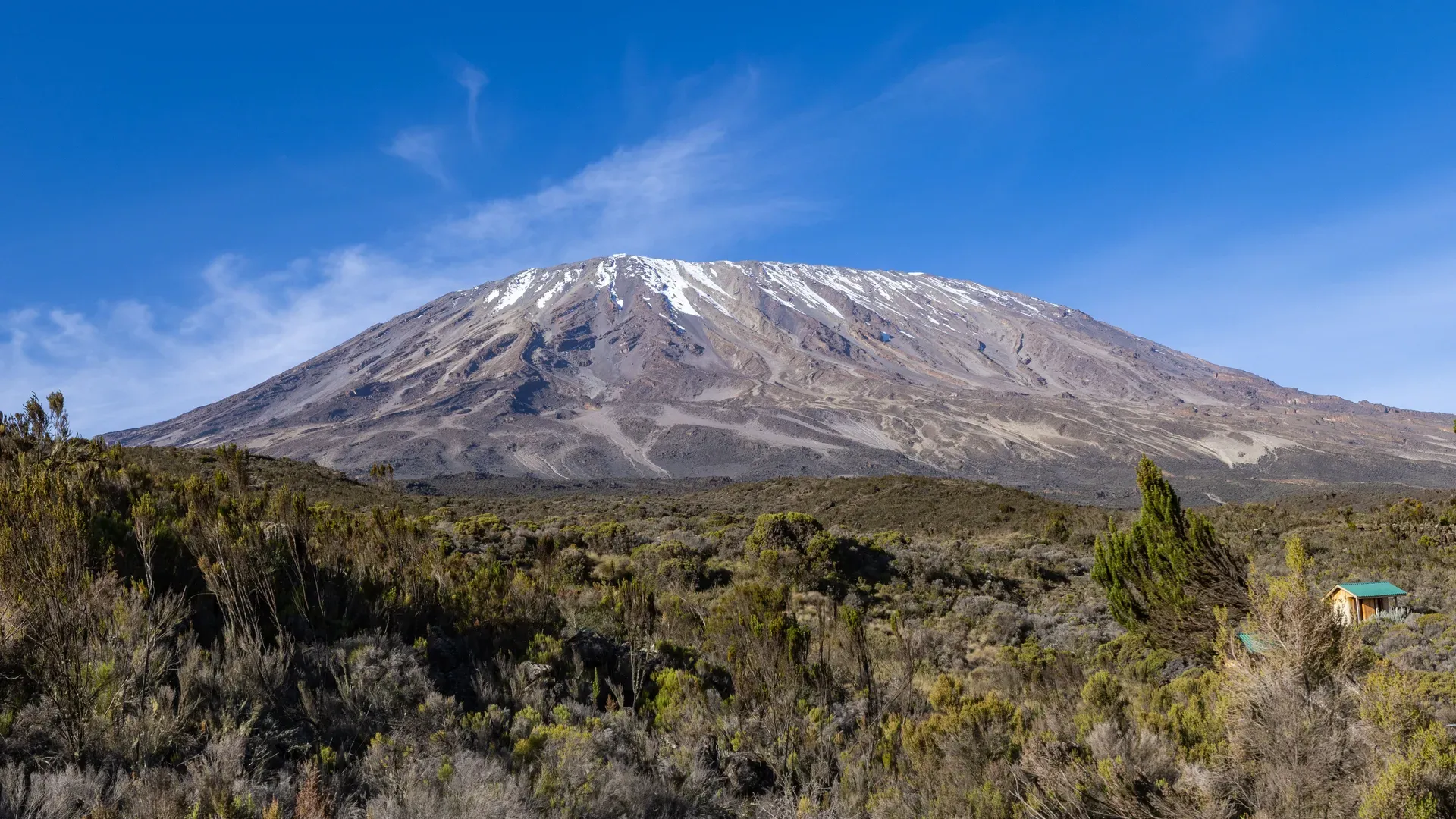
Explore the longest and quietest path to the summit with these Mount Kilimanjaro Northern Circuit tours. These 8 to 9-day treks offer higher summit success rates by allowing more time for altitude acclimatization.
 Free Cancellation
 Hike Kilimanjaro's longest route over eight days for the best acclimatization and the quietest trails on the mountain.
 Free Cancellation
 An eight-day trek circling the entire mountain on Kilimanjaro’s quietest route for the best summit success rate.
 Free Cancellation
 This 9-day trek circles the Kibo cone and avoids the Barranco Wall scramble by using the quiet northern circuit.
 Free Cancellation
 This nine-day trek loops around Kilimanjaro’s remote northern slopes via the Shira Plateau and Londorossi Gate.
 Free Cancellation
 Kilimanjaro's longest route has the highest success rate and circles the quiet northern slopes.
 Free Cancellation
 This nine-day trek circles Kilimanjaro's northern slopes for the mountain's quietest trails and views into Kenya.

Custom multi-country safaris designed by a team with 12 years of field experience.
 Free Cancellation
 This 360-degree loop around Kilimanjaro's northern slopes has the mountain's highest summit success rate.
 Free Cancellation
 Kilimanjaro’s longest route takes nine days to circle the quiet northern slopes via the Londorossi Gate.
 Free Cancellation
 Track the Great Migration across the Serengeti and Ngorongoro Crater on this 9-day Northern Tanzania lodge safari.
Read what travelers share about their experience visiting Mount Kilimanjaro — from practical tips to personal highlights.
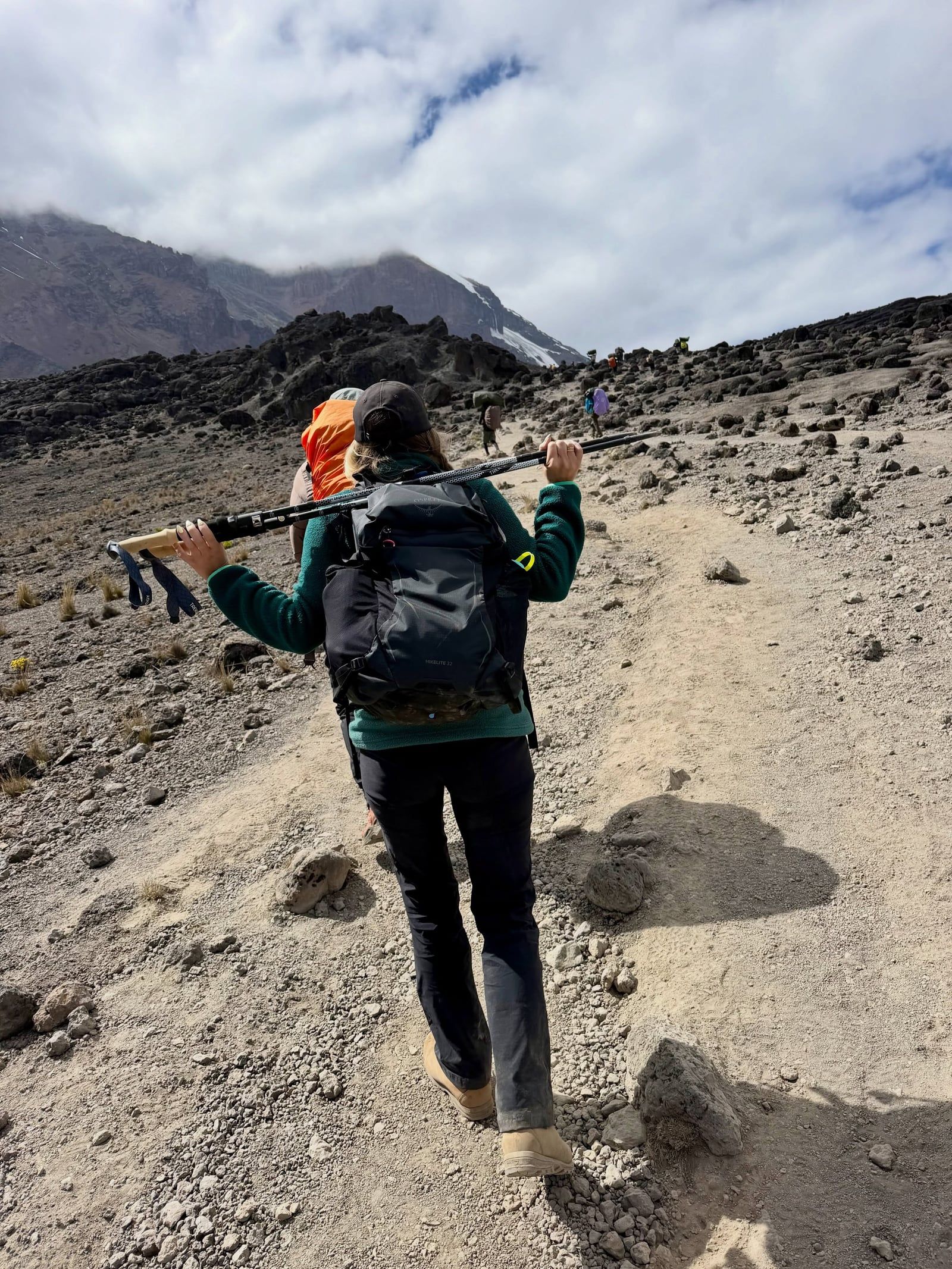
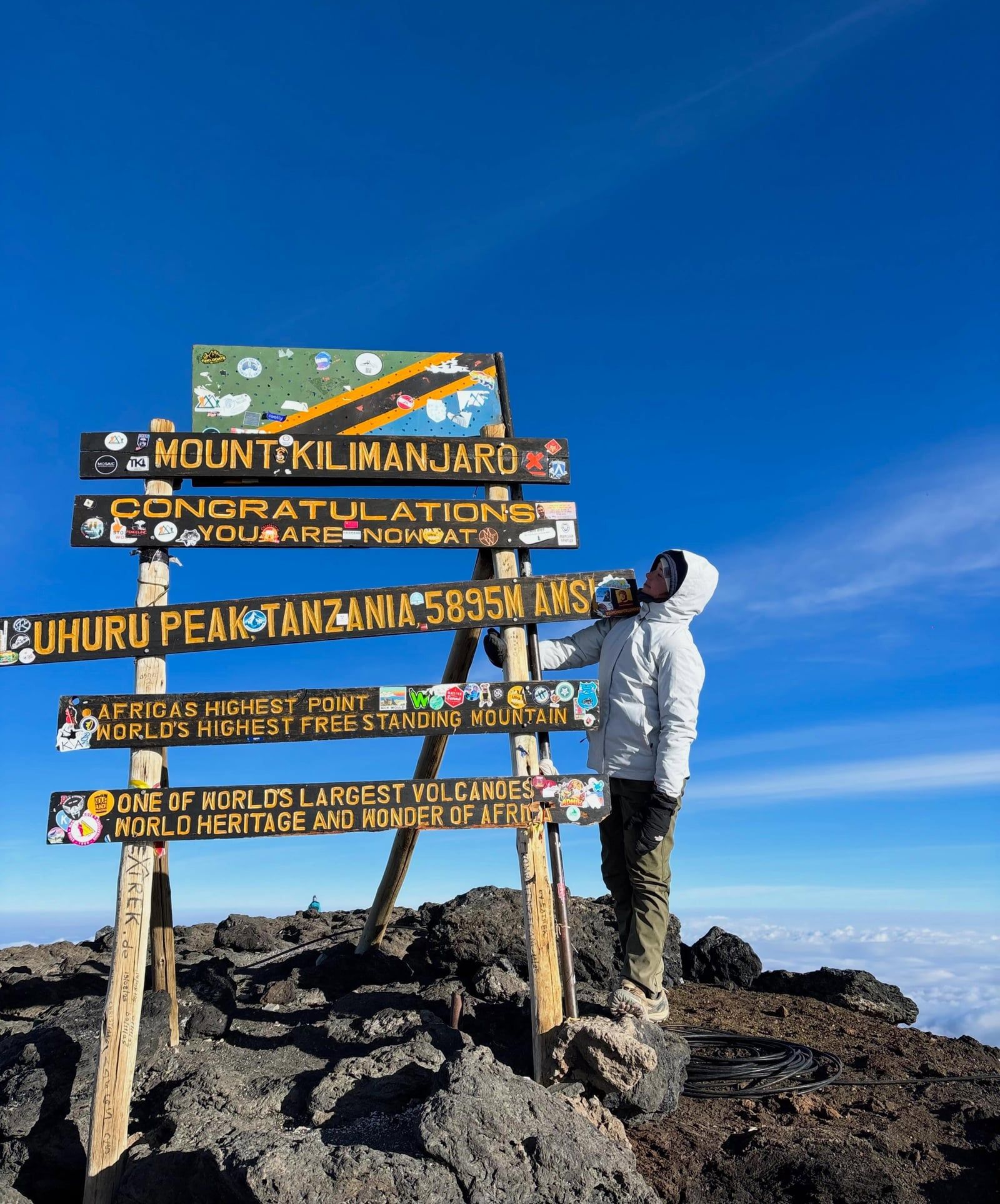
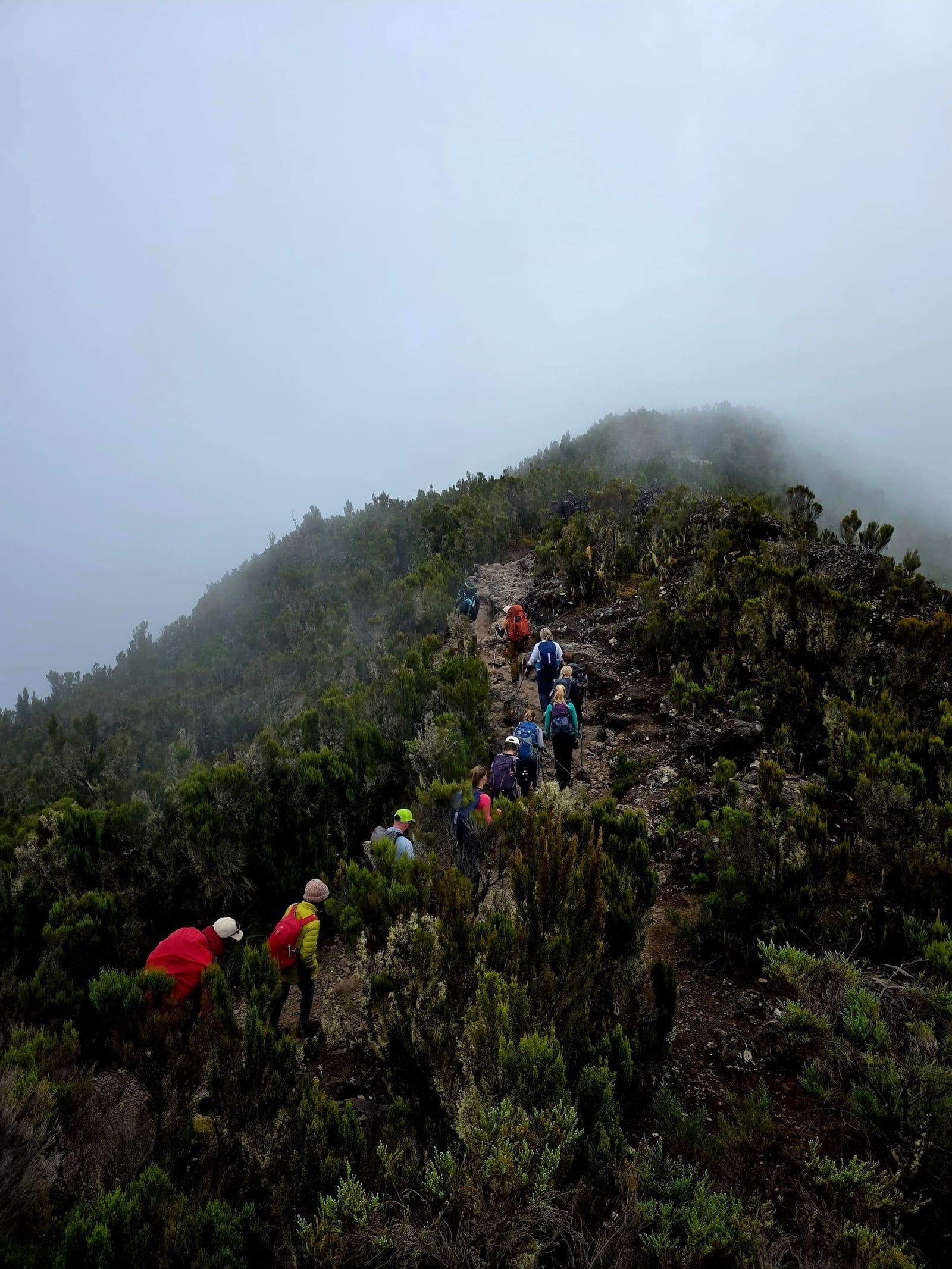
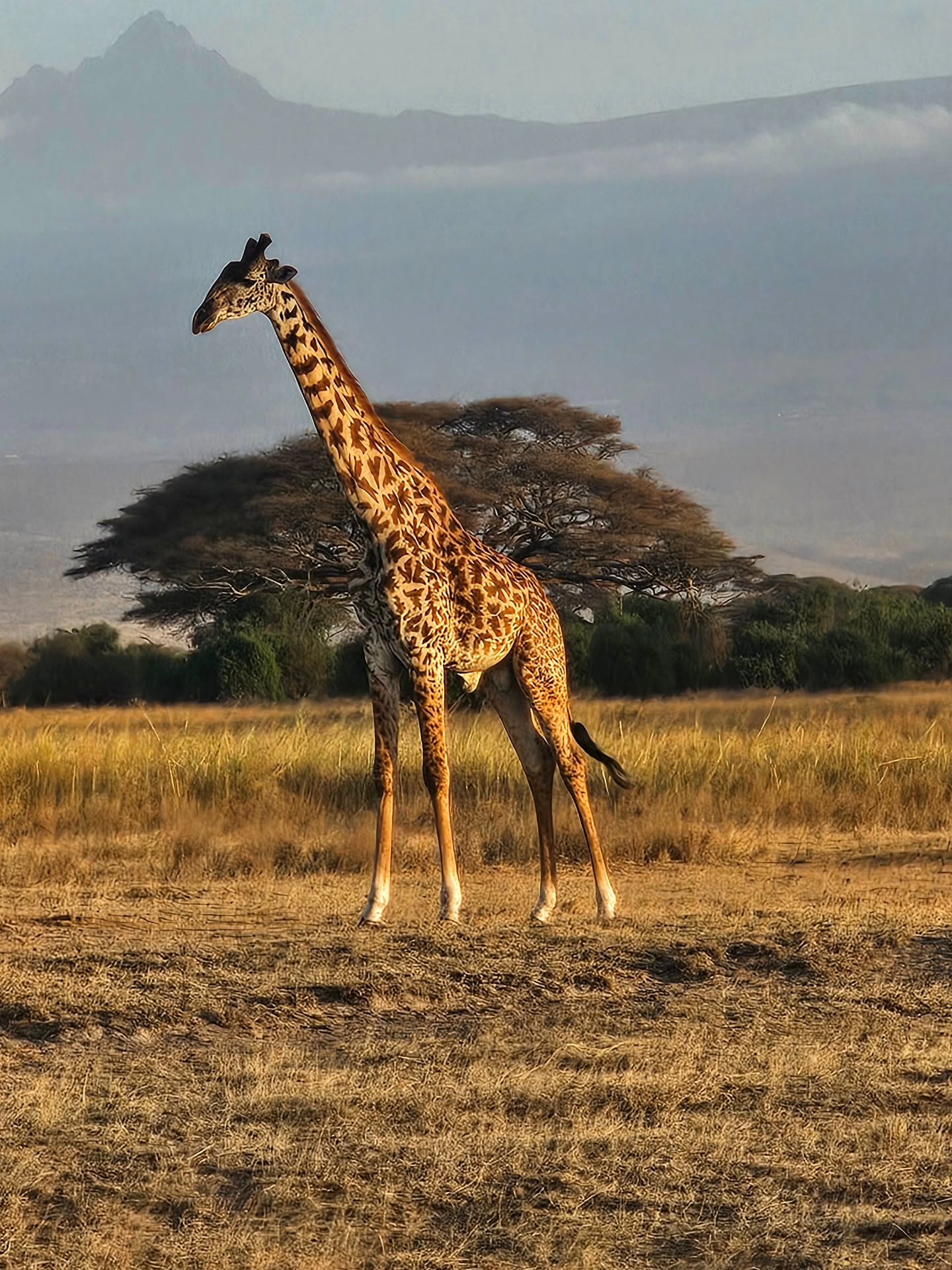
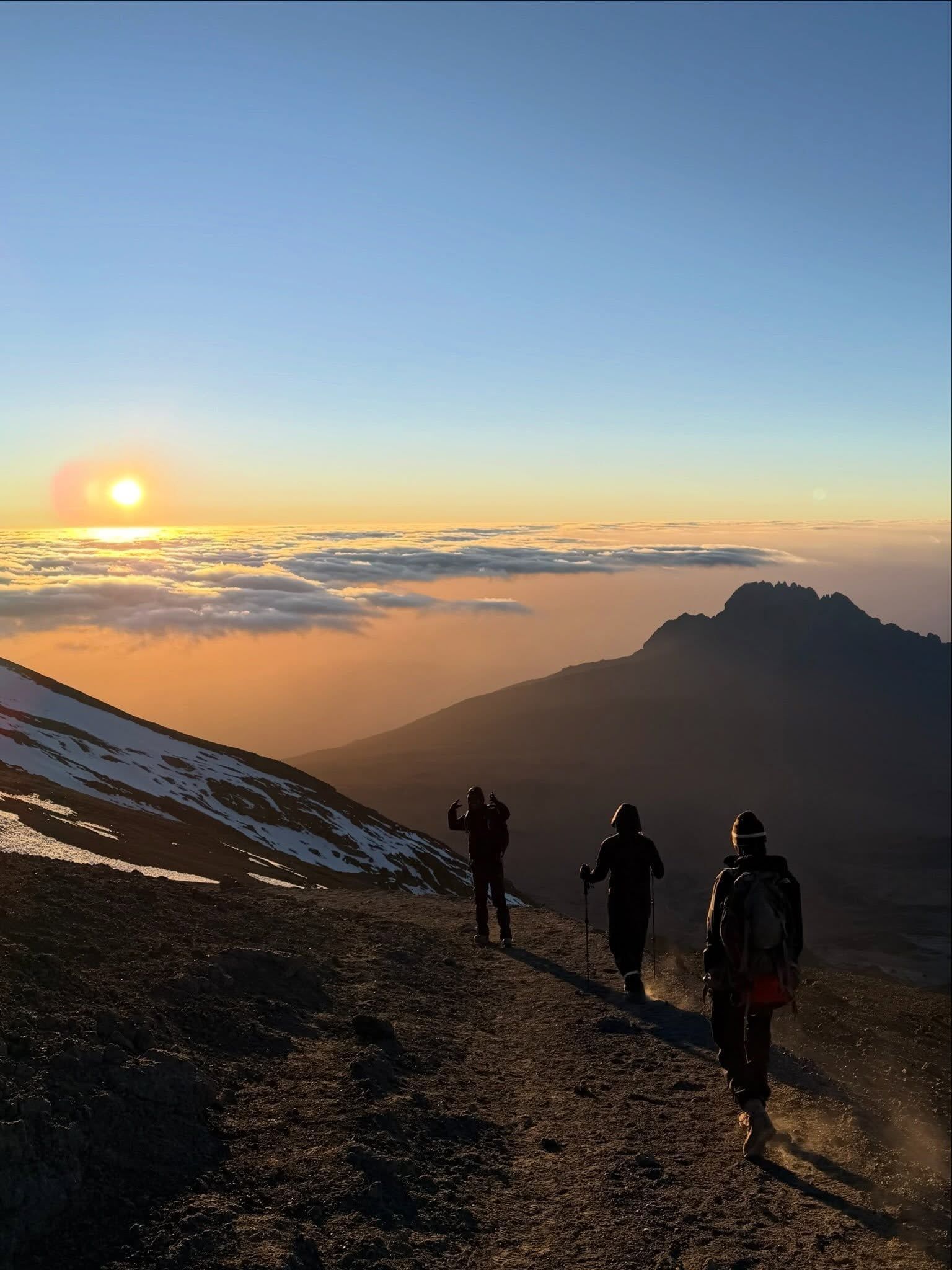
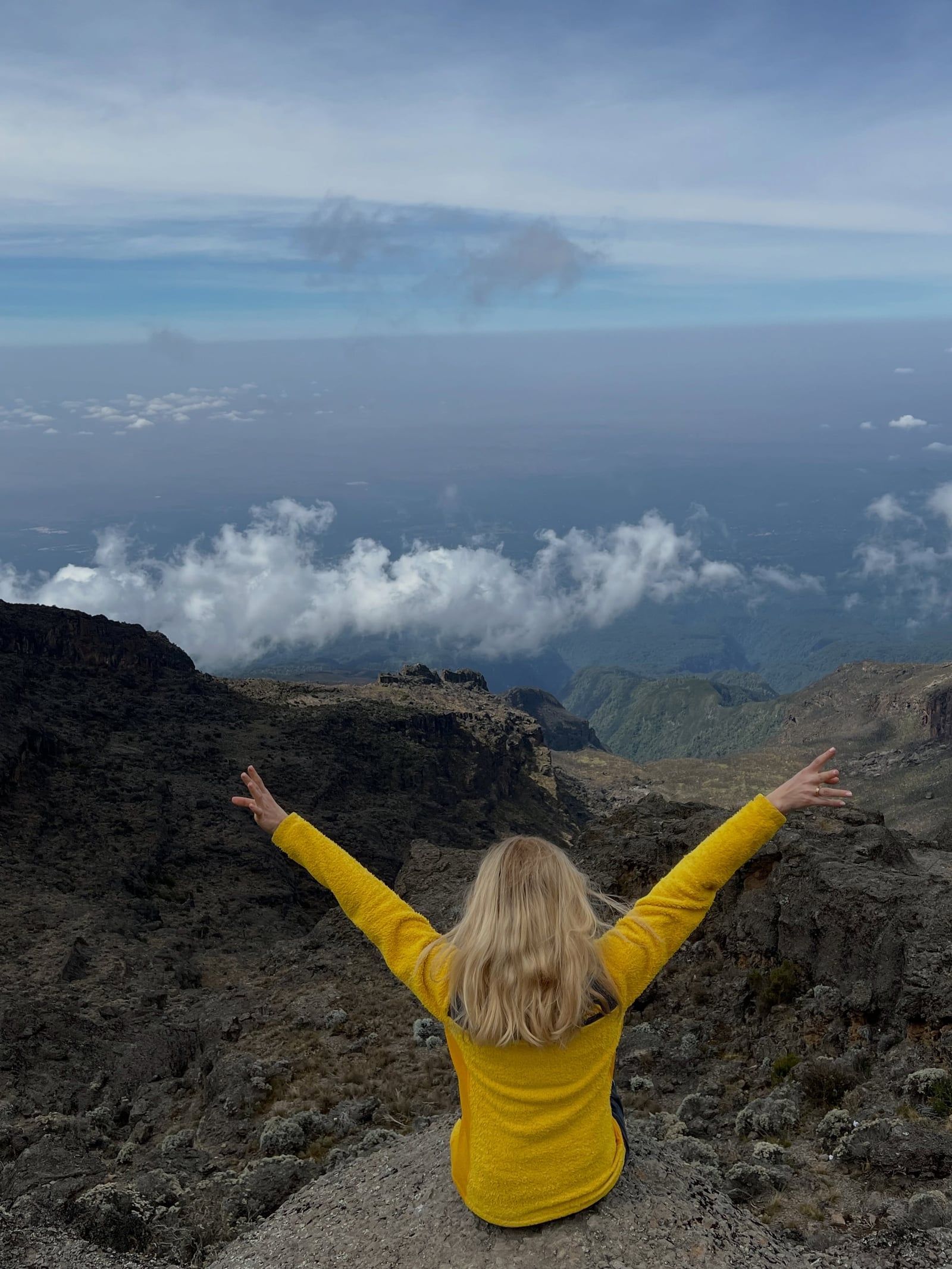
The Northern Circuit is Kilimanjaro's longest and quietest route, taking eight or nine days to loop around the mountain's northern slopes near the Kenyan border. Trekkers walk across the vast Shira Plateau and bypass the heavy foot traffic of the southern trails before making a midnight push to the 5,895-meter Uhuru Peak. This extended time at altitude gives climbers the highest summit success rate on the mountain.
At 3,800 meters, this high-altitude volcanic caldera floor offers wide-open moorland views toward Kibo's summit cone. You might spot eland or buffalo tracks in the dust.
The trail breaks away from the crowds near Lava Tower to circle the northern face. Hikers look out over the Kenyan plains in near total isolation.
The first days involve climbing through a dense canopy dripping with old man's beard moss. Colobus and blue monkeys often move through the branches overhead.
Climbers leave camp in the dark to ascend through freezing winds. Standing at Uhuru Peak at dawn reveals the earth's curved shadow on the horizon.
The trek ends with a walk down through misty forest to the ranger post. Climbers gather here to receive their official TANAPA summit certificates.
Booking a Northern Circuit trek requires coordinating with a licensed Tanzanian operator well in advance. Independent climbing is illegal on Kilimanjaro.
TANAPA requires all climbers to book through a registered tour company. Your crew will include certified guides, a cook, and a team of porters carrying tents and food.
Tour packages typically cover the $900 to $1,200 park fees, which include daily conservation, camping, and rescue charges. Most operators also provide airport transfers and pre-climb hotel nights in Moshi or Arusha.
Northern Circuit tours run for eight or nine days. Pick the nine-day option if you can afford the extra time, as the added acclimatization day pushes summit success rates above 85 percent.
Personal climbing gear like minus-20-degree sleeping bags and trekking poles are rarely included in the base price. You can rent these items from your operator in Moshi before the trek begins.
Tipping is a standard expectation at the end of the climb. Budget extra cash for a group tipping ceremony at the final gate, following Kilimanjaro Porters Assistance Project (KPAP) guidelines.
Secure your spot three to six months early for the dry seasons of January to March and June to October. Operators cap group sizes, and high-quality companies sell out during these peak months.
You need a high level of physical fitness and a thorough medical check before attempting the 5,895-meter peak. Operators will not allow pregnant travelers or those with poor cardiovascular health on the mountain.
Swipe to see more
| 8-Day Northern Circuit | 9-Day Northern Circuit | Private Northern Circuit | |
|---|---|---|---|
| Duration | 8 Days | 9 Days | 8-9 Days |
| Summit Success Rate | High (~80%) | Highest (85%+) | Highest |
| Crowd Level | Very Low | Very Low | None (just your group) |
| Price from | $2,750 | $2,950 | $3,399 |
Swipe to see more
Park gates operate daily with check-in running from 6:00 AM to 6:30 PM. Climbers beginning a trek should arrive at the gate between 7:00 AM and 10:00 AM.
This window gives the crew time to weigh porter loads and process TANAPA permits before starting the hike. The maximum allowed weight per porter is 20 kg, strictly enforced at the gate scales.
Entry outside daylight hours is illegal unless you are already a registered overnight climber on the mountain.
Most operators pick you up from Kilimanjaro International Airport (JRO) and drive you to a hotel in Moshi, about 45 minutes away. JRO is the main gateway, served by flights from Nairobi, Doha, and Amsterdam.
The Northern Circuit starts at the Londorossi Gate on the mountain's western side. Reaching this gate requires a three to four-hour drive from Moshi.
The final stretch of this drive often involves rough 4x4 dirt tracks. Tour companies handle all these ground transfers as part of your package.
January to early March and June to October are the dry seasons and the safest times to climb. July and August bring the clearest skies and minimal rainfall.
Avoid April and May entirely. The long rains turn the lower trails into deep mud and drop summit success rates to 20 percent.
The first week of November also brings unpredictable storms as the wet season transitions in. Skip it if you want reliable visibility.
Kilimanjaro is a multi-day trek over steep volcanic rock and is not wheelchair-accessible in a conventional sense. Climbers with disabilities have summited using specialized all-terrain wheelchairs and massive support teams, but they usually take the smoother Marangu route rather than the Northern Circuit.
The minimum legal age to climb is 10 years old, enforced at all park gates. Children under 16 need written parental consent.
Elderly climbers frequently summit but should choose the nine-day itinerary for slower acclimatization and expect five to seven hours of walking per day.
The Northern Circuit is a strict camping route with no permanent huts. Your crew provides the infrastructure.
You sleep on basic foam mattresses. There is no electricity or mobile reception for most of the trek.
Single-use plastics, open fires, and off-trail hiking are banned on the mountain. All waste must be carried out of the park.
Drones are illegal without dual authorization from TANAPA and the Tanzania Civil Aviation Authority. Flights over the glaciers are strictly prohibited and unauthorized use leads to confiscation.
Climbers must sign a logbook at every camp for safety tracking. Alcohol is strongly discouraged above 3,000 meters due to severe dehydration risks.
Expect to pay between $2,700 and $4,500 for a full package. About $900 to $1,200 of that goes directly to TANAPA for park conservation, camping, and rescue fees.
No, Kilimanjaro is a non-technical walk-up mountain. You do not need ropes or crampons. Physical endurance and altitude tolerance matter more than mountaineering skills.
It is the longest trail on the mountain, which gives your body more time to adjust to the thin air. It also bypasses the heavy crowds found on the Machame and Marangu routes.
Guides carry medical oximeters and check your oxygen levels twice daily. If you develop severe symptoms like confusion or breathlessness at rest, the guides will immediately walk you down to a lower elevation.
International flights to Kilimanjaro International Airport (JRO) are never included. Tour operators do provide airport pickups and all ground transportation to the park gates.
Temperatures at Uhuru Peak can drop to -20°C before wind chill. You will need insulated layers, hand warmers, and a high-quality sleeping bag rated for extreme cold.
No, independent trekking is illegal on Kilimanjaro. You must hire a licensed Tanzanian tour operator who provides certified guides and a full support crew.
You will sleep in four-season mountain tents set up by your porters at designated campsites. There are no wooden huts on this side of the mountain.
You only carry a small daypack with your water, layers, and camera. A porter carries your main duffel bag, which is strictly limited to 15 kilograms of personal gear.
A dedicated mountain cook prepares three hot meals a day in a dining tent. Operators can accommodate vegetarian, vegan, and gluten-free diets if notified in advance.
Browse verified tours with free cancellation and instant confirmation.
Find Tours


The Northern Circuit is Kilimanjaro's longest trail and the one with the fewest hikers. It skirts the mountain’s northern slopes, a section most other routes bypass entirely. Since it's the newest path, you won't find the heavy foot traffic common on the Machame or Marangu routes. It's a long trek through remote terrain. Eight days is the minimum time for this trek. The extended schedule gives your body more time to adjust to the altitude. It has the highest summit success rate on the mountain. If you've got the stamina, book the nine-day version. It includes a night in the Reusch Crater at 5,750 meters. Pack your warmest gear for that night—temperatures drop well below freezing inside the caldera.
For a full refund, cancel at least 24 hours before the scheduled departure time.
English


The Northern Circuit is the only route that circles nearly the entire mountain over eight days. You'll start on the western slopes, trek across the northern face, and reach the summit via the eastern Marangu path before descending south. It's the least crowded trail on the mountain. The extra time at high altitude helps your body adjust. It's the safest way to the top. Expect long days of walking. You'll cross the Lemosho, Rongai, and Mweka trails as you loop around the peak. This variety means you see every side of the mountain rather than retracing your steps. It’s a slow burn. If you’re prone to altitude sickness, book this one.
For a full refund, cancel at least 24 hours before the scheduled departure time.
English


This is the only route that circles the Kibo cone on a near 360-degree path. It uses the northern circuit, which sees far fewer hikers than the southern trails. You'll spend most of your time on empty paths looking out over the Kenyan plains. It's a non-technical walk. The trail bypasses the Barranco Wall entirely, so you can keep your hands in your pockets rather than scrambling. Book the nine-day version for the best chance at the summit. The long itinerary and gradual climb allow your body to adjust to the altitude slowly. Most people reach the peak on this route because the ascent isn't rushed. It's a camping trip, so expect cold nights in a tent. The extra days mean more gear and higher costs, but it's the right choice if you want to avoid both altitude sickness and the crowds.
For a full refund, cancel at least 24 hours before the scheduled departure time.
English


The Northern Circuit is the longest path up Kilimanjaro and takes at least eight or nine days to reach the summit. You start at the Londorossi Gate in the west and share the trail with Lemosho hikers for the first two days. After you cross the Shira plateau, the route breaks away from the crowds at Lava Tower. Most groups drop into the Barranco Valley, but this path heads north across the mountain’s backside. It’s the quietest part of the trek. Book the nine-day version for better altitude safety. If you opt for the eight-day trek, you'll skip the rest day at Shira Camp 2 and push directly to Moir Camp. This makes the climb harder on your lungs. The trail eventually circles around the northern slopes to the east side. You'll see the Kenyan plains that southern hikers miss. Bring extra batteries for your headlamp—the nights on the north face are colder and darker than the more established camps.
For a full refund, cancel at least 24 hours before the scheduled departure time.
English


The Northern Circuit has the highest summit success rate on Kilimanjaro because it's the mountain's longest route. This extra time on the trail lets your body adjust to the altitude more effectively than on shorter paths. It circles nearly 360 degrees around the peak and crosses the quiet northern slopes. If you have the time, take this route. The trip starts with a long drive from Moshi to the Londorossi Gate on the western side. You'll spend the first two days trekking through rainforest to Shira Ridge before crossing the Shira Plateau. From Moir Hut, the path turns north. It circles clockwise through Buffalo Camp and School Hut, then you'll summit from the east side. You'll head down the Mweka route. It's a long haul. Bring extra socks for the rainforest and a book for the quiet evenings.
For a full refund, cancel at least 24 hours before the scheduled departure time.
English


Only the Northern Circuit circles Kilimanjaro’s northern face in a clockwise loop. You'll start at Lemosho Gate and spend the first few days climbing through rainforest on the standard Lemosho path. Once you reach the Shira Plateau at 3,800 meters, the route breaks away from the main traffic. This is the mountain's longest itinerary. It has a high success rate because the extra days help your body adjust to the thin air. The trail passes Lava Tower—a 90-meter volcanic rock formation—before turning toward the remote northern slopes. You'll see the Kenyan plains stretching out to the horizon from these high ridges. It’s quiet here. While other routes feel like a procession, you might go hours without seeing another group on this stretch. But the wind on the northern side is biting. Bring a heavy hardshell jacket to block the gusts. The loop finishes on the northeast side for the final ascent via Gilman’s Point. Expect to spend nine days on the mountain. It’s the most expensive route on the mountain due to the extra park fees and staff wages. Book this if you want solitude.
For a full refund, cancel at least 24 hours before the scheduled departure time.
English, French


Rupia Adventure organizes custom safaris that cross borders between East African nations. The team has spent 12 years mapping these routes. We build trips from scratch based on specific wildlife interests or timing. That’s the best way to see the migration. Expect a focus on logistics that keep you in the bush rather than in transit. We handle the cross-border permits and vehicle swaps required for multi-country trips. These transitions can be slow—budget an extra hour for the border at Namanga. Our guides prioritize animal behavior over ticking off a list. You’ll spend more time watching a hunt than driving between sightings. Choose this operator if you want a route that links Kenya, Tanzania, and Uganda in one go. It’s a lot of sitting, so pack a good dust mask for the dry season. For single-park trips, local budget outfits are cheaper. Book at least six months out for the best lodge availability.
All sales are final. No refund is available for cancellations.
English, French, Spanish


The Northern Circuit has the highest summit success rate on Kilimanjaro because it's the mountain's longest route. Extra days at high altitude help your body adjust to the thin air before the final push. You'll see nearly every side of the peak, even the quiet northern slopes where crowds are thin. It's the best choice for reaching the top. The trek begins with a three-hour drive from Moshi to Londorossi Gate on the western side. You'll trek through rainforest for the first two days to reach Shira Ridge. Then the terrain opens up at the Shira Plateau. From there, the path turns north and circles clockwise past Moir Hut and Buffalo Camp. You'll eventually reach School Hut for a summit attempt from the east. Pack extra layers for the northern sections — the wind picks up once you leave the shelter of the southern face.
For a full refund, cancel at least 24 hours before the scheduled departure time.
German, English, Italian, French, Spanish


The Northern Circuit is the longest path up Kilimanjaro, requiring at least eight or nine days to finish. It starts at the Londorossi Gate in the west and follows the Lemosho trail for the first two days across the Shira plateau. Near Lava Tower, the path veers north, bypassing the crowded Barranco Valley and the southern circuit. You’ll see the emptier, desert-like northern slopes before reaching the eastern side of the mountain. It’s the quietest way up. Choose the nine-day itinerary for better acclimatization. The eight-day version skips the rest day at Shira Camp 2 and heads straight to Moir Camp. This faster pace is harder on the lungs. If you have the time, the nine-day trek is the one to book. Expect cold winds on the exposed northern face.
For a full refund, cancel at least 24 hours before the scheduled departure time.
Arabic, English, Spanish


This nine-day circuit starts in Arusha and hits five distinct ecosystems across Northern Tanzania. You'll spend eight nights in a mix of lodges and tented camps, moving from the baobab forests of Tarangire to the Serengeti plains. It's a lot of driving—expect four to six hours between some parks—but the route follows the Great Migration's seasonal path. Pack a heavy jacket for the Ngorongoro rim. Temperatures drop fast once the sun goes down. The Serengeti is the midpoint of the trip, where you'll spend three days tracking herds and predators. Most days begin at dawn to catch lions before they settle into the shade for the afternoon. In the Ngorongoro Crater, the 600-meter descent leads to a floor packed with black rhinos and flamingos. It's crowded. You'll share sightings with dozens of other Land Cruisers, so ask your guide to head toward the Lerai Forest for a quieter lunch spot. Families should opt for lodges over tented camps for more reliable electricity and perimeter fences. While the camps put you closer to the nighttime sounds of hyenas, the lodges usually have pools for dusty afternoons. Book between June and October for the dry season if you want the easiest wildlife viewing. The grass is short then, and animals stay near the waterholes.
For a full refund, cancel at least 24 hours before the scheduled departure time.
English