About All Tours Hiking ToursClimbing ToursTrekking ToursPrivate ToursAnd Safari ToursNorthern Circuit Tours Directions Hours & Fees Guides
Find Tours 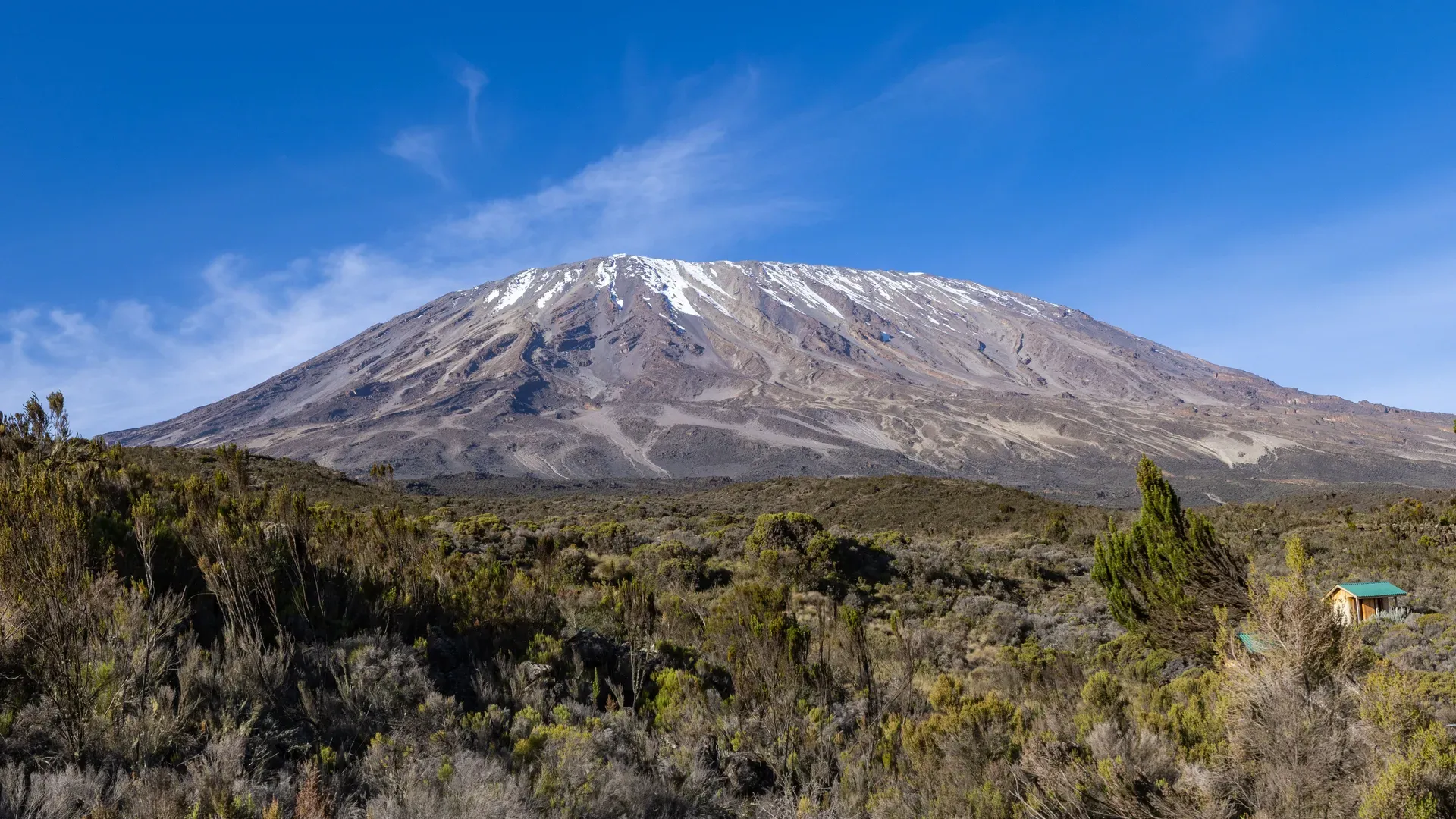
Ascend 5,895 meters through five distinct climate zones, moving from dense rainforests filled with colobus monkeys to the glaciated summit of Uhuru Peak. The multi-day trek requires no ropes or technical gear, but you'll need serious endurance to push through the freezing pre-dawn hours for a sunrise view above the clouds.
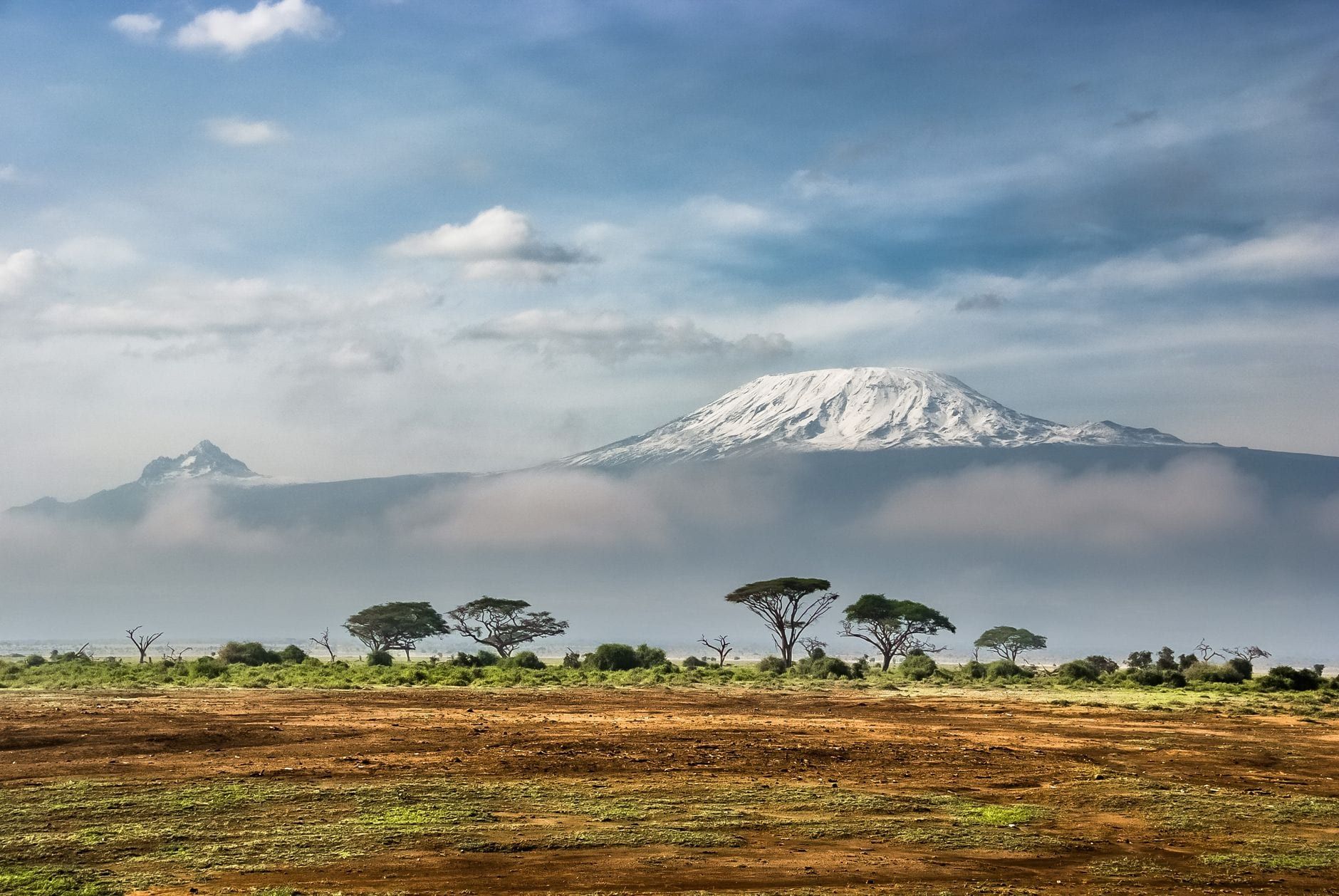
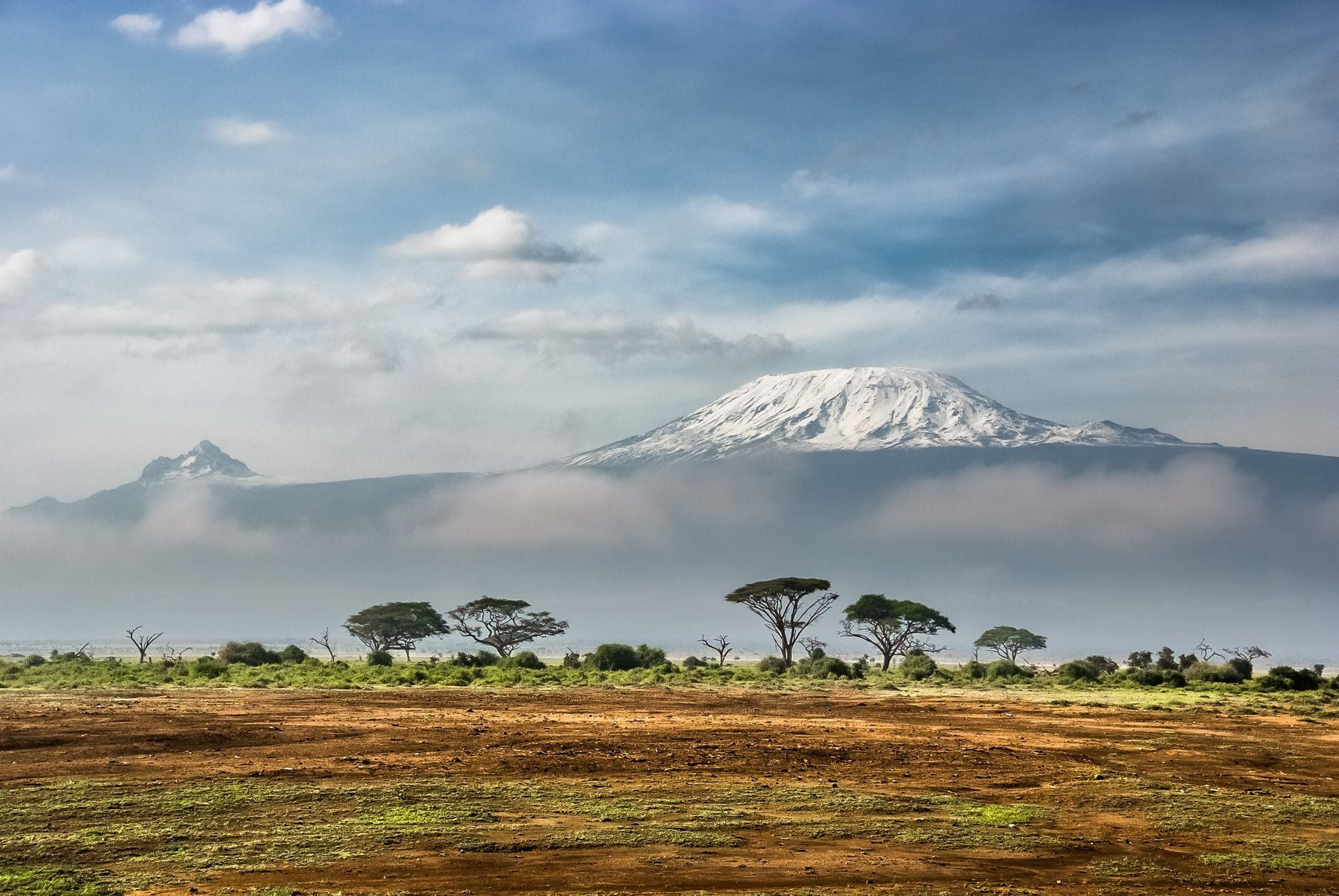
Find Guided ToursMount Kilimanjaro is a dormant stratovolcano in northeastern Tanzania, peaking at 5,895 meters above sea level near the Kenyan border. It's the tallest peak in Africa and the highest freestanding mountain on Earth. Instead of forming part of a continuous range, it rises straight out of the surrounding plains. The mountain consists of three distinct volcanic cones. Kibo is the highest and contains the 19,341-foot Uhuru Peak, while Mawenzi and Shira make up the rest of the structure.
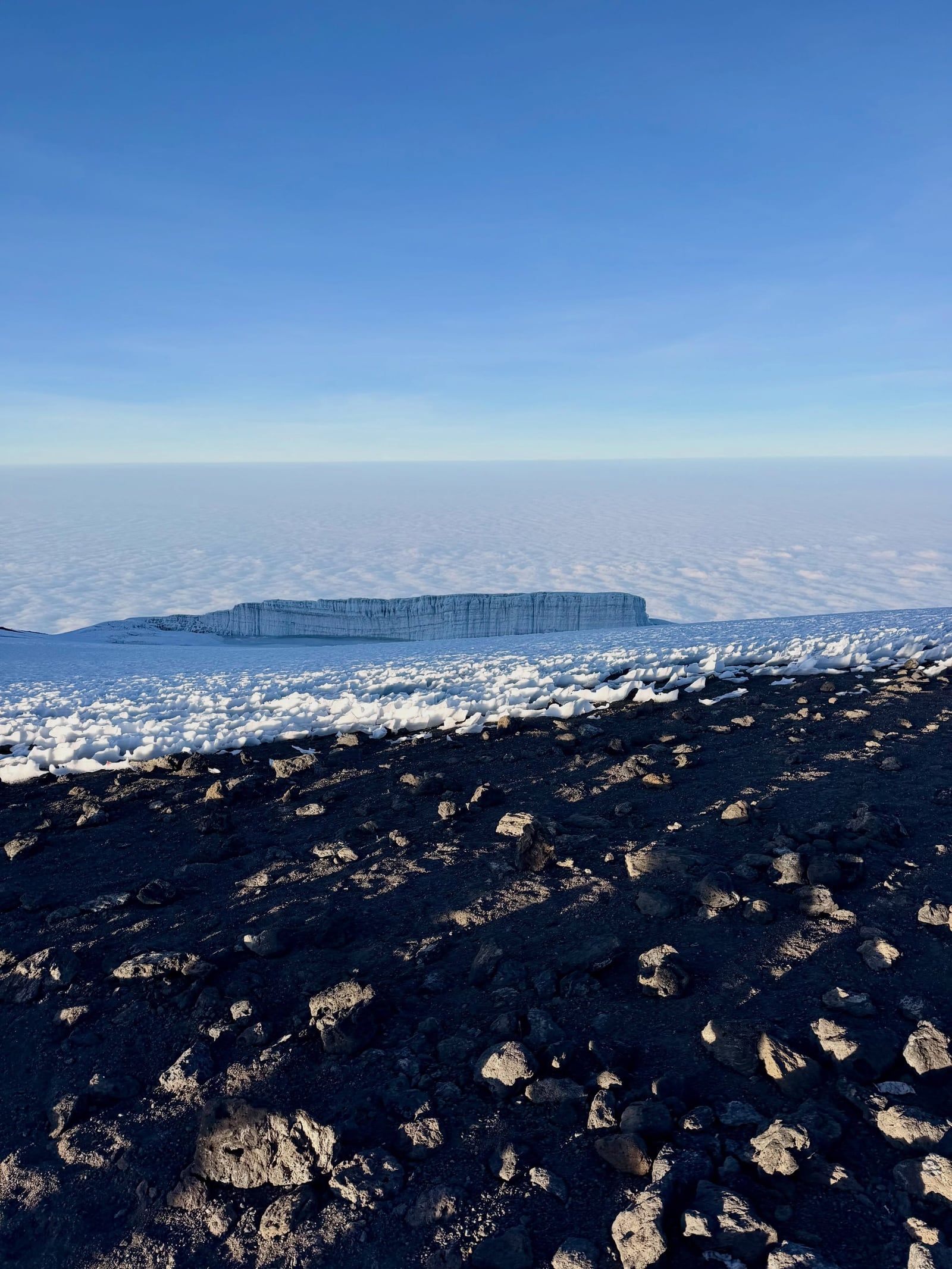
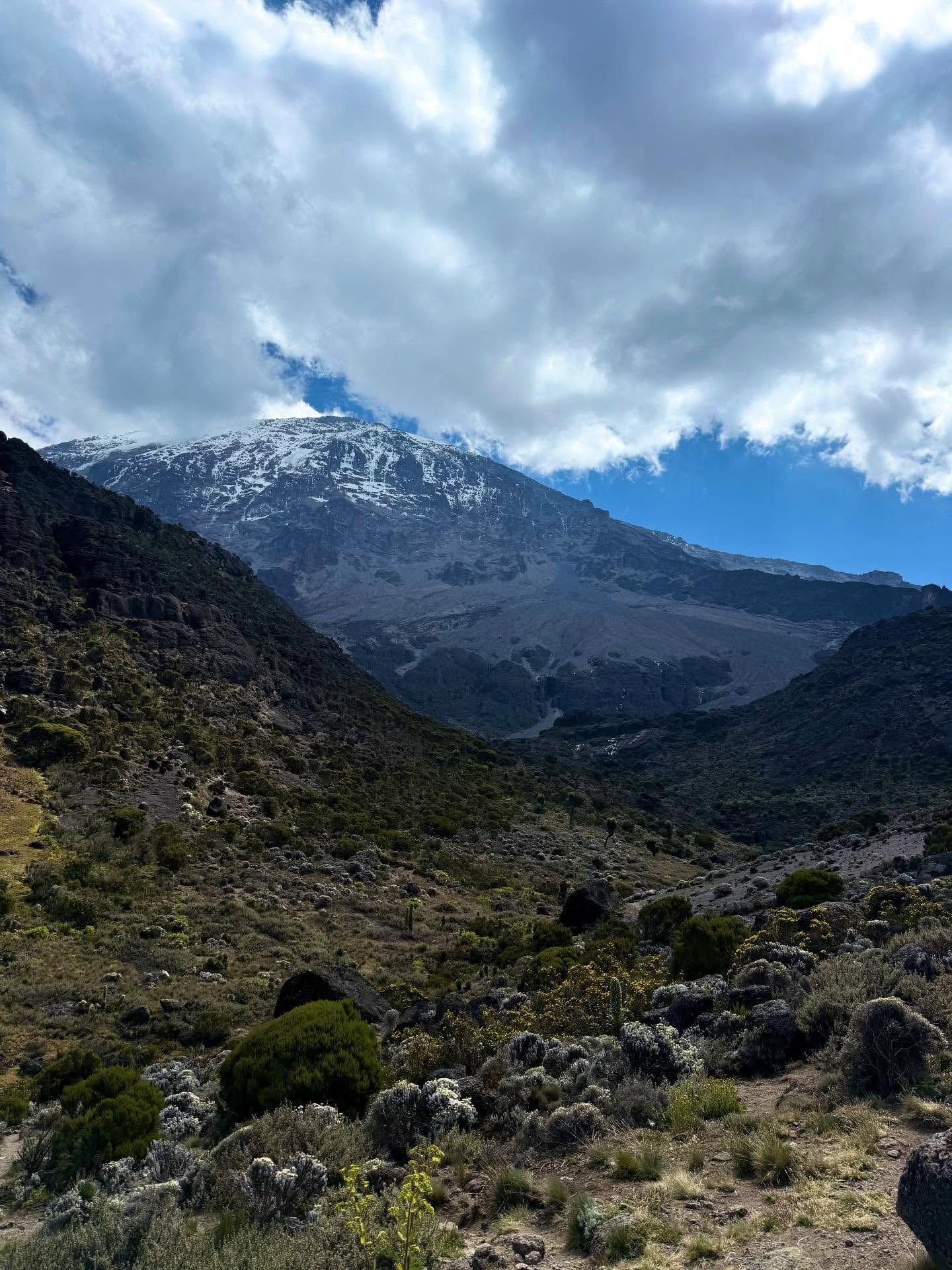
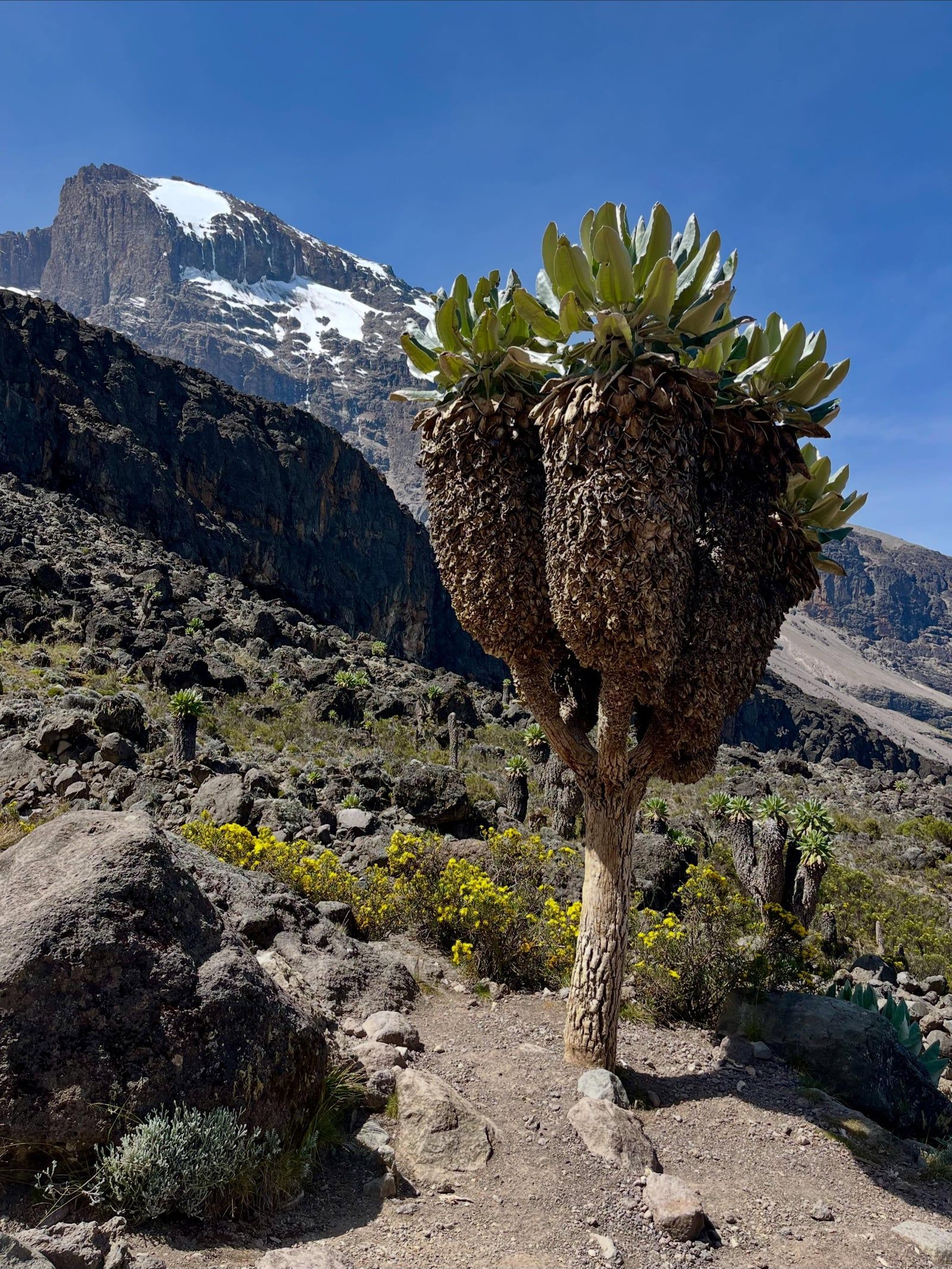
Climbing the mountain means walking through five distinct climate zones in a matter of days. The base starts in cultivated bushland before transitioning into dense rainforest, then heath and moorland. Higher up, the terrain turns into an alpine desert. The final stretch is an arctic summit zone. Small remnants of ice, like the Furtwängler Glacier, still cling to the crater rim, though they're shrinking rapidly due to climate change.
Local Chagga communities have lived on the mountain's fertile lower slopes for centuries. Johannes Rebmann, a missionary and explorer, recorded the first European sighting of the peak in 1848. Count Samuel Teleki tried to climb it in 1887 but stopped at the snowline. The first recorded summit success happened on October 6, 1889, when German geographer Hans Meyer and Austrian mountaineer Ludwig Purtscheller reached the top of Kibo.
The area gained protection as a forest reserve in 1921. It became a 1,688-square-kilometer National Park in 1973 and opened to the public four years later. In 1987, the park was inscribed as a UNESCO World Heritage Site. Today, tens of thousands of trekkers arrive annually to attempt the physically demanding walk to the top. If you plan to join them, book a route of at least seven days to safely handle the altitude.
Discover the full history and cultural significance on our About page.
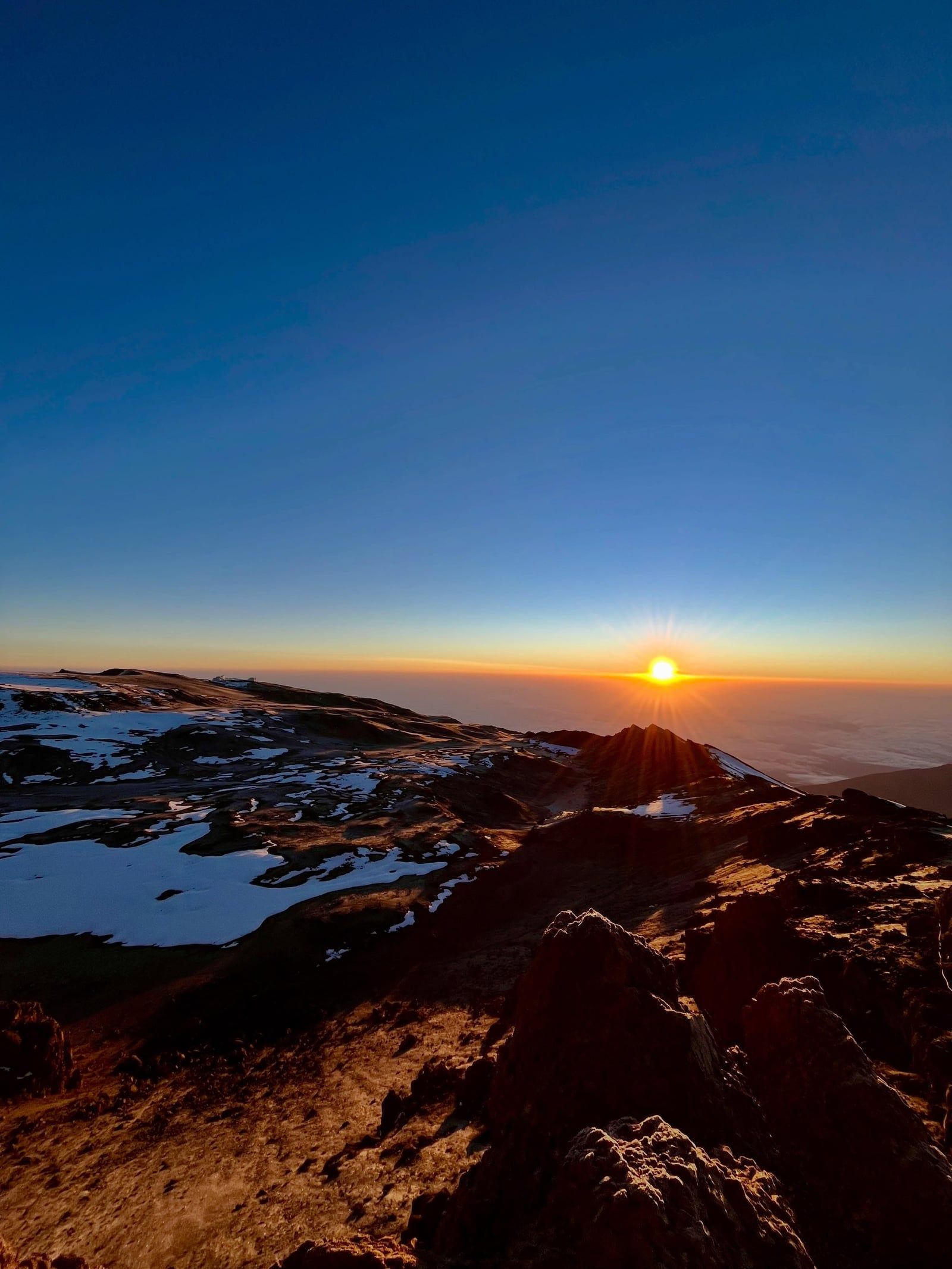
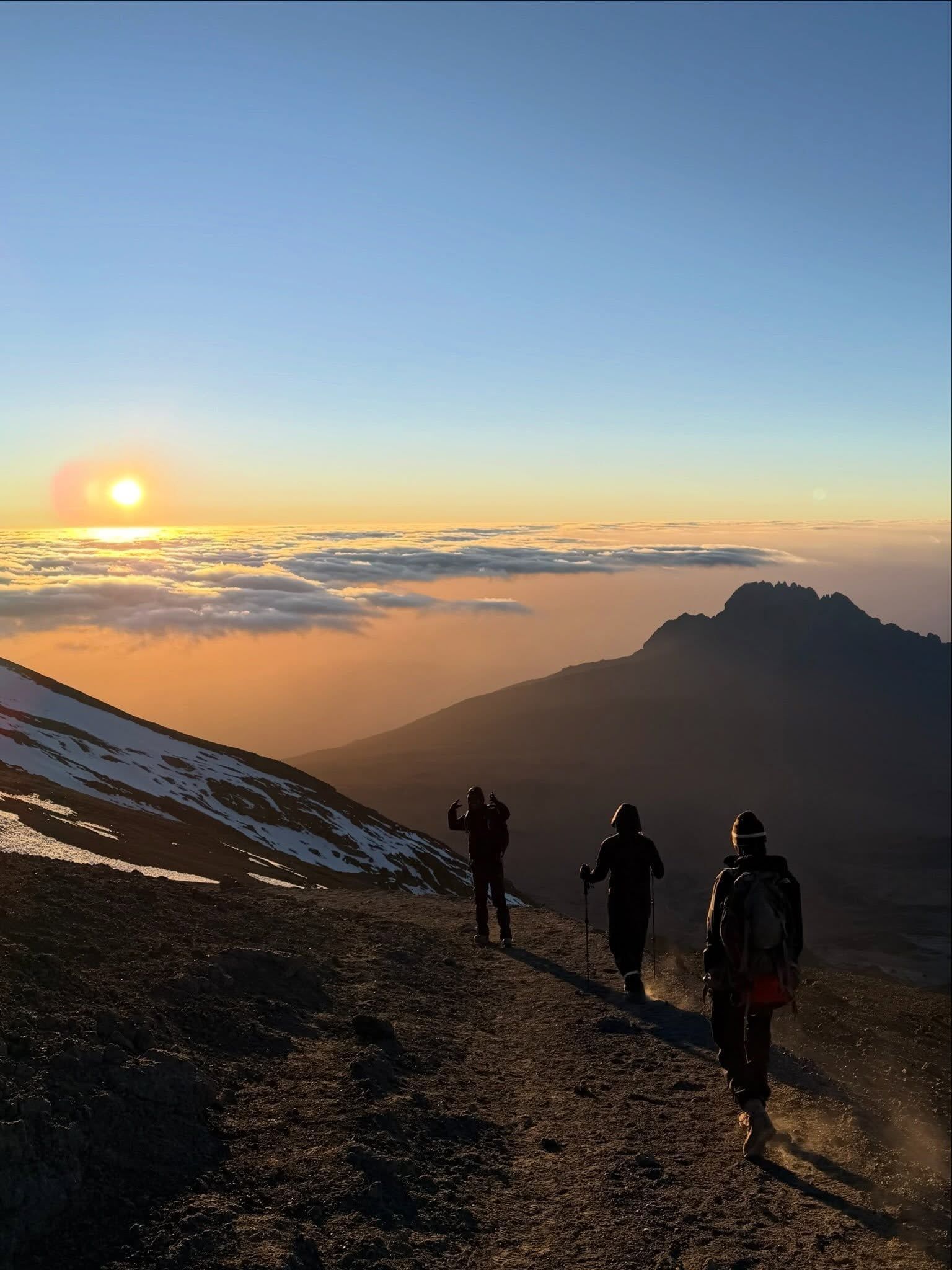
Trekkers push through the night from Barafu or Kibo Camp to reach the 5,895-meter summit by dawn. Standing at the top, you look down on a solid sea of clouds. The horizon bends slightly, showing the earth's shadow. It marks the end of the climb.
This 260-meter near-vertical rock face on the Machame and Lemosho routes requires a hand-over-hand climb. The ascent takes one to two hours. It requires no technical gear, just steady footing. When you reach the top, you get clear views back over the Barranco Valley.
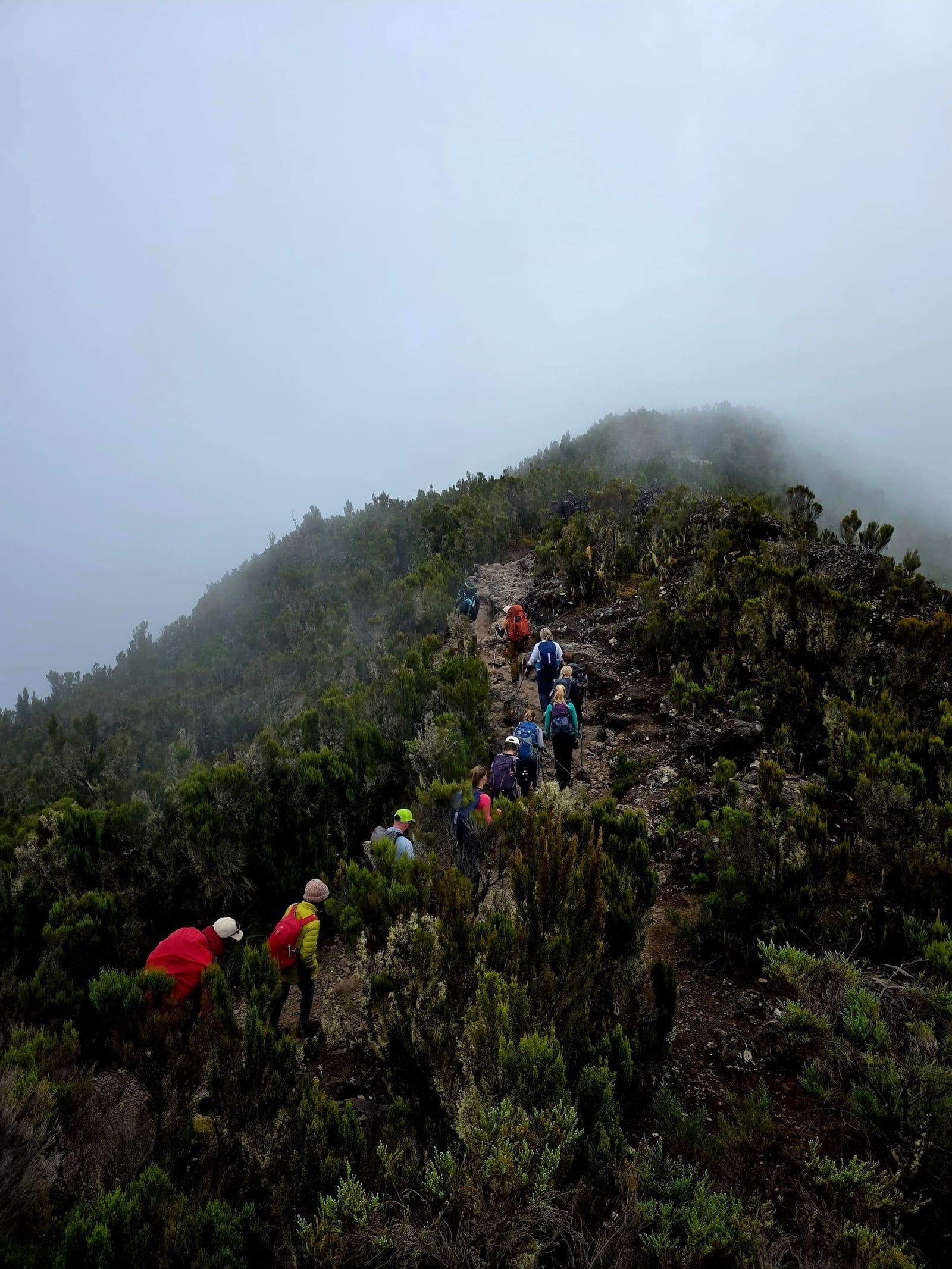
Between 1,800 and 2,800 meters, routes like Marangu and Machame cut through dense jungle. Old man's beard moss hangs heavily from the canopy. Keep an eye on the branches above. Colobus and blue monkeys frequently move through the trees in this lower section of the mountain.
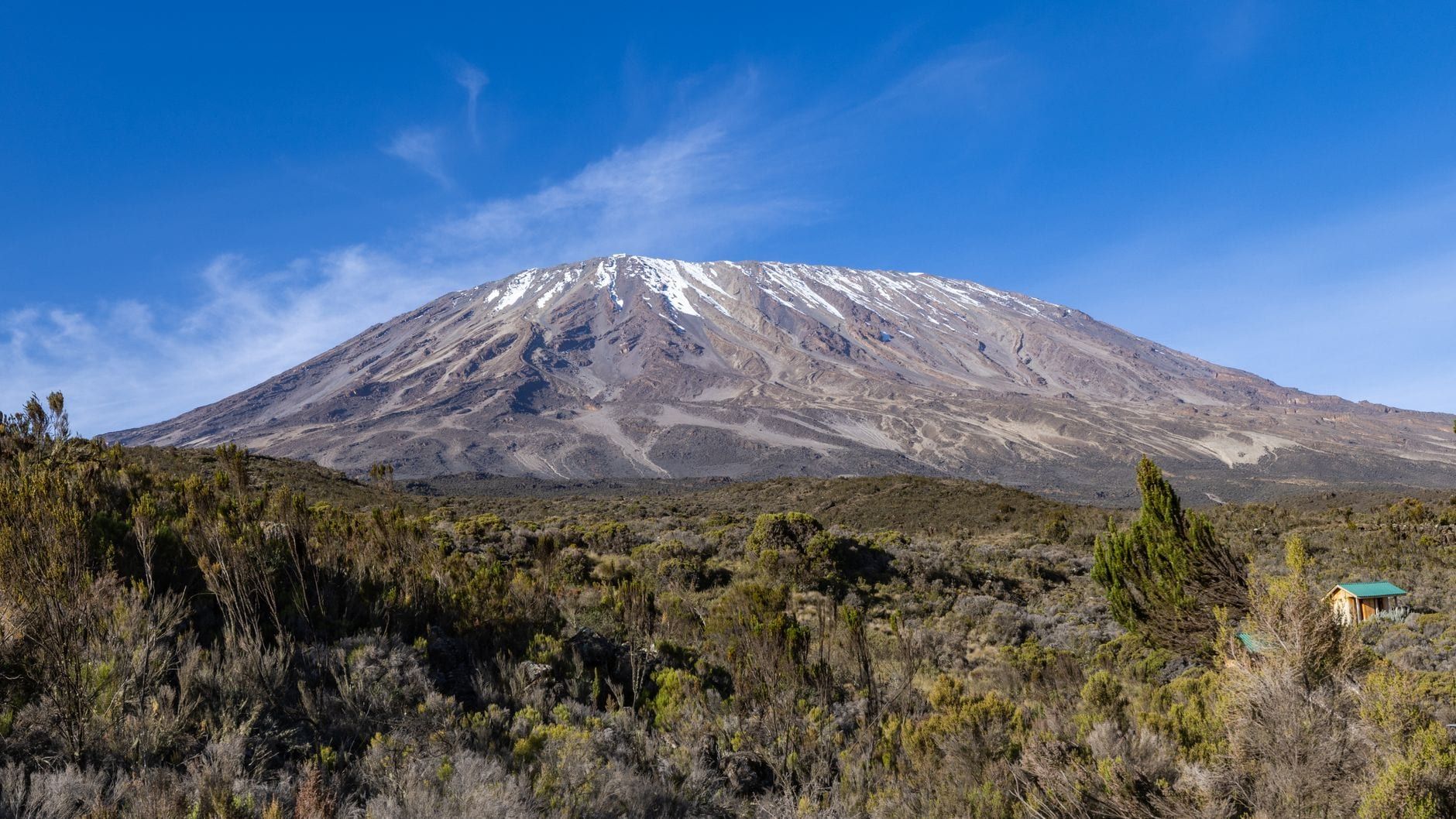
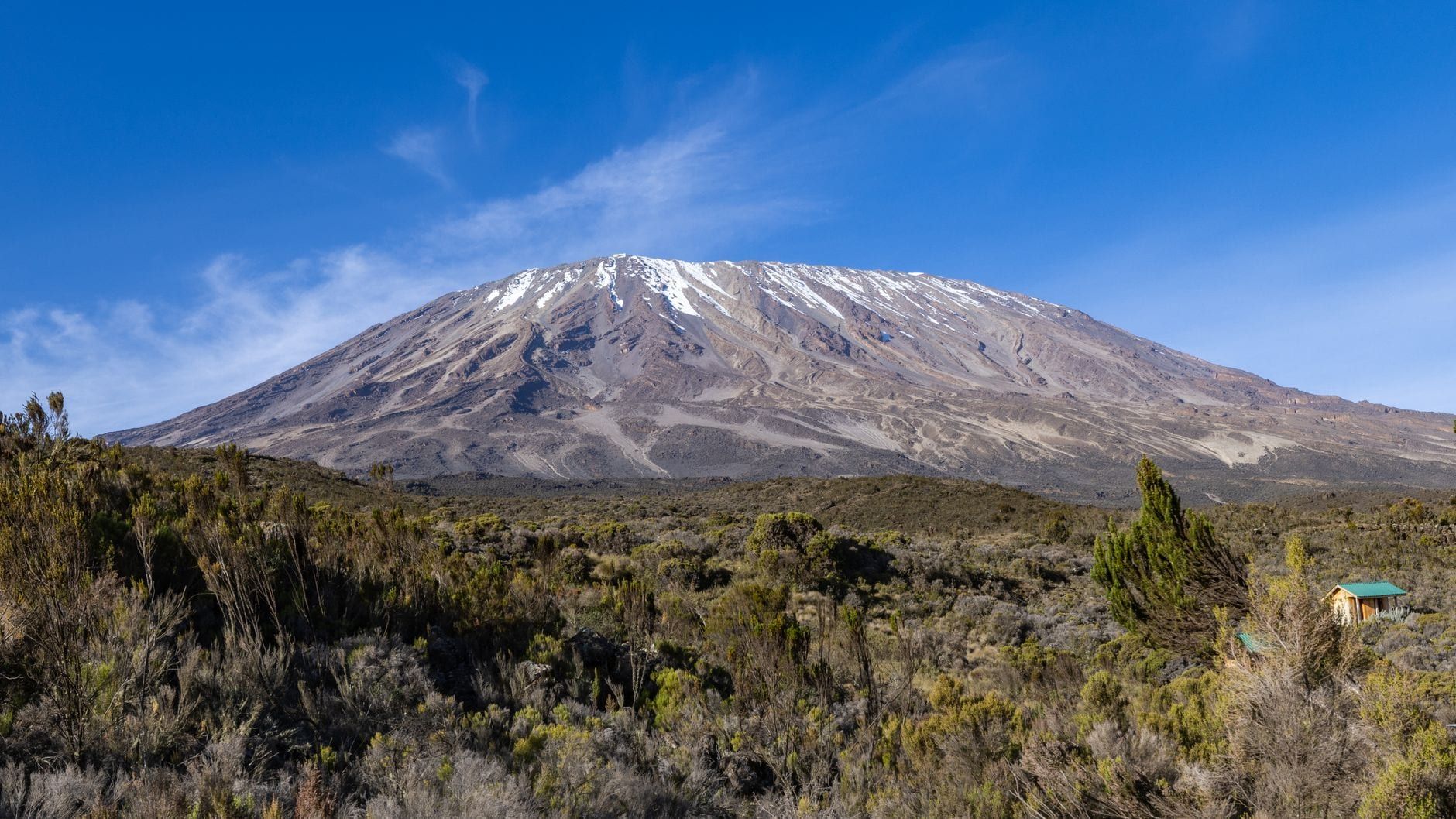
At roughly 4,000 meters, the Lemosho route opens onto a massive volcanic caldera floor. This high-altitude moorland provides a wide, flat stretch with direct, unobstructed views of Kibo's summit cone. Hikers occasionally spot tracks left by eland or buffalo crossing the dusty ground.
Choose a guided climb starting at $80, with free 24-hour cancellation and hotel pickup in Arusha or Moshi.
Swipe to see more
 Free Cancellation 9h
  Free Cancellation 10h 30min
  Free Cancellation 8h
  Free Cancellation 9h 30min
 The dry seasons from January to early March and June to October offer the safest climbing windows. You get stable weather, clear skies, and the highest summit success rates.
September and October provide clear skies and high success rates. But by the first week of November, unpredictable short rains arrive and the wet season transition begins.
January and February are prime dry season months with highly stable weather. Skies stay clear, making these weeks a reliable target for a summit push.
Early March is safe, but April and May bring the long rainy season. Trails turn to mud, visibility drops, and summit success rates fall 20 to 30 percent below average.
June opens the long dry season. July and August follow with minimal rainfall and particularly high visibility, giving climbers the most reliable conditions on the mountain.
Park gates open daily from 6:00 to 6:30 AM and shut 12 hours later. Night entry is forbidden unless you're already registered and sleeping on the mountain. Start your first day at the gate between 7:00 and 10:00 AM. That leaves enough time for passport checks, permit validation, and the mandatory porter weigh-ins before you hit the trail.
| Category | Price |
|---|---|
| Foreign Adult Conservation Fee | $70 per person, per day |
| Foreign Child (5–15) Conservation Fee | Roughly $20 per person, per day |
| Camping Fee (All routes except Marangu) | $50 per person, per night |
| Hut Fee (Marangu route only) | $60 per person, per night |
| Rescue Fee | $20 per person, per climb |
| Children under 5 Conservation & Camping | Free (Hut and rescue fees still apply) |
Independent trekking is illegal. You have to book through a licensed Tanzanian tour operator, who will collect these fees and pay TANAPA in advance. Expect an 18% VAT on top of most tariffs. A standard seven-day climb usually runs $900 to $1,200 just in park fees before factoring in guides, food, or gear. East African citizens and residents pay substantially lower rates in Tanzanian shillings.
For complete schedules and ticket prices, visit our Hours & Fees page.
Kilimanjaro International Airport is your primary gateway, sitting midway between the two main trekking base towns of Moshi and Arusha. From there, your licensed tour operator handles the drive to the park's entry gates.
📍 Kilimanjaro Region, Tanzania (roughly 300 km south of the equator)
Kilimanjaro International Airport (JRO) is the main entry point for climbers. Direct and connecting flights arrive daily from hubs like Amsterdam, Doha, Istanbul, Addis Ababa, and Nairobi. It dwarfs the small domestic airstrips in Moshi and Arusha. Most travelers fly in here before transferring to their chosen base town. Book your arrival for at least a day before your trek starts.
The airport sits in open countryside roughly halfway between Moshi and Arusha. Moshi is closer, lying 45 kilometers away where most trekking operators base their headquarters. Arusha is 70 kilometers out. That city works best if you plan to add a northern-circuit safari. Catch a private taxi or shared shuttle outside the terminal.
Your trekking company drives you from Moshi to one of the six official park gates. Distances vary wildly. The southern Marangu and Machame gates take under an hour on paved roads. Reaching the western Lemosho or Londorossi gates requires a rough three to four-hour ride over unpaved 4x4 tracks. The northern Rongai gate sits about two hours away.
Arusha is a common alternative base for climbers heading to the Serengeti or Ngorongoro. Operators pick you up directly from your hotel. The drive follows the same path toward the mountain but starts further west. You will add roughly 60 to 70 kilometers to your morning transit time. Expect an early start to reach the gate for mandatory porter weigh-ins.
For detailed transport options and routes, visit our Directions page.
Rushing the climb usually leads to failure. Five-day routes like Umbwe drop success rates as low as 27 percent. Choose a seven- to nine-day itinerary like Lemosho or the Northern Circuit instead. You'll get better acclimatization and push your chances of reaching the summit above 85 percent.
Base gates sit in tropical 30°C heat, but summit night is a different world. Temperatures at Uhuru Peak frequently drop below -20°C. Bring a sleeping bag rated for extreme cold and plenty of hand warmers. You'll also need a headlamp with spare batteries for the pre-dawn final push.
Independent climbing is illegal on Kilimanjaro. You must book through a licensed Tanzanian operator who handles your permits and fees. Before paying, verify the company follows Kilimanjaro Porters Assistance Project guidelines. This ensures your crew gets fair treatment and respects the 20-kilogram legal weight limit for loads.
Standard travel insurance won't cover this trek. Most policies exclude altitudes above 4,000 meters, and Kilimanjaro reaches 5,895 meters. Buy a comprehensive plan that specifically covers high-altitude trekking and emergency helicopter evacuation. If severe altitude sickness hits, Kilimanjaro SAR operates helicopter rescues out of Moshi.
Don't fly in on the morning of your trek. Get to Moshi or Arusha at least one day prior to rest and complete gear checks. Gate check-ins happen between 7:00 and 10:00 AM. You'll need that buffer for permit verification and mandatory porter weigh-ins before hitting the trail.
Tanzania's long rainy season turns the trails into deep mud. Summit success rates plummet during peak rain in mid-April. Book your climb between June and October or January to early March. July and August are the absolute best months for clear skies and minimal rainfall.
This compact park features Mount Meru and the Momella Lakes. You'll spot giraffes, flamingos, and buffalo here. It makes an easy day trip before your trek.
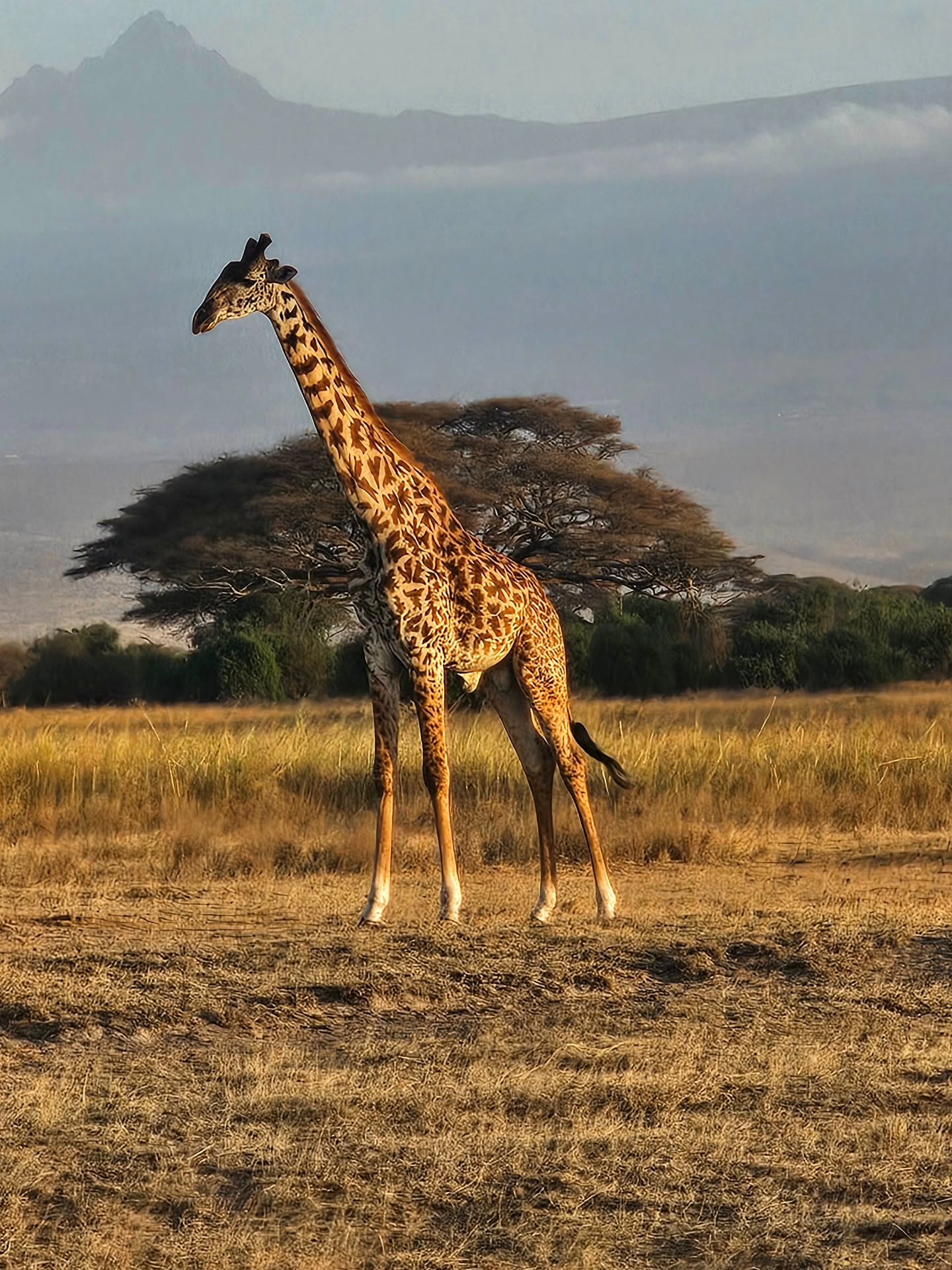
Cross the border to see large elephant herds and black rhinos. The flat savannah provides the clearest views of Kilimanjaro's snow-capped summit.
A massive intact volcanic caldera holds a dense concentration of lions, elephants, and black rhinos. Add this to your itinerary for a classic northern-circuit safari experience.
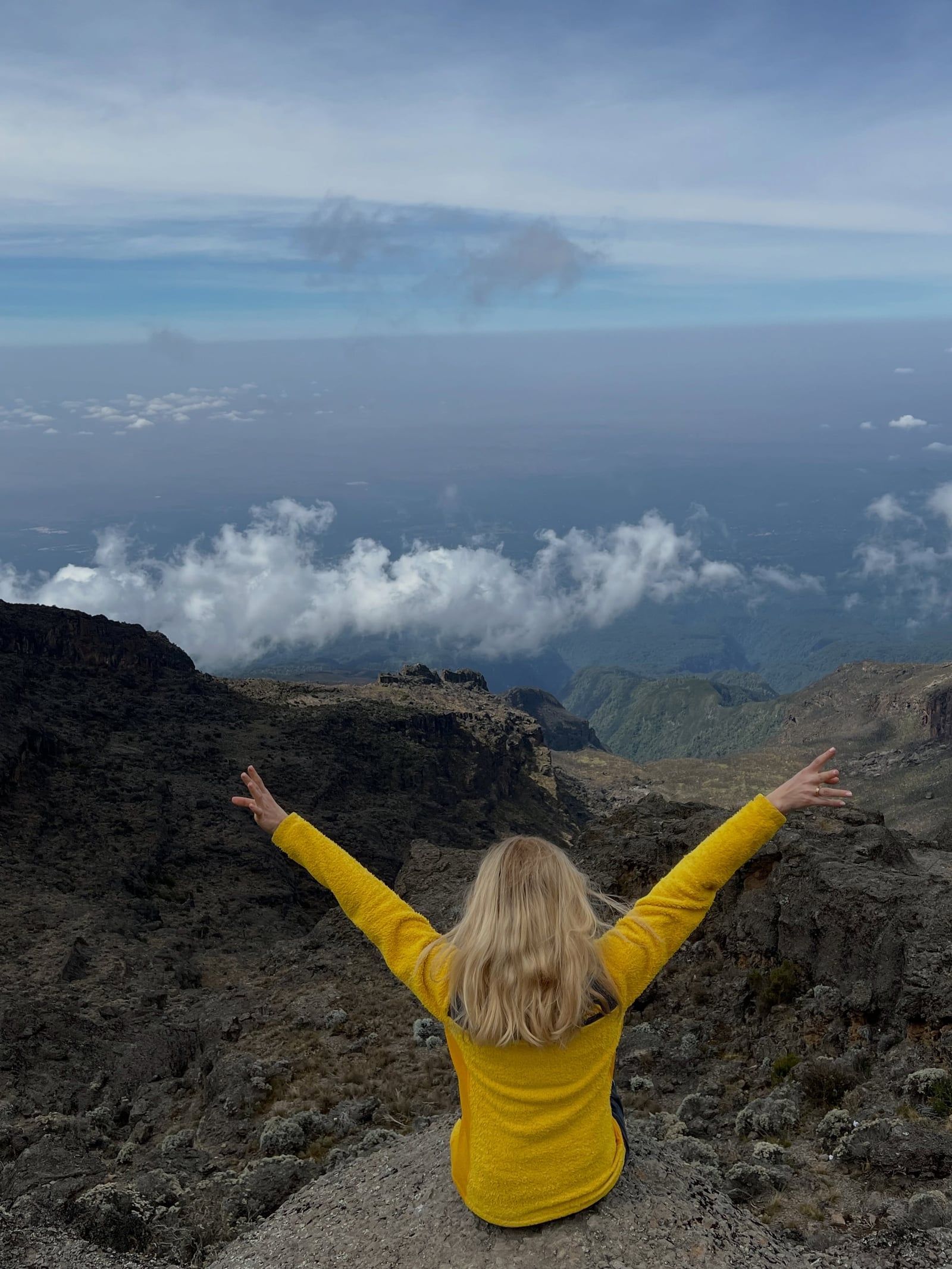
Read what travelers share about their experience visiting Mount Kilimanjaro — from practical tips to personal highlights.
Planning advice, comparisons, and practical tips.
A guided Kilimanjaro climb costs $1,500 to $7,000 or more per person, though most reputable operators land between $2,200 and $3,500 for a solid…
Machame is the busiest of Kilimanjaro's trekking routes, climbing the mountain's southern flank for roughly 62km (38 miles) round trip between…
The Lemosho route climbs Kilimanjaro from the west, starting at Londorossi Gate and crossing the Shira Plateau before joining the Machame path near…
The Northern Circuit is the longest way up Kilimanjaro and the newest official route on the mountain. It shares its first two days with the Lemosho…
Expect to pay between $2,000 and $4,000 for a full trek including guides, food, and gear. Park fees alone account for $900 to $1,200 on a standard seven-day route. This covers your $70 daily conservation fee, nightly camping or hut charges, and a $20 rescue fee.
No. Independent climbing is illegal on Kilimanjaro. You must book your trek through a licensed Tanzanian tour operator who provides certified guides and a support crew.
Aim for the dry seasons between January and early March, or June through October. July and August offer the clearest skies and lowest rainfall. Skip April and May entirely, as heavy rains turn trails muddy and drop summit success rates to around 20 to 30 percent.
Most climbers take six to eight days. While you can technically finish the Marangu or Umbwe routes in five days, the lack of acclimatization time drops success rates to 27-45 percent. Booking a longer seven-to-nine-day itinerary pushes your chances of reaching the top past 85 percent.
Fly into Kilimanjaro International Airport (JRO), which sits roughly halfway between the base towns of Moshi and Arusha. From the airport, a $50 private taxi takes about 45 minutes to reach Moshi. Tour operators then drive you from town to your specific park gate, which takes anywhere from 45 minutes to four hours.
You need a highly adaptable layering system to handle extreme temperature swings. Base gates often hit 30°C in tropical heat, while the summit push can drop to -20°C with high winds. Bring sturdy waterproof hiking boots, an insulated jacket, gloves, and a sleeping bag rated for extreme cold.
Yes, though it requires extensive planning and a large support crew. Adaptive climbers typically use specialized all-terrain wheelchairs on the Marangu Route, which features smoother trails and wooden hut accommodations. Wheelchair users are advised to avoid technical sections like the 260-meter Barranco Wall.
The minimum legal age to climb is 10 years old, a rule strictly enforced at all park gates. Climbers under 16 usually need written consent from a parent or guardian. There's no official upper age limit, but elderly trekkers should book longer routes to help with gradual altitude adjustment.
Browse verified tours with free cancellation and instant confirmation.
Find Tours


