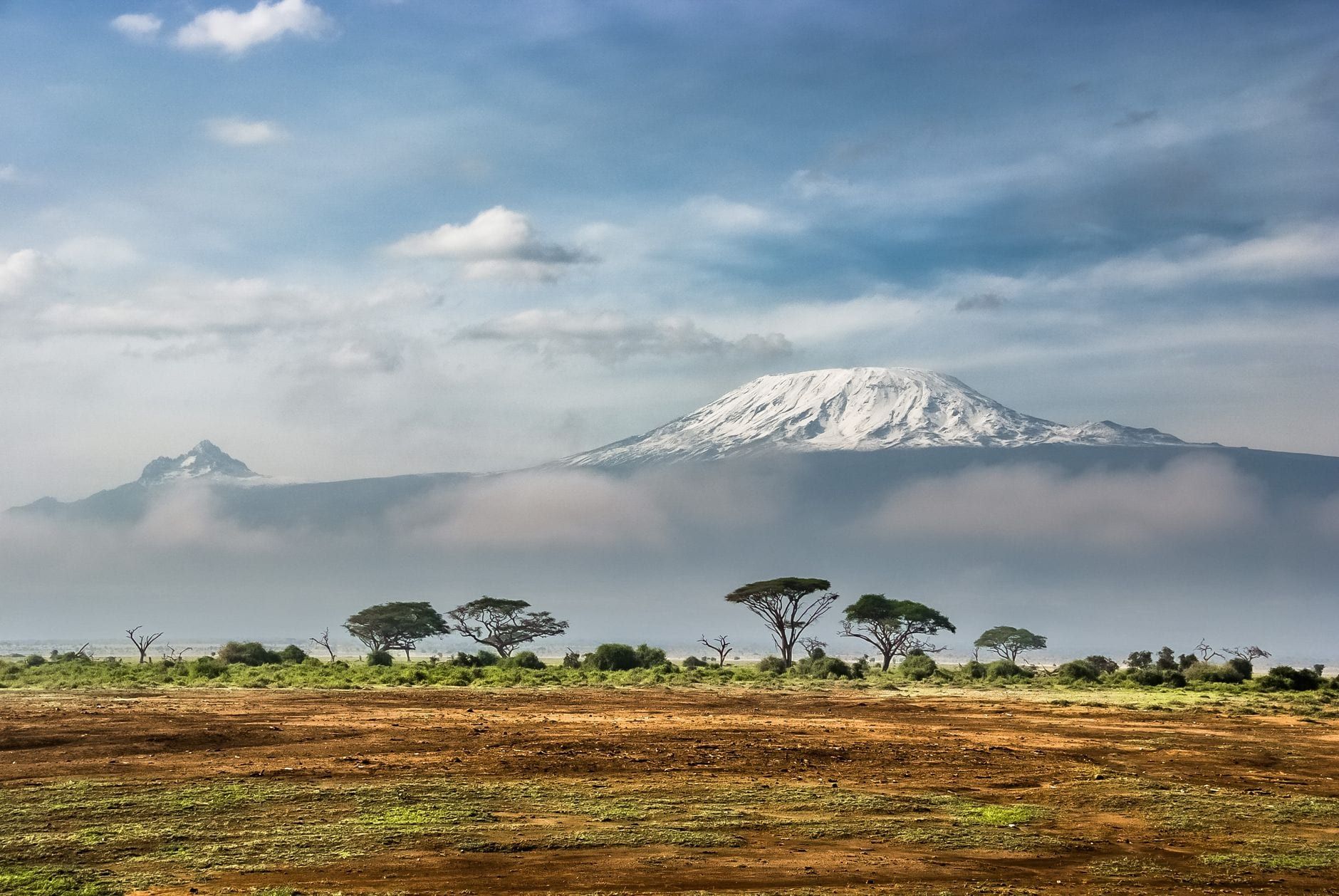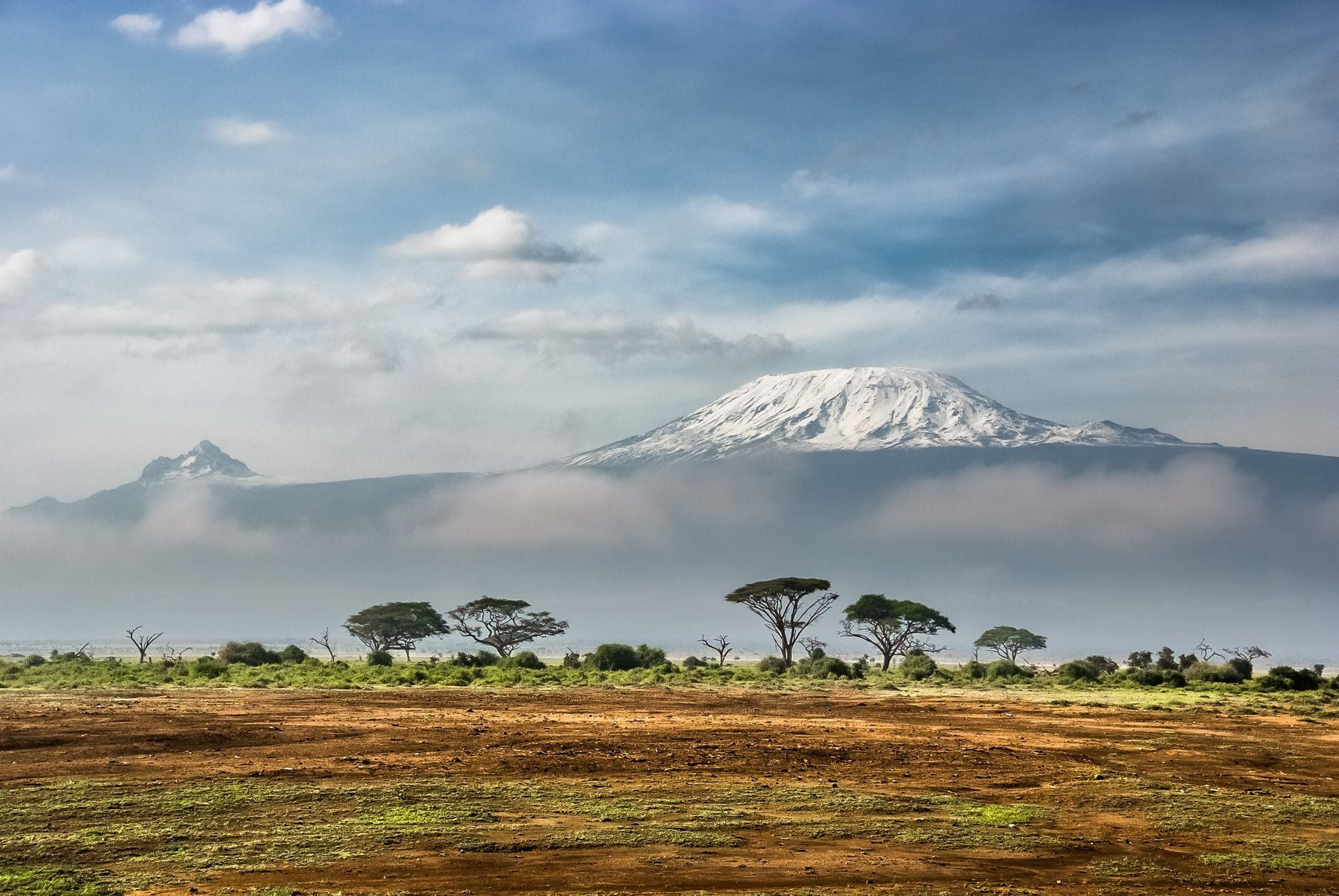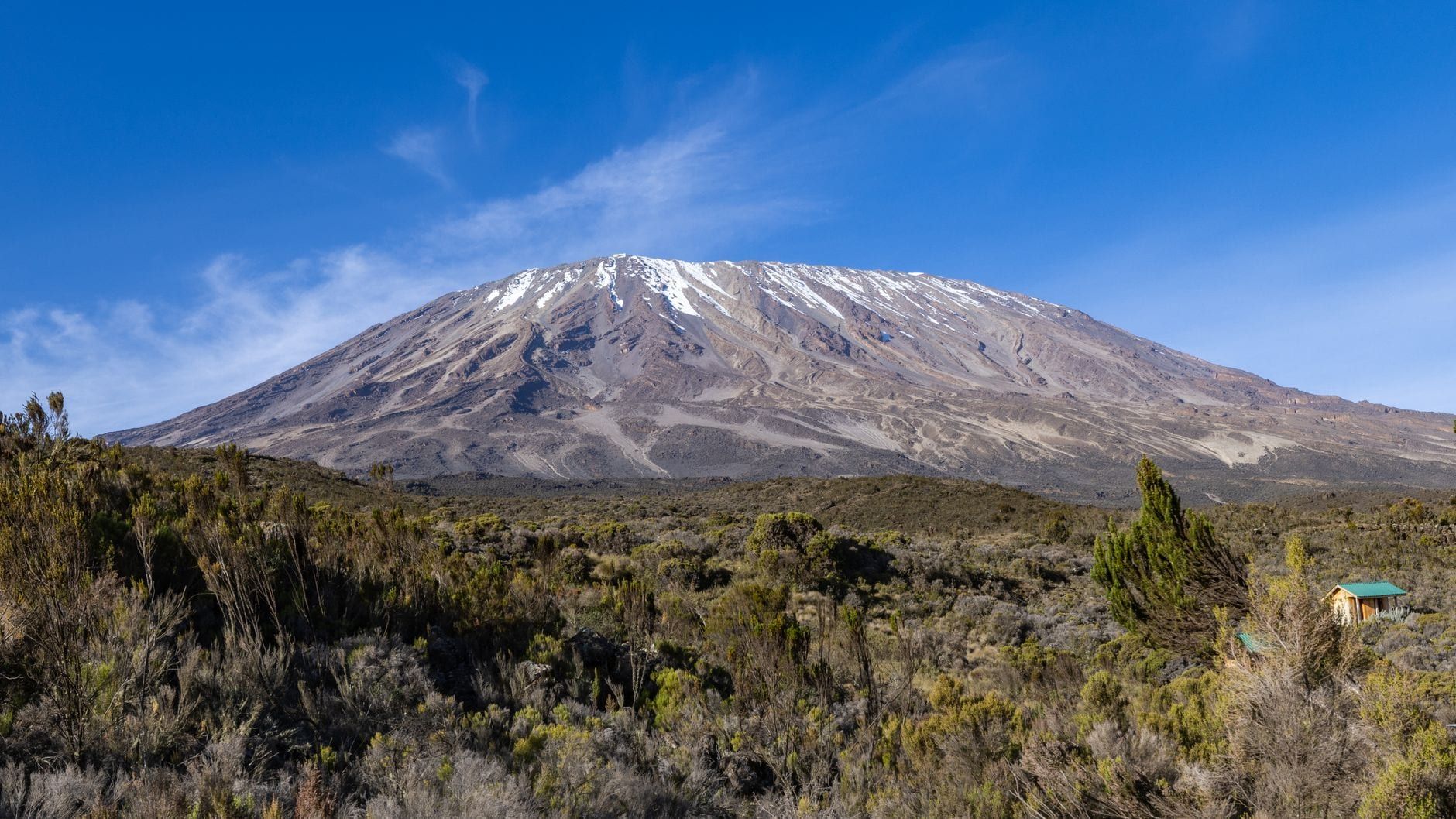
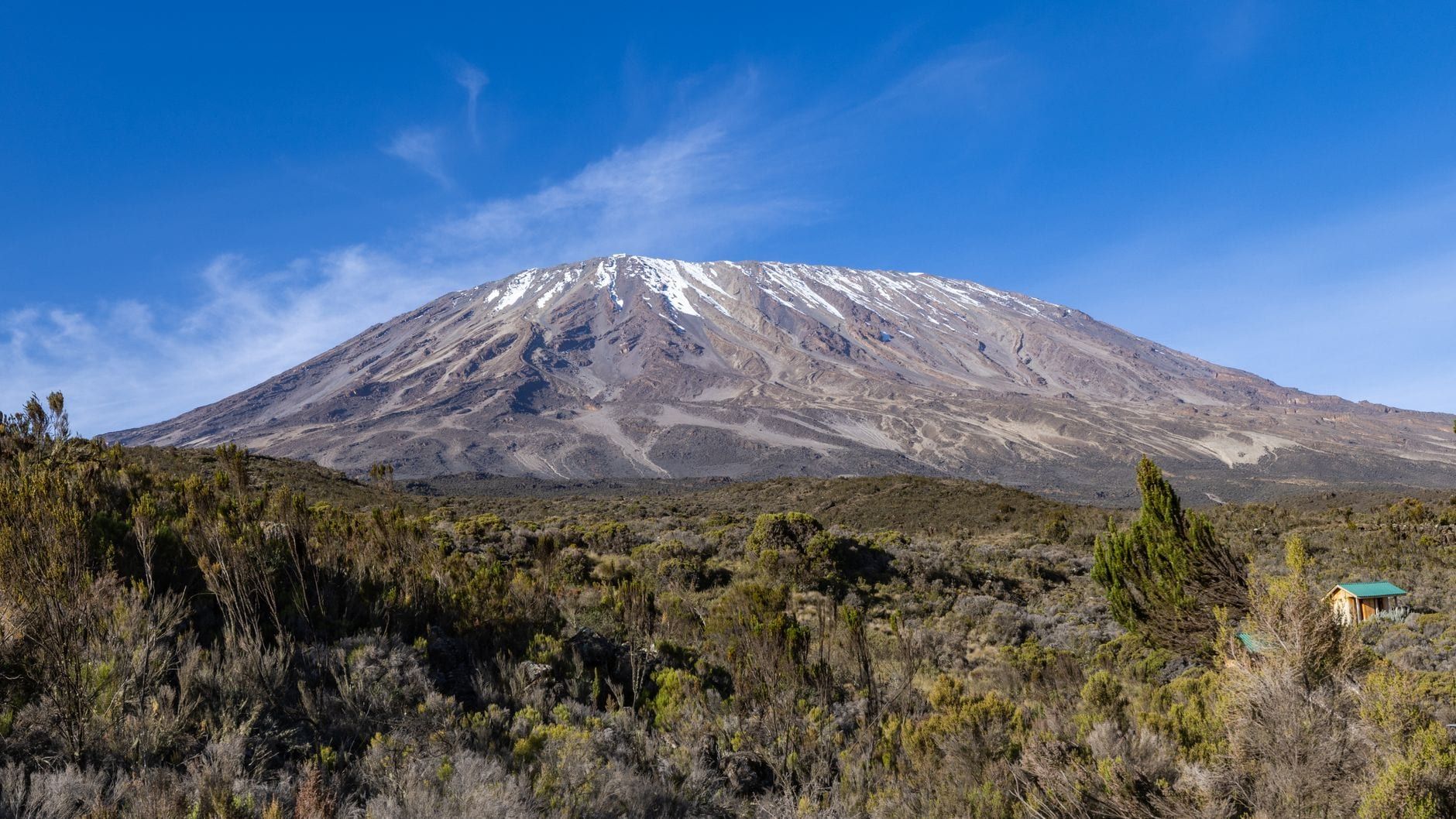
The Lemosho route climbs Kilimanjaro from the west, starting at Londorossi Gate and crossing the Shira Plateau before joining the Machame path near Lava Tower. It's the longest of the standard approaches at roughly 70 km (43 miles) gate to gate, with about 16,000-17,000 feet of total elevation gain packed into six to nine days on the mountain. Guides and repeat climbers tend to name it the most scenic way to the summit, and the extra days give your body more time to adjust before the final push to Uhuru Peak.
That extra time comes at a cost. Lemosho climbs run longer and pricier than Marangu or standard Machame departures, but the payoff is a quieter start, four distinct climate zones, and some of the stronger summit-success numbers on the mountain. Here's the itinerary breakdown, a day-by-day look at the standard 8-day trek, real costs, and how Lemosho compares to Kilimanjaro's other routes.
What Is the Lemosho Route?
Lemosho began as an extension of the older Shira route, pushed further west to Londorossi Gate so climbers get an extra day or two of rainforest walking before reaching the plateau. It's a western approach: the drive from Moshi to the trailhead takes three to four hours, partly on unpaved road (see transport options to the mountain), longer than the 45-minute drive to the Machame or Marangu gates. From the gate at around 2,100 m, the trail runs through rainforest, then heath and moorland, then alpine desert, before the arctic zone near the summit — four ecological belts in one trek.
Lemosho merges with the Machame route near Lava Tower on day four, then follows the same path across the Barranco Wall before the final climb from Barafu Camp. Descent is via the Mweka trail on the southeast slope, a landscape entirely different from the ascent side. Ask a dozen guides which route they'd pick for a first-timer with the days and budget to spare, and most will say this one — the western start keeps the first few days quieter than Machame, and the added distance means a gentler daily climb rate. It suits trekkers who want the scenery and the odds, not the fastest or cheapest way up.
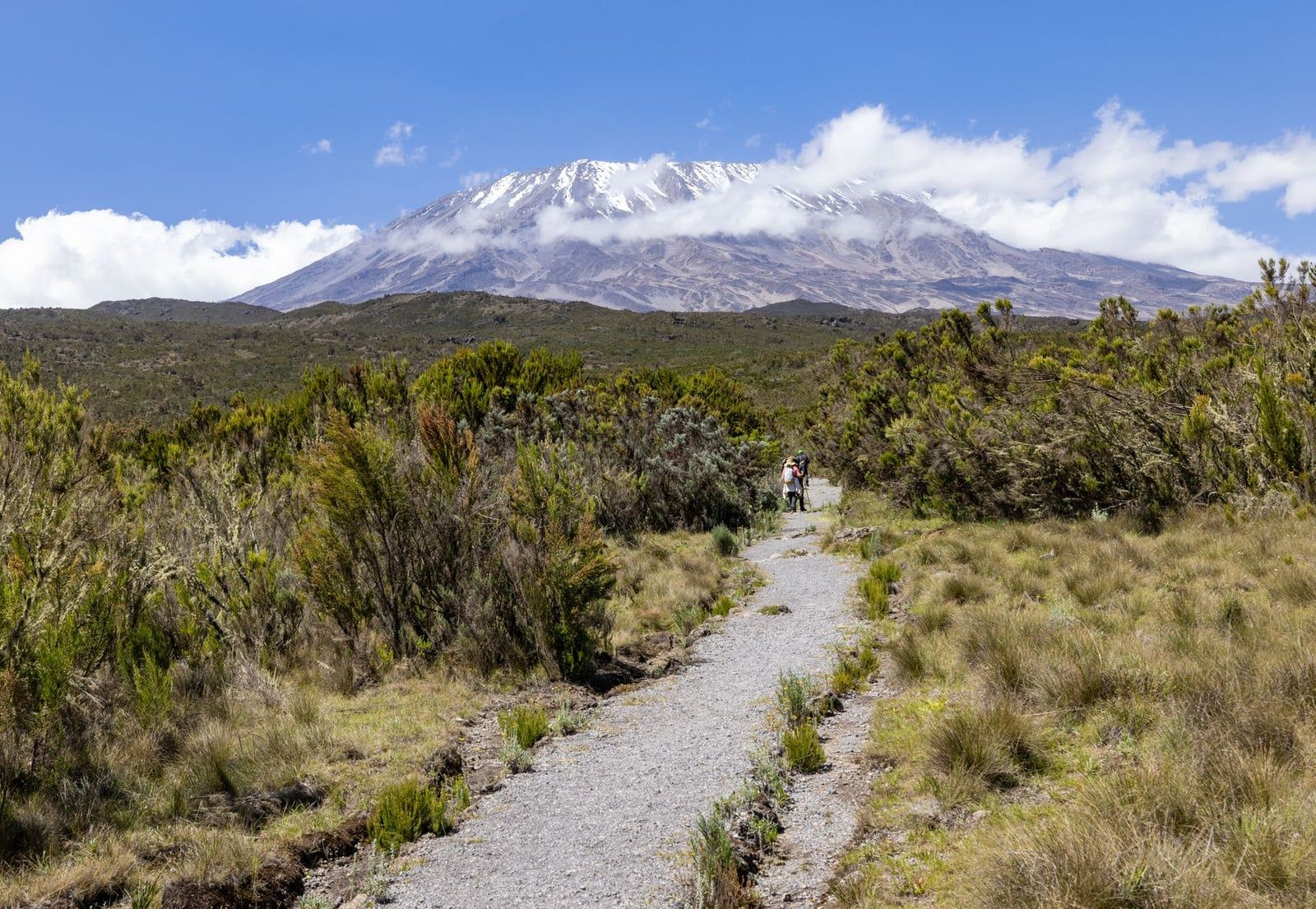
Lemosho Route Itinerary Options: 6, 7, 8, and 9 Days
Lemosho is sold in four lengths, and the extra days buy acclimatization time rather than extra distance.
6-Day Lemosho
Six days is the minimum workable schedule, built for climbers who've already handled altitude somewhere else. It compresses the acclimatization days, so operators generally reserve it for fit, experienced trekkers rather than first-timers testing the mountain.
7-Day Lemosho
The seven-day version drops one of the acclimatization nights at Moir Hut, tightening the middle of the trip. It's a workable middle ground for reasonably fit climbers on a tighter schedule — popular enough that one major operator reports over half of its Lemosho clients choose it.
8-Day Lemosho (Standard)
Eight days, seven nights, is the itinerary most guiding companies recommend by default. The extra day goes to acclimatization at Moir Hut or Karanga Camp, giving the body more time at altitude before summit night. For anyone climbing Kilimanjaro for the first time, this is the version worth booking.
9-Day Variations
Two nine-day options extend the trip further. The daytime summit variation times the final push for daylight hours instead of the usual pre-dawn departure, trading tradition for better visibility and warmer conditions. The crater camp variation pitches a high camp inside Kibo's crater at around 18,865 ft (5,750 m) for a rare night that close to the top — it only runs as a private climb, since sleeping that high carries real altitude risk. Climbers wanting that route to themselves should look at private climb options rather than a joined group departure.
Day-by-Day Lemosho Route Itinerary (8-Day Standard)
Here's what the classic eight-day schedule looks like on the ground, day by day.
Day 1: Londorossi Gate to Mti Mkubwa
The trek starts at Londorossi Gate (2,100 m) and climbs about 6 km through dense rainforest to Mti Mkubwa camp at 2,895 m, a three- to four-hour walk. Expect mud underfoot if it's rained recently, and the first real taste of the mountain's noise — birdsong, the odd rustle of a colobus monkey overhead.
Day 2: Mti Mkubwa to Shira 1 Camp
Day two leaves the trees behind and pushes into moorland, gaining several hundred meters to Shira 1 Camp. The forest thins to heath and scrub, and Kibo's summit cone comes into view for the first time on a clear afternoon.
Day 3: Shira 1 to Moir Hut
This is an acclimatization day across the Shira Plateau, one of the highest plateaus on earth, with the option of a short afternoon walk toward the Lent Hills to sleep a little higher before dropping back to camp.
Day 4: Moir Hut to Lava Tower to Barranco Camp
The day's high point is Lava Tower, a 4,630 m (15,190 ft) volcanic plug, followed by a descent to Barranco Camp at 3,976 m (13,044 ft) — the classic climb-high, sleep-low pattern that helps the body adjust before the altitude keeps climbing. It's a long day, but sleeping several hundred meters lower than the day's peak makes a real difference to how you feel that night.
Day 5: Barranco to Karanga Camp
The Barranco Wall comes first thing: a steep but non-technical scramble of roughly 900 ft, done hand-over-hand in places but needing no ropes or climbing gear. Beyond it, the trail rolls across ridges and valleys to Karanga Camp, a shorter day that leaves time to rest.
Day 6: Karanga to Barafu Camp
A shorter, steady climb to Barafu Camp at 4,673 m sets up for summit night. Gear gets sorted and repacked here, and most climbers try to sleep by early evening even if the excitement makes that difficult.
Day 7: Barafu to Uhuru Peak to Mweka Camp
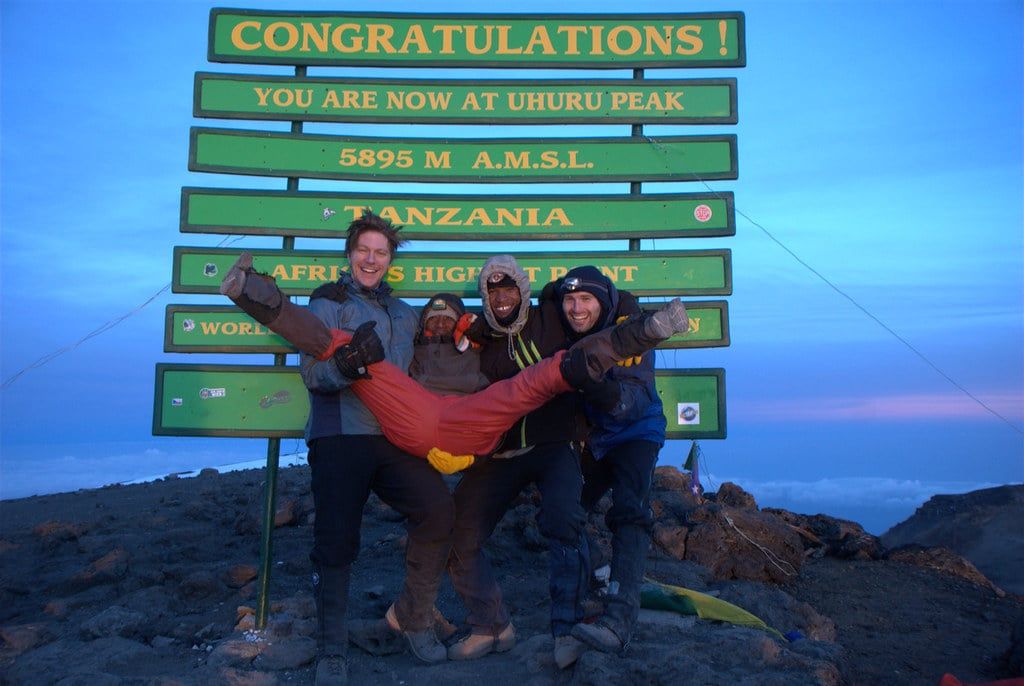
Summit night starts around midnight, climbing in the dark toward Stella Point and on to Uhuru Peak at 5,895 m (19,341 ft), six to eight hours after leaving camp. Temperatures on the crater rim can sit well below freezing before dawn. After summiting, the descent continues all the way to Mweka Camp at 3,068 m — a 12- to 16-hour day from start to finish, the hardest on the route by far.
Day 8: Mweka Camp to Mweka Gate
The final stretch drops from Mweka Camp back through rainforest to Mweka Gate at 1,640 m, about 10 km and three hours. Certificates get handed out at the gate — a welcome bit of ceremony after a week on the mountain.
How Difficult Is the Lemosho Route?
Lemosho sits in the middle of Kilimanjaro's difficulty range — harder than the hut-based Marangu route, easier than the short, steep Umbwe path, and not quite as gentle as the nine-day Northern Circuit. Total distance and elevation gain are high, but the days are spread out enough that no single day feels brutal except summit night.
Average fitness is enough for the standard eight-day version; you don't need mountaineering experience, since nothing on the route requires ropes or technical skill. The climb-high-sleep-low pattern built into the itinerary — Lava Tower on day four is the clearest example — does more for a comfortable summit attempt than raw fitness does. First-time trekkers with a few months of hill-walking or stair training behind them handle it fine. Anyone unsure about pacing should talk it through with a guide via Kilimanjaro climbing tours before locking in a departure date.
Lemosho Route Summit Success Rate
Reported numbers vary by operator and by itinerary length, but the pattern holds everywhere: more days on the mountain means better odds. Read any single company's published rate with a little skepticism — it reflects that company's clients and crew, not the industry as a whole.
| Itinerary Length | Reported Success Rate | Basis |
|---|---|---|
| 6 days | ~60-94% | Industry estimate vs. single-operator data |
| 7 days | ~80-95% | Industry estimate vs. single-operator data |
| 8 days | ~90-94% | Industry estimate vs. single-operator data |
| 9 days (crater/daytime) | 90-95%+ | Operator-reported range |
One operator's internal figures put the 7-day version slightly ahead of both the 6- and 8-day options at just under 95%, while industry-wide estimates cited by another major operator show a clearer trend: roughly 60% success on rushed 6-day climbs, 80% on 7-day, and around 90% on 8-day departures across all companies. Lemosho's 8-day itinerary is often ranked as having one of the highest success rates of any Kilimanjaro route, behind only the nine-day Northern Circuit. Book at least eight days if the summit matters more than saving a day or a few hundred dollars.
Scenery and Wildlife Along the Route
The rainforest on days one and two holds most of the wildlife — colobus and blue monkeys move through the canopy, turacos and sunbirds call overhead, and duiker or bushbuck sometimes cross the trail at dawn. Above the treeline, animal sightings thin out fast, though buffalo and eland tracks turn up occasionally on the Shira Plateau.
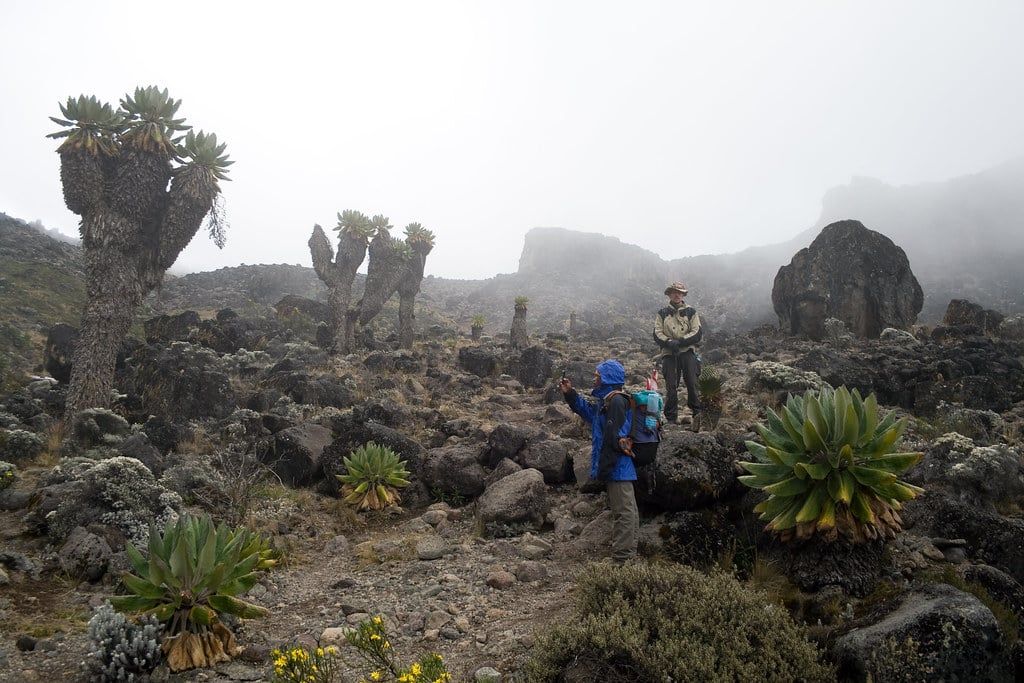
The plateau itself is one of the highest in the world, a broad, dun-colored expanse with the jagged Shira Cathedral rock formation rising on one side and Kibo's cone filling the horizon ahead. Above 3,500 m, giant groundsel (Dendrosenecio kilimanjari) and giant lobelia — plants found almost nowhere outside East Africa's high volcanoes — punctuate the moorland in strange, prehistoric-looking clusters.
Because Lemosho climbs the western side and descends via Mweka on the southeast, you effectively see two different mountains. The ascent runs through open plateau and volcanic scree; the descent drops through denser, wetter rainforest with a completely different feel underfoot. Few other routes offer that contrast in a single trip.
Crowds, Best Time to Climb, and Weather
The first two days through the rainforest are some of the quietest on the mountain — Lemosho starts at a separate gate from the busier routes, so there's none of the queuing you get on Marangu or Machame's opening stretch. That changes on day four, once the trail merges with Machame near Lava Tower; from there to the summit, camps and trails get noticeably busier, especially at Barranco and Barafu.
Dry season is the better window: January, February, and June through October see the clearest skies and firmest trails. March through May and into early December bring Tanzania's rains, with muddy paths and cloud that hides the summit views Lemosho is known for. Expect temperatures from around 25°C (77°F) at the base gate down to roughly -20°C (-4°F) on summit night — pack for both extremes, because you'll feel both within the same week.
How Much Does the Lemosho Route Cost?
Expect to pay roughly $2,400 to $3,300 or more per person for an eight-day Lemosho climb, depending on the operator's tier and what's bundled in. Budget-focused companies price closer to the low end; operators including extra comforts like a pre- or post-climb lodge night sit at the top. That price should cover a licensed guide, porters, cook, camping gear, meals on the mountain, and park fees — check the inclusions list carefully, since some quotes exclude tips or airport transfers.
- Conservation/entry fee: $70 per person per day, every route
- Camping fee: about $50 per person per night
- Rescue fee: $20 per trekker, once per climb
- VAT: 18% added to most park charges
Those TANAPA charges (full detail on the park's hours and fees page) add up fast: over eight days, park fees alone run close to $900-$1,000 per climber, before a dollar goes to guides or porters. That's also why longer itineraries cost more — every extra day adds another day of conservation and camping fees on top of the extra crew wages. Compare quotes against that fee floor — an operator charging close to $2,000 for eight days is cutting corners somewhere, usually on porter wages or crew size. For a rundown of vetted companies, see our guide to choosing a Kilimanjaro operator.
Lemosho vs. Other Kilimanjaro Routes
Lemosho isn't the only way up, and it isn't automatically the right choice for everyone.
| Lemosho | Machame | |
|---|---|---|
| Typical duration | 7-9 days | 6-7 days |
| Start point | Londorossi Gate (west) | Machame Gate (south) |
| Crowd level, days 1-3 | Low | Moderate to high |
| Acclimatization profile | More gradual, extra time at 3,500-4,200 m | Reaches high altitude faster |
| Reported success rate | ~90-95% (8-9 day) | Typically slightly lower on standard 6-7 day |
Both routes cross the Barranco Wall and finish through Mweka, so the back half of the trip looks similar either way. The real difference is the front half: Lemosho's extra days buy a quieter start and more time at altitude before things get hard.
Marangu trades tent camping for wooden huts and a gentler daily gradient, which suits older trekkers or anyone who dislikes camping, but its shorter standard schedule also sits toward the lower end of the mountain's success rates. The Northern Circuit goes the other direction entirely — nine to ten days looping the quieter northern slopes, with even better acclimatization and reportedly the highest success rate of any route; read the full breakdown in our Northern Circuit route guide. Pick Lemosho for strong scenery and high odds without the longest itinerary on the mountain. Pick the Northern Circuit instead if you've got an extra day or two and want the best acclimatization available. Marangu still makes sense for climbers who value a hut roof over crowd levels or summit stats. Many climbers pair the climb with a few days on safari afterward — see Kilimanjaro and safari tours for combined itineraries.
What to Pack and How to Prepare
A licensed guide is mandatory on every Kilimanjaro route — solo climbing has been illegal since 1991 — so gear planning happens against your operator's packing list, not from scratch. Average fitness is enough for Lemosho's standard schedule, though a few months of hill walking, stair climbs, or a weighted-pack hike beforehand makes summit night considerably easier.
Layering matters more than any single piece of gear, because the route runs through four climate zones in a week: t-shirt weather at Londorossi Gate, fleece and a shell by Shira, and a full down jacket, gloves, and a warm hat for summit night. Day four — the Lava Tower crossing — is usually where extra layers first come out of the pack, since the wind picks up well before you reach Barranco.
Altitude sickness is the bigger risk here than fitness. Drink more than 4 liters of water a day from the first high camp onward, and talk to a doctor before the trip about acetazolamide (Diamox) as a preventive option — many climbers start it a day or two before reaching Shira 1. Guides live by pole pole (slowly, slowly) for good reason: rushing the moorland days is the fastest way to feel awful on summit night. For a broader rundown of training, gear, and permits, see our complete Kilimanjaro planning guide.
Frequently asked questions
How long is the Lemosho route?
About 70 km (43 miles) gate to gate, with 16,000-17,000 feet of total elevation gain. Most itineraries stretch that distance over six to nine days on the mountain.
How many days does the Lemosho route take?
Anywhere from six to nine days, depending on the itinerary. Eight days is the standard, preferred schedule, giving the best trade-off between acclimatization time and cost.
What is the success rate of the Lemosho route?
Roughly 90-95% on 8- and 9-day itineraries, based on figures published by several operators. Six-day versions run lower, anywhere from about 60% to the low 90s depending on the source, since there's less time to acclimatize.
Is Lemosho harder than Machame?
Not really. It's longer overall, but the extra days spread the elevation gain across more time, so daily walks feel more gradual. Both routes cross the same Barranco Wall and finish via Mweka.
How much does the Lemosho route cost?
Expect roughly $2,400 to $3,300 or more per person for an eight-day climb. That should include TANAPA park fees, a licensed guide, porters, camping gear, and meals — park fees alone run close to $900-$1,000 per climber.
Where does the Lemosho route start and end?
It starts at Londorossi Gate on Kilimanjaro's western side, about a three- to four-hour drive from Moshi. It ends with a descent via the Mweka trail on the southeast slope.
Do I need a guide to climb the Lemosho route?
Yes. Every Kilimanjaro route requires a licensed guide by law — independent climbing has been prohibited since 1991.
What is the best time of year to hike the Lemosho route?
January, February, and June through October, Tanzania's dry season months. March through May and most of November bring rain, mud, and reduced summit visibility.