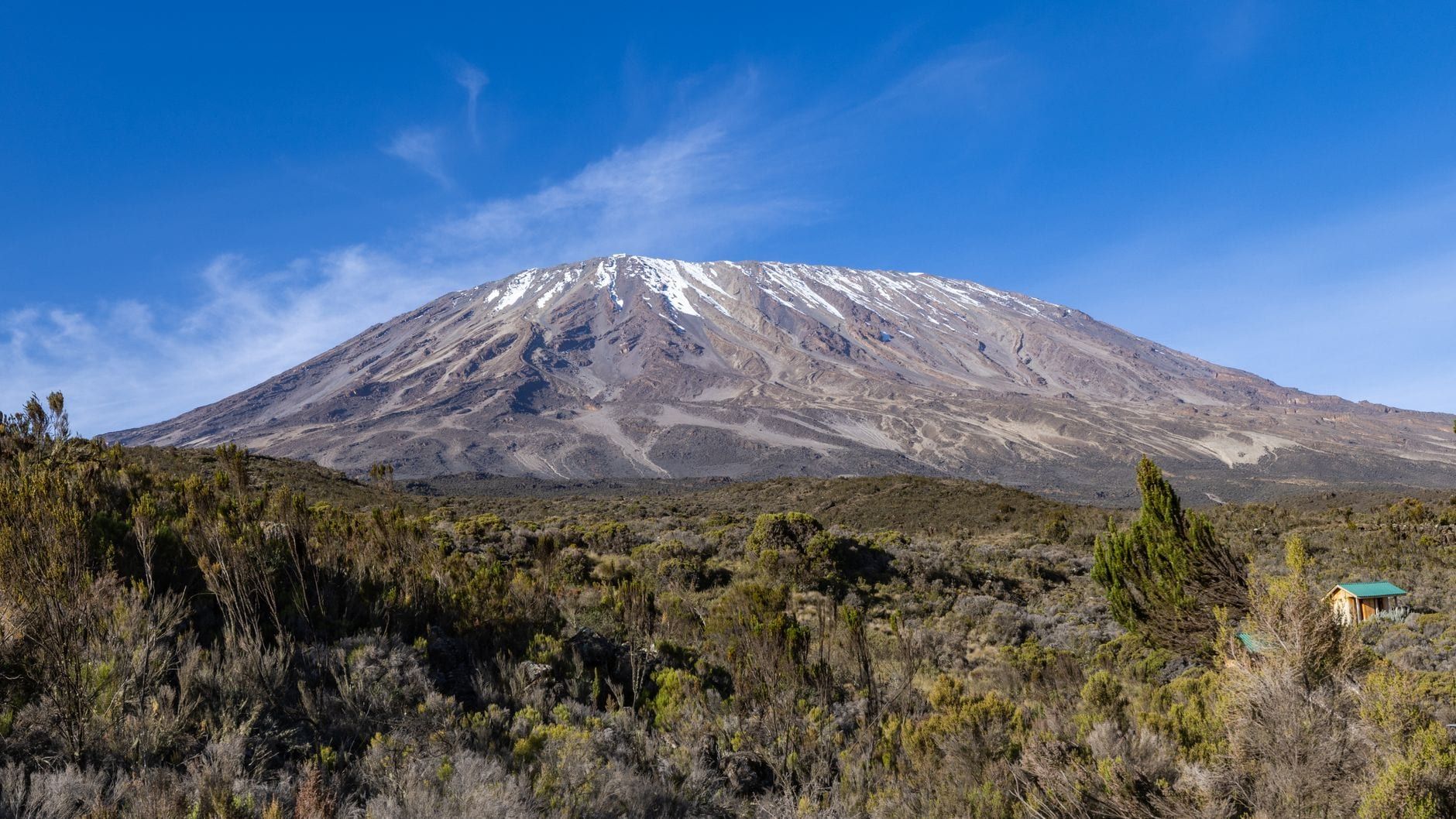
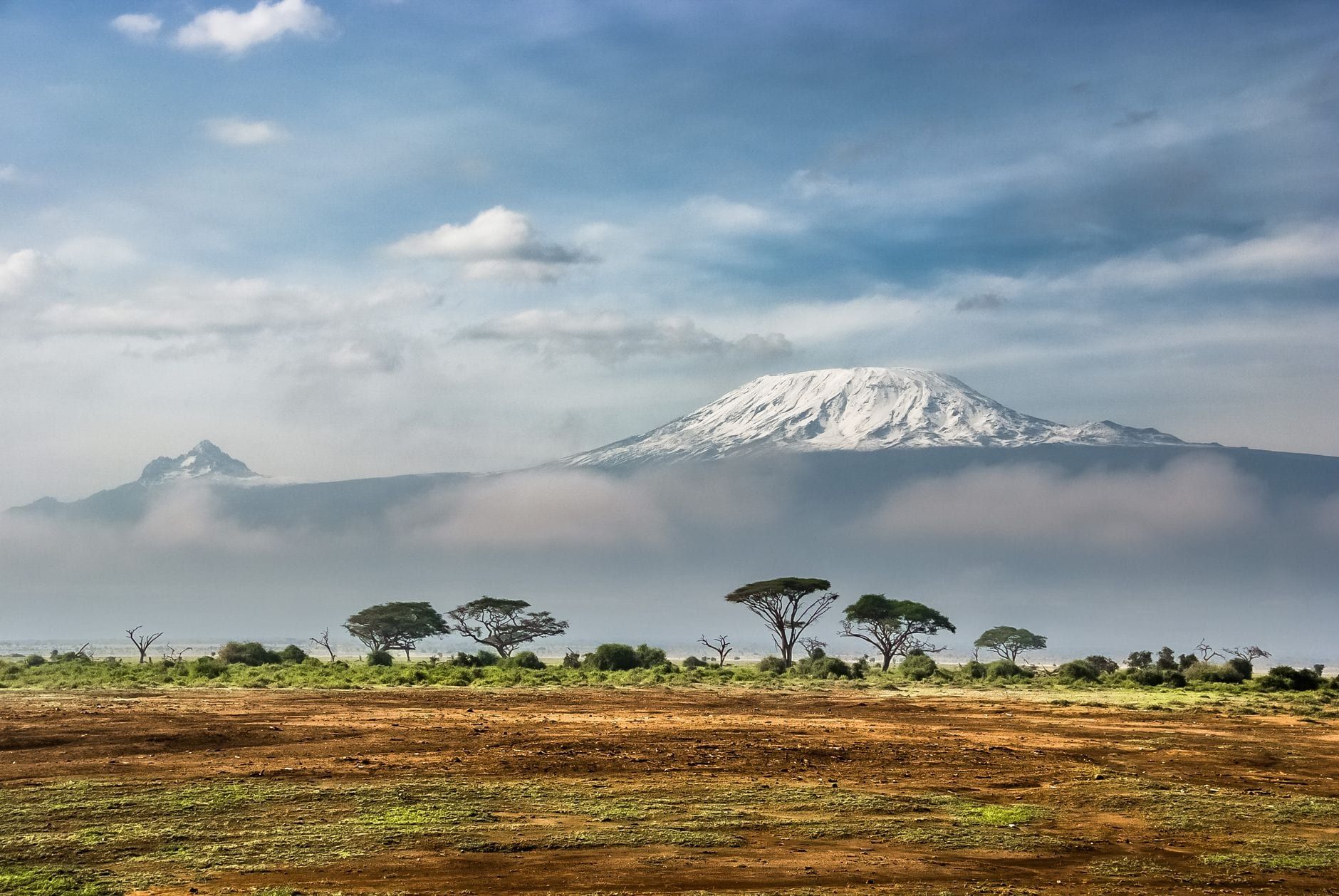
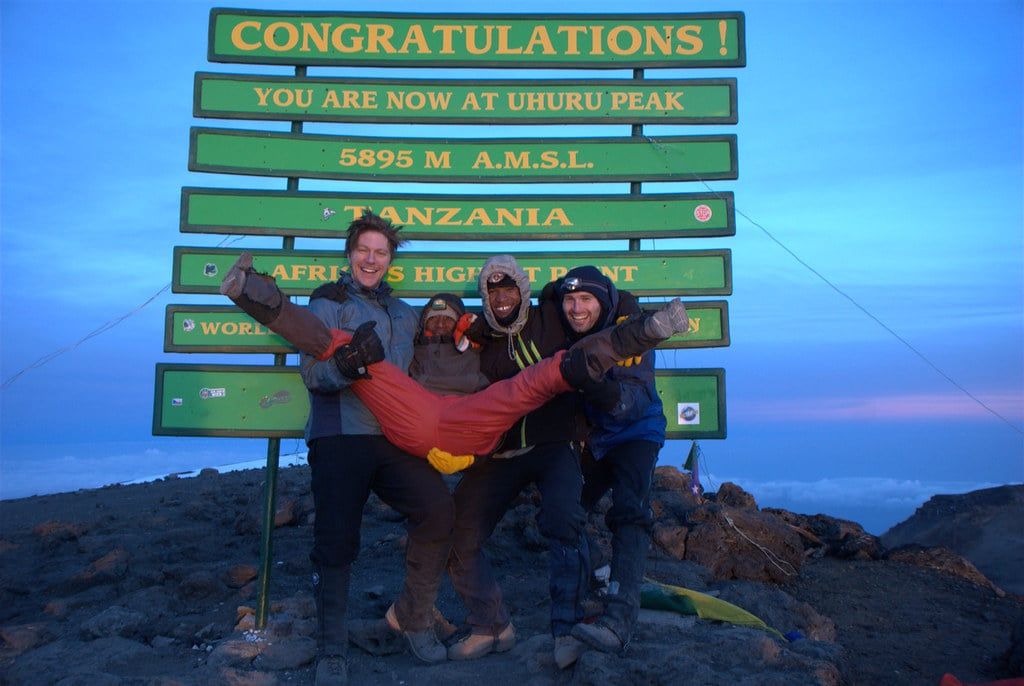
Uhuru Peak sits at 5,895 meters on the rim of Kibo, one of three volcanic cones that form Tanzania's Kilimanjaro National Park. You won't need ropes or crampons. What you need is days of steady uphill walking and a body that copes reasonably well with thin air.
This guide covers what actually matters before you book: how tough the days get, which of the seven routes suits your fitness and budget, what a fair price looks like, and the safety rules that keep this famously forgiving mountain from turning dangerous.
What Is Climbing Kilimanjaro? (Quick Facts)
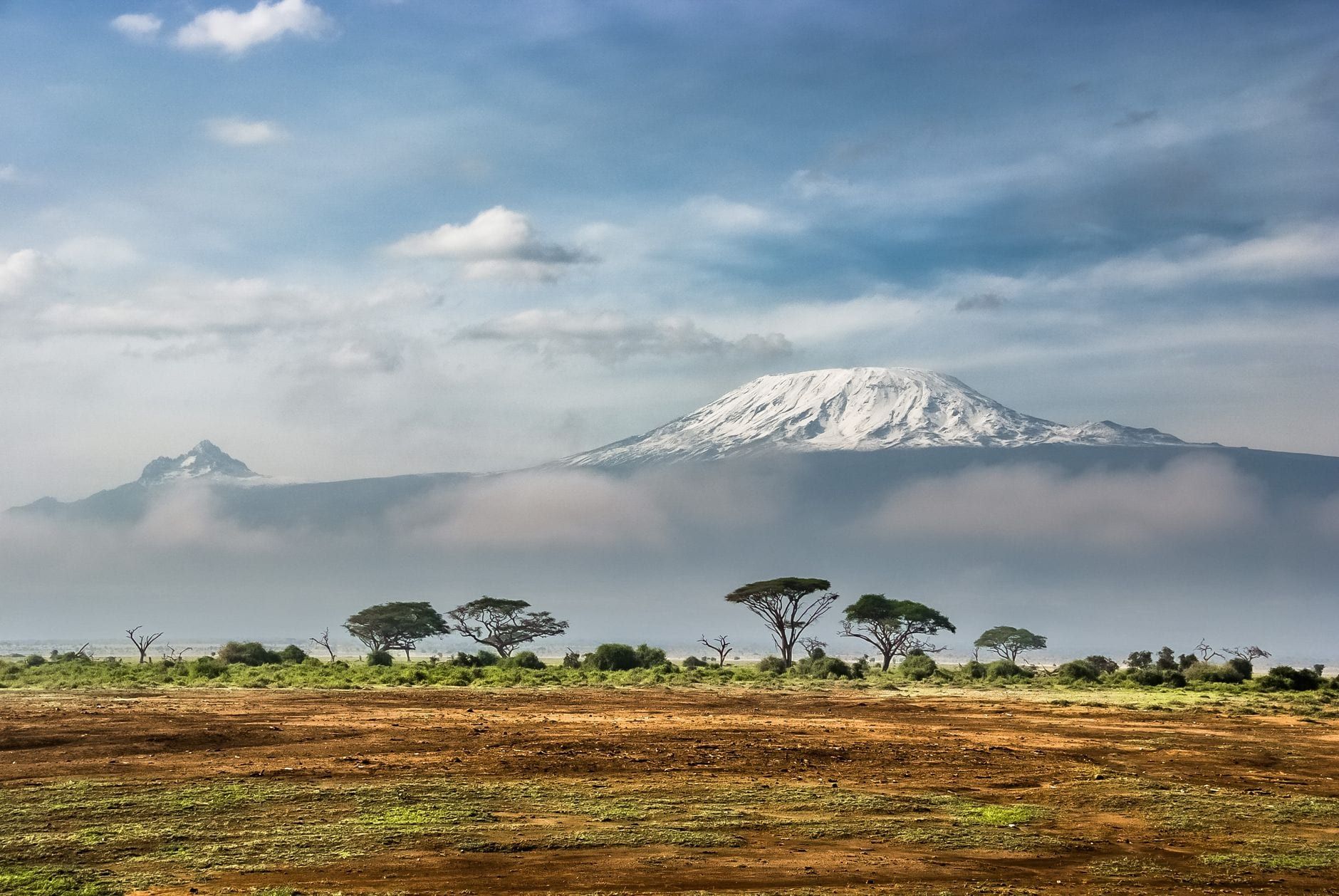
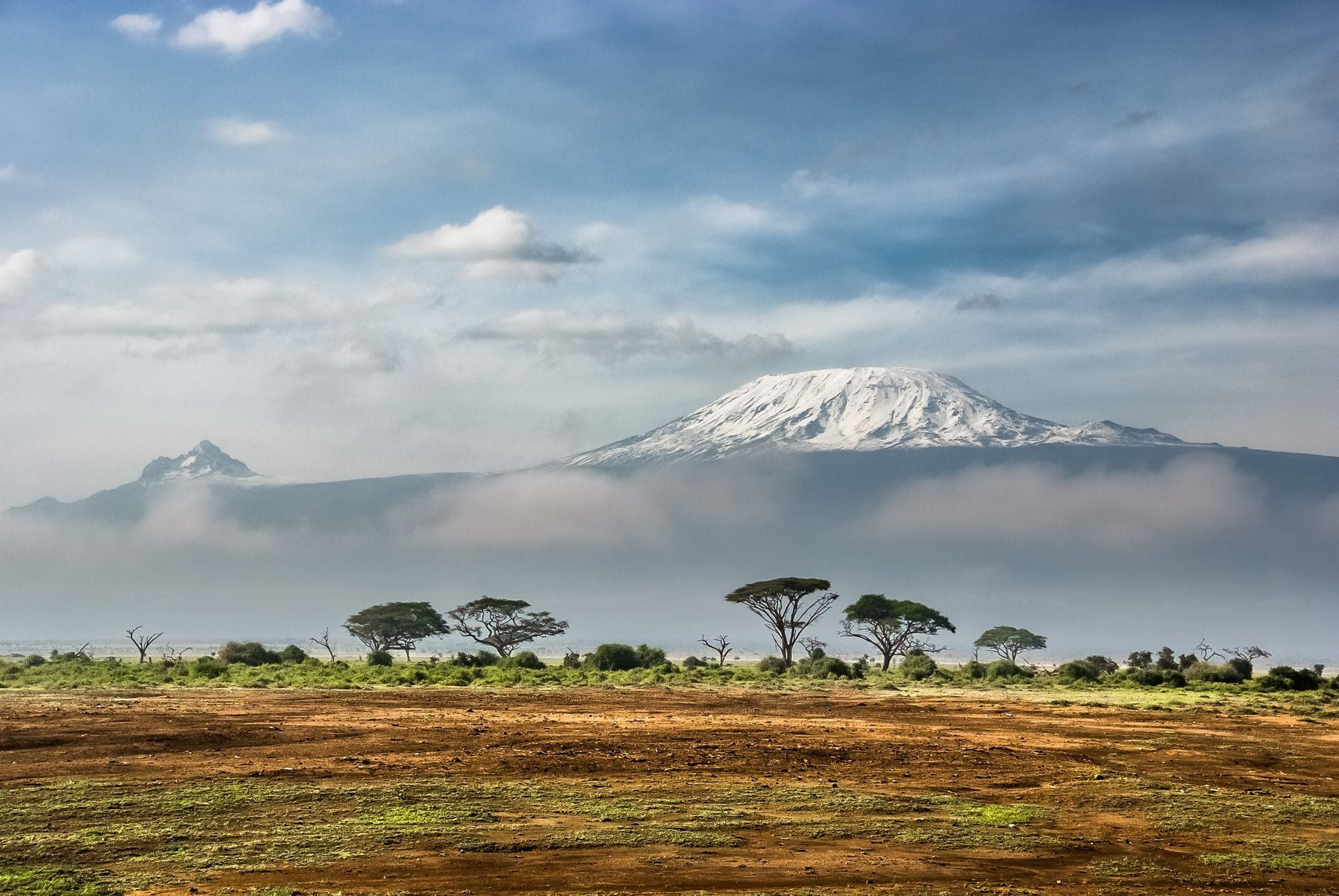
Kilimanjaro is a dormant stratovolcano in northeastern Tanzania, close to the Kenyan border, and it's Africa's highest point at 5,895m (19,341ft). It's also the tallest freestanding mountain on earth, rising straight out of the surrounding plains rather than a mountain range, and it's one of the Seven Summits climbers chase across every continent. Three volcanic cones make up the massif: Kibo, the highest and home to Uhuru Peak; Mawenzi, a jagged rock spire at 5,149m; and Shira, a broad plateau at 3,962m. The mountain and its forests sit inside the 1,688 km² Kilimanjaro National Park, a UNESCO World Heritage Site since 1987. Read more about its history and visitor highlights before you commit to a route.
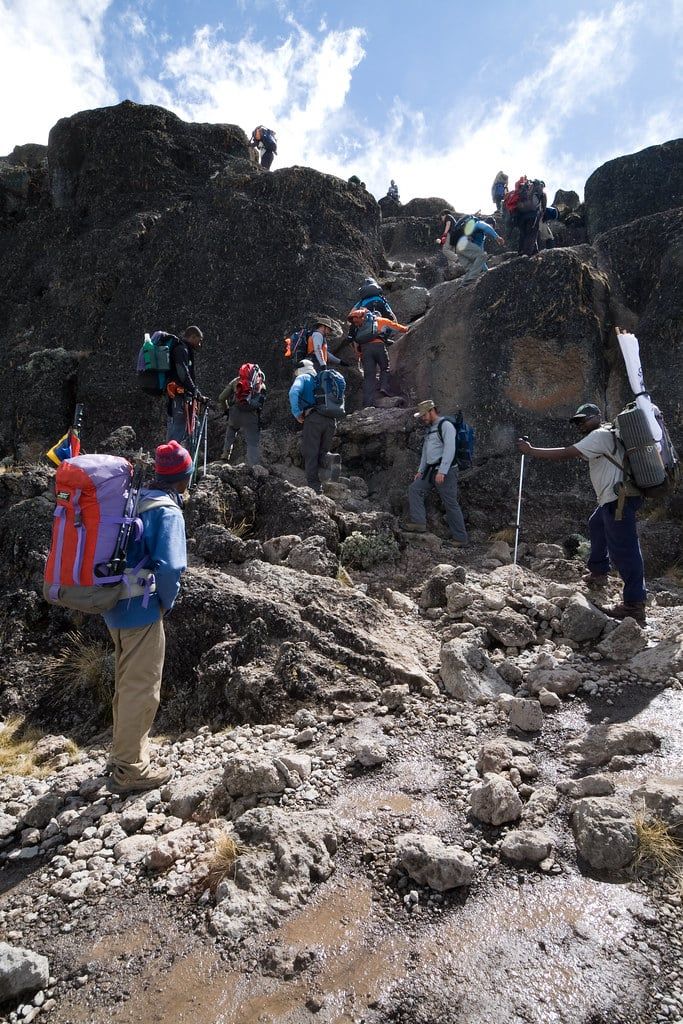
None of the standard routes require ropes, crampons or ice-axe skills. Kilimanjaro is what climbers call a walk-up mountain. The one exception is a short hand-over-hand scramble up the Barranco Wall on the Machame and Lemosho routes, exposed but not technical. That accessibility is why the age range on the mountain runs wide: the park authority sets a minimum climbing age of 10, and people in their seventies and eighties have reached Uhuru Peak with the right acclimatization schedule and a doctor's clearance.
How Hard Is It? Difficulty, Fitness & Training
Kilimanjaro is a long-distance endurance trek, not a climb in the technical sense. Most days involve six to eight hours of walking at altitude, day after day, with your gear carried by porters but your own legs doing all the work. Summit night is the hardest stretch by far: climbers set off around midnight for an eight-hour push to the top in the dark and cold, then face a six-to-seven-hour descent on tired legs the same day.
Fitness matters more than any specific skill. A reasonable benchmark before you book: you should be able to run 5km comfortably and hike 10km or more in a single day without much trouble. Back-to-back training days count for more than one heroic long hike. A guide with over 50 Kilimanjaro summits has pointed to cumulative fatigue, not a single bad day, as the reason most struggling climbers fall behind. Break in your boots for weeks beforehand and practice a few hikes with a loaded daypack so your shoulders know what 10kg feels like six hours in.
Pace matters as much as fitness. Guides will tell you 'pole pole' — slowly, slowly — for a reason: climbers who power ahead early usually pay for it above 4,000m.
Choosing a Route: Comparing All 7 Kilimanjaro Routes
Seven official routes lead to the summit: Marangu, Machame, Lemosho, Shira, Rongai, the Northern Circuit and Umbwe. They differ in distance, scenery, crowd levels and, most importantly, how much time they give your body to acclimatize.
| Route | Distance | Typical Duration | What to Expect |
|---|---|---|---|
| Marangu | 70km | 5-6 days | Hut dormitories, gentlest gradient, busiest trail, lower success rate |
| Machame | 61km | 6-7 days | Camping, the scenic 'Whiskey Route', includes the Barranco Wall |
| Lemosho | 67-70km | 6-8 days | Remote western start, strong acclimatization profile, high success rate |
| Rongai | 74km | 6-7 days | Only northern approach, drier trail, far fewer climbers |
| Northern Circuit | 88km | 8-9 days | Longest route, circles the quiet north side, highest success rate |
| Umbwe | 48km | 6-7 days | Steepest and shortest route, for fit, experienced trekkers only |
Shira follows a similar line to Lemosho but starts higher and skips some of the best forest walking, so most operators have largely replaced it with Lemosho. If a company still offers Shira on its own, ask why.
- First-timer wanting a safety net: Marangu, for the huts and gentler grade.
- Best all-round scenery and success rate: Lemosho or Machame.
- Chasing solitude: Rongai or the Northern Circuit.
- Already fit and short on time: Umbwe, with an extra acclimatization night added.
Our guided climbing tours run most of these routes, and the Northern Circuit itineraries are worth a look if solitude and success rate matter more to you than trip length.
Success Rates & Acclimatization: Why More Days Means Better Odds
Altitude, not fitness, is what turns climbers back on Kilimanjaro. Above 2,500m your body needs time to adjust to less oxygen, and the mountain doesn't care how many marathons you've run. The rule guides build itineraries around is 'climb high, sleep low': trek to a higher point during the day, then drop back down to sleep, training your body before you commit to the altitude overnight.
Duration is the lever you actually control. Reported summit success rates range from as low as 27-45% on rushed five-day routes up to 85% or higher on itineraries of seven days or more. That's a huge swing for the price of two or three extra days on the mountain.
Treat any specific percentage with some skepticism. Tanzanian park authorities haven't published official success-rate statistics since the early 2000s, so every number you see quoted is self-reported by individual tour operators. The honest takeaway holds regardless of the exact figure: book at least seven days, ideally eight, and your odds improve substantially over any five-day itinerary.
Best Time of Year to Climb
Two dry windows give the most reliable climbing weather: late December through early March, and June through October. Skies are clearer, trails are firmer, and summit views are better, with July and August offering the best combination of visibility and low rainfall.
July through October is also peak season, coinciding with the summer holidays, so camps and huts fill up and trails get busy. Mid-May to June is a good shoulder window: the weather has mostly settled but crowds haven't arrived yet. Avoid the long rains of April and May, when trails turn to mud and success rates drop noticeably, and stay cautious in the first week of November, when short rains bring unpredictable weather before the next dry stretch sets in. Even in reliable months, afternoon showers are common lower on the mountain. It's rarely an all-day washout, just something to plan a rest-day buffer around.
How Much Does It Cost? Budget Tiers, What's Included & Tipping
Price on Kilimanjaro tracks safety closely. A trek advertised well under $1,500 should worry you: at that price, something is being cut, usually porter wages, food quality or safety gear.
| Budget Tier | Price Range | What You're Actually Getting |
|---|---|---|
| Rock-bottom | Under $1,500 | Overloaded porters, thin margins, minimal safety kit — avoid |
| Budget | $1,500-2,500 | Acceptable only if the operator is KPAP-partnered |
| Mid-range | $2,500-3,500 | WFR-trained guides, supplemental oxygen, pulse oximeters |
| Luxury | $3,500+ | Smaller groups, premium camps, established operators |
Park fees make up a large share of any quote. Tanzania National Parks charges a $70 per person daily conservation fee, a $50 per person nightly camping fee (or $60 on the hut-based Marangu route), and a one-off $20 rescue fee, plus 18% VAT. On a typical seven-day climb those fees alone add up to roughly $900-1,200 per person, paid by your operator directly to the park. Check our opening hours and entry fees page for the current breakdown.
Budget for tipping as a real, separate cost, not an afterthought. Guides, assistant guides, cooks and porters all expect it, and a group climb typically travels with a full support crew for every couple of climbers. Ethical operators run a group tipping ceremony on the last morning rather than individual handouts at the gate, which avoids awkward pressure. Look for Kilimanjaro Porters Assistance Project (KPAP) partnership as a working proxy for fair porter pay and load limits: it's the closest thing to an independent welfare check this industry has.
Safety, Altitude Sickness & Mountain Regulations
Every climber needs a licensed guide. Tanzanian law has required this since 1991, and solo or unguided climbing isn't allowed under any circumstance. Your operator handles park registration, permits and camp sign-ins, and rangers weigh every porter's load at the gate: 20kg maximum per porter, checked on a scale, no exceptions.
Acute Mountain Sickness typically starts affecting climbers above 2,500m, and mild symptoms such as headache, nausea and disrupted sleep are close to universal on the mountain. What matters is recognizing when symptoms turn serious. Confusion, breathlessness at rest or a persistent cough can signal HACE or HAPE, cerebral or pulmonary edema, both life-threatening and both treated the same way: descend immediately.
The overall risk is low but real. Kilimanjaro's estimated death rate is roughly 1 in 4,000-plus climbers, and altitude is the cause in most cases. Gradual ascent, steady hydration, a slow pace and a route of seven days or longer are the actual prevention, far more than any pill or gadget.
- KPAP membership, confirming fair porter pay and load limits.
- Wilderness First Responder (WFR) certified lead guides.
- Supplemental oxygen and a pulse oximeter carried on the mountain.
- A clear, written evacuation plan for medical emergencies.
- A transparent cost breakdown separating park fees, staff wages and profit.
What to Pack & How to Plan the Logistics
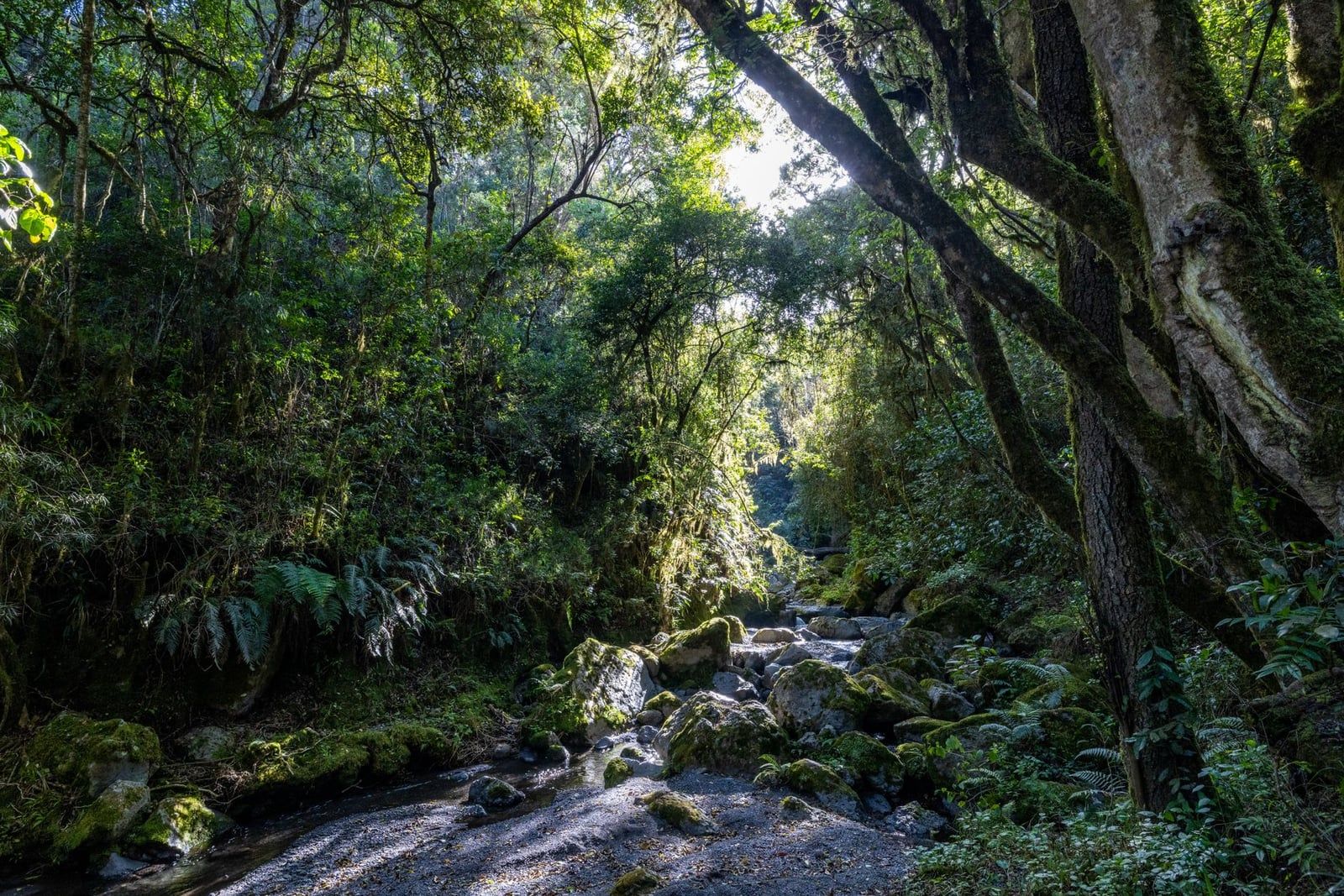
You'll pass through five climate zones in under a week: cultivated farmland, dense rainforest, moorland, alpine desert, then the arctic conditions of the summit zone. Base gates sit in genuine tropical heat, often above 30°C, while summit night can drop to -20°C or colder once the wind picks up. That's the whole reason layering matters more than any single piece of gear.
- A waterproof, windproof outer shell for rain and summit-night wind.
- An insulated down or synthetic jacket for camp and the summit push.
- Broken-in waterproof hiking boots, never new ones.
- Trekking poles to save your knees on the long descents.
- A sleeping bag rated to at least -20°C and a headlamp with spare batteries.
The park bans disposable plastic water bottles, so bring a reusable bottle or bladder plus a way to treat the water your crew collects on the mountain.
Kilimanjaro International Airport (JRO) is the main gateway, sitting roughly between the two base towns: about 45 minutes to Moshi and 70-90 minutes to Arusha. Most trekking operators are based in Moshi, so it's the more convenient base if climbing is your only goal on this trip. See our directions and transport guide for gate-by-gate transfer times, which range from under an hour for Machame gate to three or four hours on unpaved roads for Lemosho's Londorossi gate.
Beyond the safety checklist above, compare group size, inclusions and route options across a few Kilimanjaro tour operators before booking. A private group through our private tours gives you more control over pace than a mixed group climb. Plenty of climbers extend the trip with days on safari in the Serengeti or Ngorongoro Crater, or a beach stretch in Zanzibar afterward. Ask about combined safari add-ons when you book, since logistics are simpler arranged together.
Frequently asked questions
How long does it take to climb Kilimanjaro?
Routes run from a minimum of 5 days (Marangu or Umbwe) up to 9-10 days on extended itineraries. Most climbers choose 7-8 days, the range considered safest for acclimatization and reasonable summit odds.
How much does it cost to climb Kilimanjaro?
Park fees alone total roughly $900-1,200 per person on a 7-day trek. A fair, complete trip usually runs $2,000-3,500; under $1,500 typically means cut corners on porter pay and safety gear, and $3,500+ buys smaller groups and premium comfort.
What is the success rate of climbing Kilimanjaro?
Reported rates vary widely by route and length, from as low as 27-45% on rushed 5-day climbs to 85% or higher on 7-9 day itineraries. No official park statistics exist; every figure is self-reported by operators.
Do I need a guide to climb Kilimanjaro?
Yes. Tanzanian regulation has required a licensed, registered guide since 1991, and solo or unguided climbing and wild camping are both prohibited.
Which is the best route to climb Kilimanjaro?
There's no single best route. Marangu suits first-timers who want hut accommodation; Lemosho and Machame balance scenery with strong success rates; the Northern Circuit has the best odds but takes longest; Umbwe is the steepest and hardest, for experienced trekkers only.
When is the best time to climb Kilimanjaro?
Late December to early March and June to October are the dry windows. July-October is busiest. Avoid the long rains of April-May and be cautious in early November when short rains arrive.
How fit do I need to be to climb Kilimanjaro?
No technical climbing skill is needed, but you should be able to run 5km comfortably and hike 10km or more in a day. Back-to-back training hikes matter more than one long training walk.
Is climbing Kilimanjaro dangerous?
The main risk is altitude sickness, including severe forms like HACE and HAPE. The estimated death rate is about 1 in 4,000-plus climbers, mostly altitude-related and largely preventable with a longer route, hydration and a slow pace.