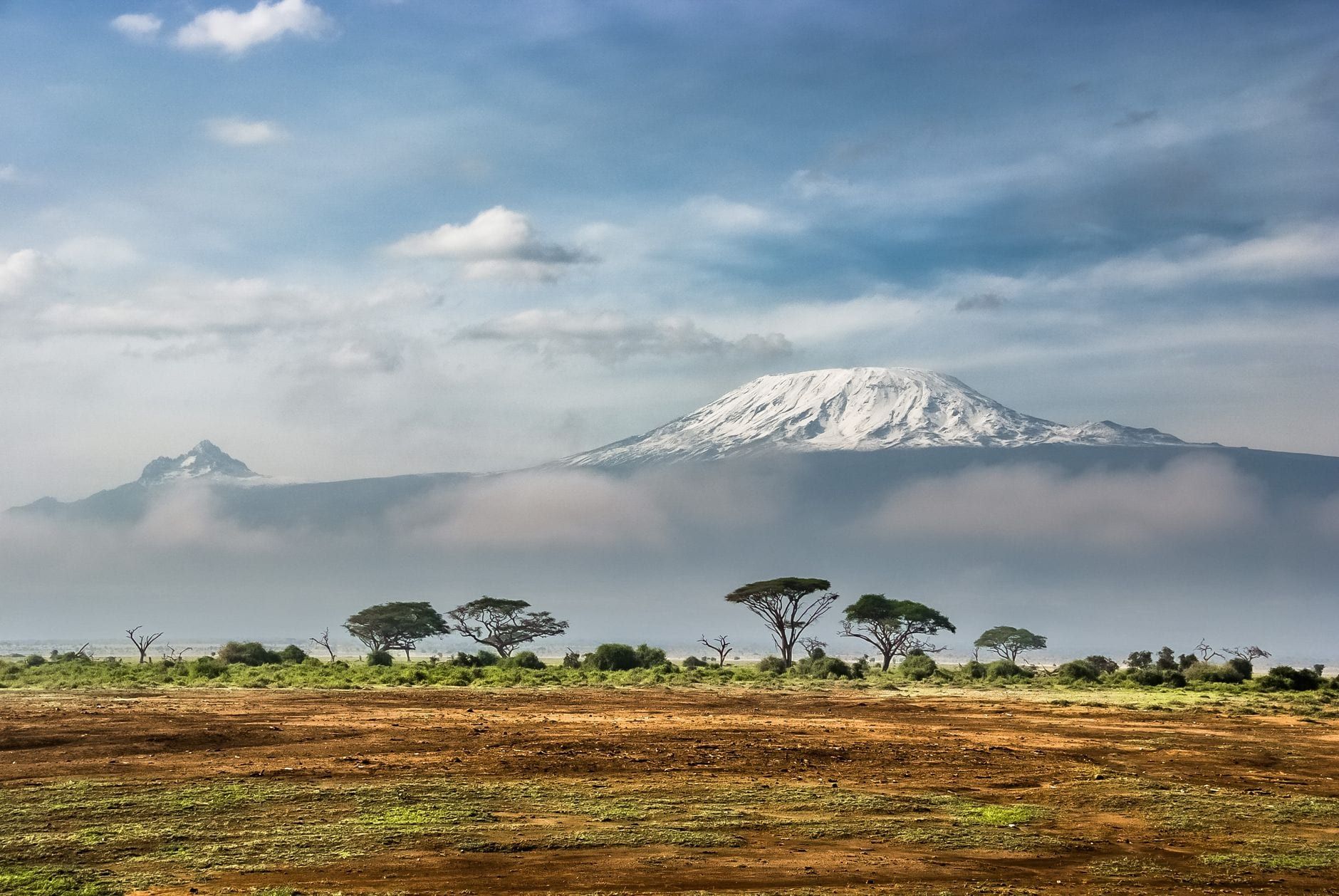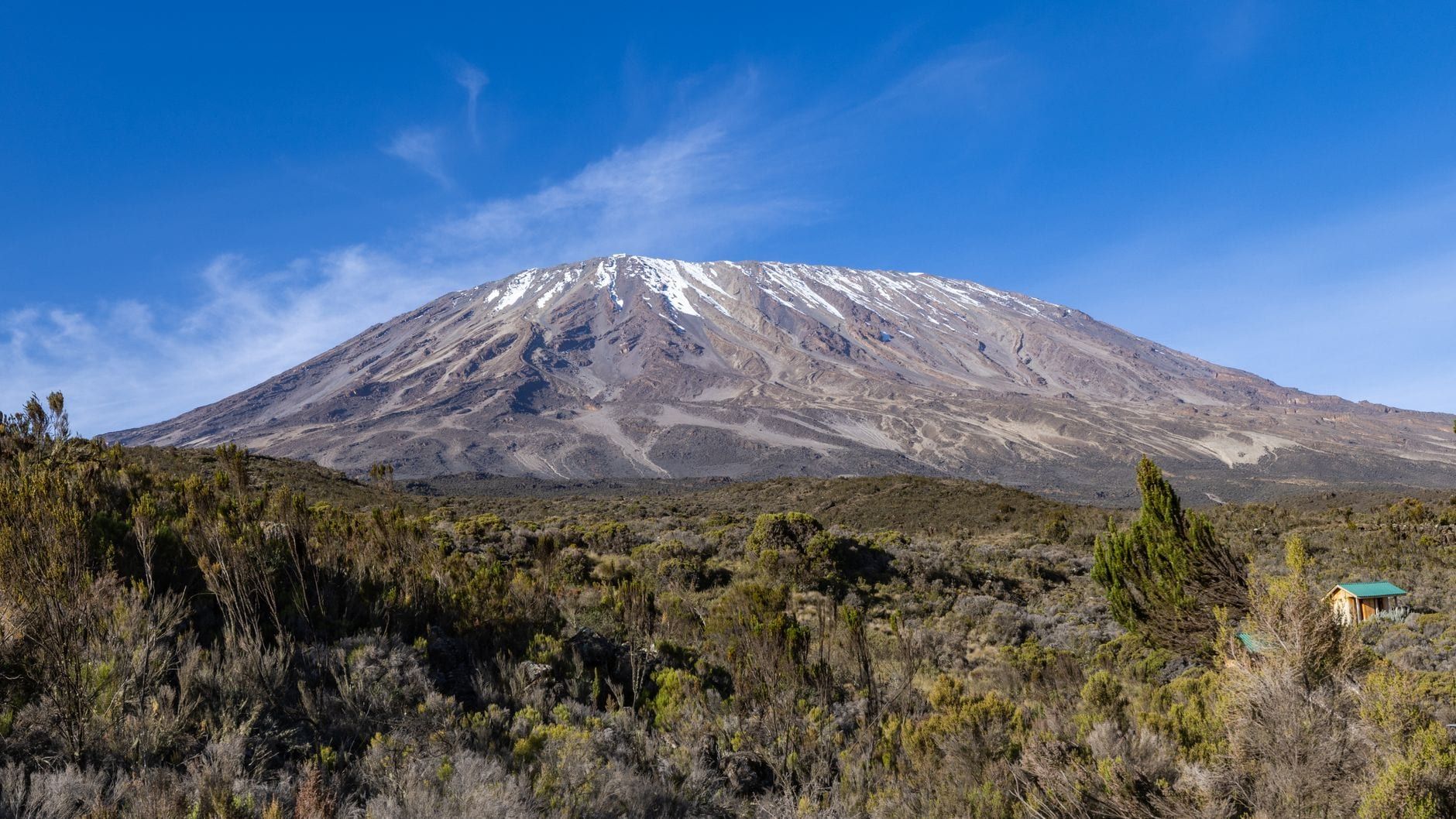
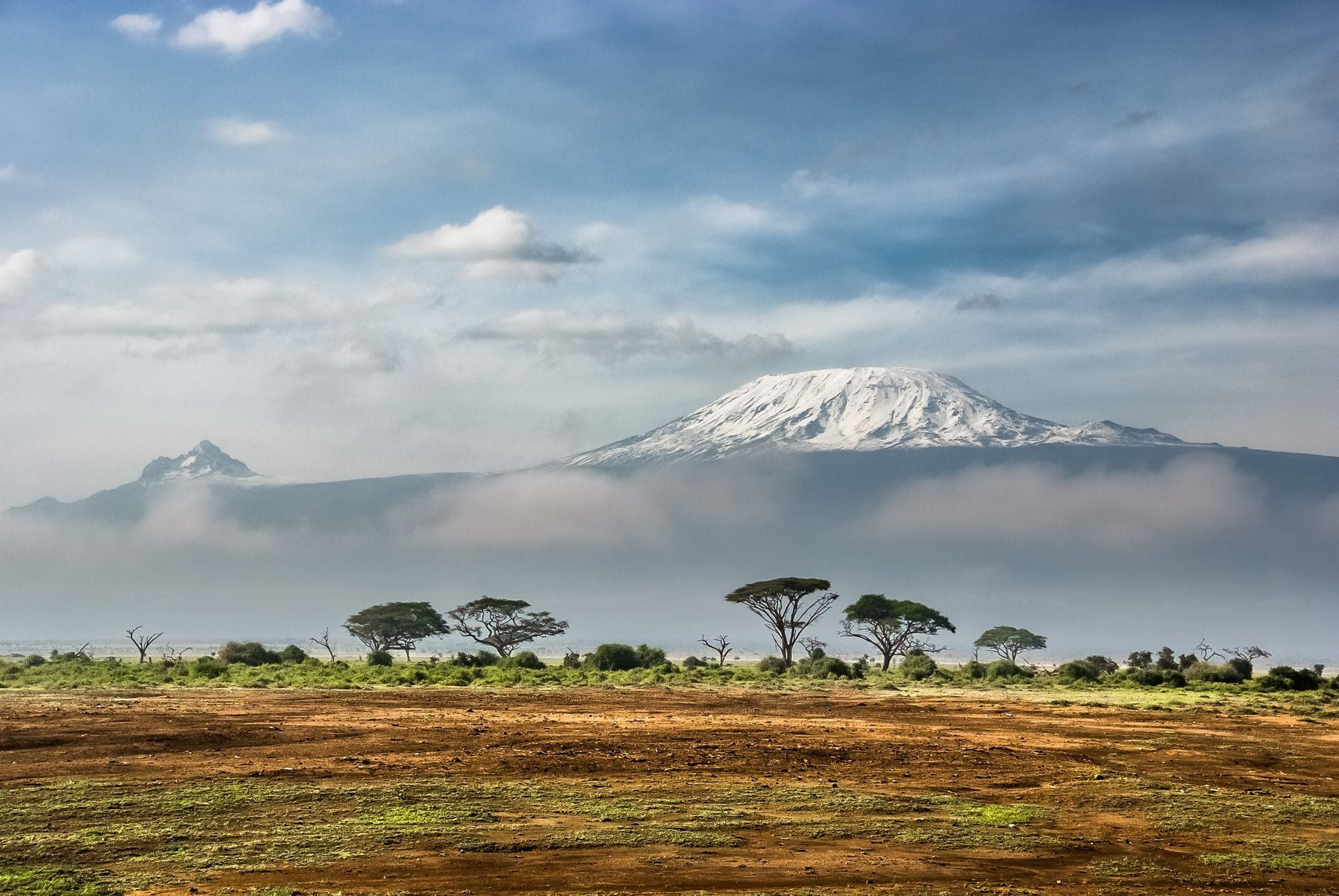
Machame is the busiest of Kilimanjaro's trekking routes, climbing the mountain's southern flank for roughly 62km (38 miles) round trip between Machame Gate and Uhuru Peak at 5,895m. Most people walk it in six or seven days, gaining nearly 4,900 vertical meters and crossing rainforest, moorland, alpine desert and arctic zones along the way.
Guides nicknamed it the Whiskey Route for its steeper grades, a rougher counterpart to the gentle Marangu 'Coca-Cola Route.' Done right, with good acclimatization and a fit body, it's one of the more reliable ways to reach the summit. This guide covers the day-by-day itinerary, real difficulty, cost, and how it stacks up against Lemosho, Marangu and Rongai.
Machame Route at a Glance
- Distance: about 62km / 38 miles round trip
- Duration: 6 or 7 days (7 widely recommended)
- Difficulty: strenuous, no technical climbing skill required
- Success rate: roughly 73-90% depending on itinerary length
- Terrain: rainforest through moorland and alpine desert to arctic summit
- Accommodation: camping only, in four-season tents
Machame Gate sits at about 1,800m on Kilimanjaro's southern slope. From there the trail runs west of the more heavily developed Marangu route, climbs onto the Shira Plateau, loops south under Kibo's summit cone, and exits through a different gate at Mweka on the way down — a horseshoe shape rather than a straight there-and-back. Most operators drive clients directly from Moshi or Arusha hotels to the gate; see our guide on getting to Kilimanjaro's gates for transfer times.
About half of all Kilimanjaro climbers choose Machame, more than any other route on the mountain. That means company at camp, especially in July, August and over the December holidays, but the trail is wide enough that traffic rarely causes real delays.
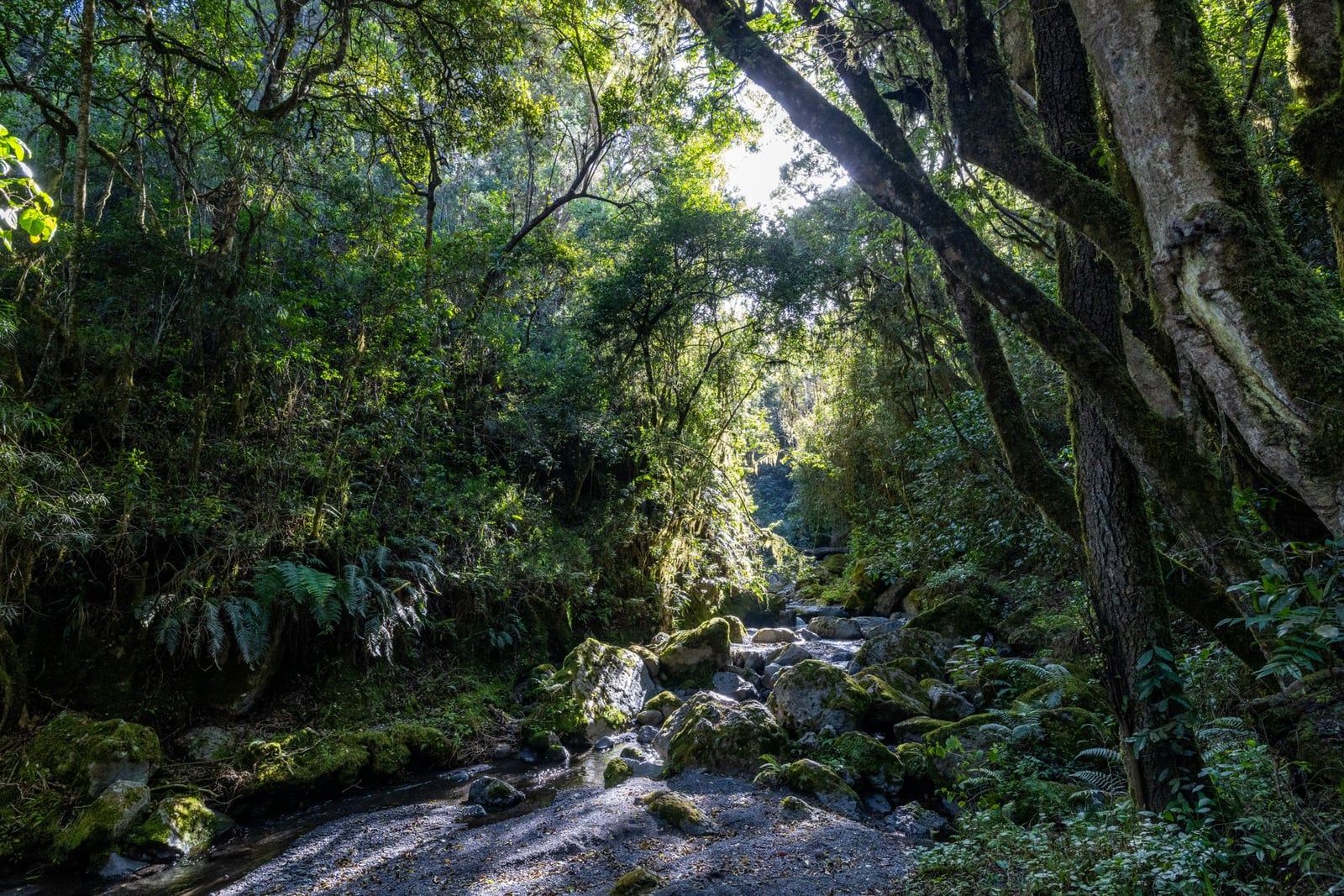
In under a week the route crosses four distinct climate zones: humid rainforest below roughly 2,800m, heather and moorland up to about 3,800m, alpine desert beyond that, and the arctic zone above 5,000m near the top. Few multi-day treks anywhere pack that much ecological range into one itinerary.
Day-by-Day Machame Route Itinerary (7 Days)
The standard itinerary breaks into six climbing days plus a final descent to the park gate. Camp altitudes, distances and rough hiking times below give the full profile at a glance.
| Stage | Camp / Endpoint Altitude | Distance | Hiking Time |
|---|---|---|---|
| Day 1: Machame Gate → Machame Camp | 3,000m | ~11km | 5-7 hrs |
| Day 2: Machame Camp → Shira Camp | 3,840m | ~5km | 4-6 hrs |
| Day 3: Shira Camp → Barranco Camp (via Lava Tower) | 3,960m | ~10km | 6-8 hrs |
| Day 4: Barranco Camp → Karanga Camp | 4,035m | ~5km | 4-5 hrs |
| Day 5: Karanga Camp → Barafu Camp | 4,673m | ~4km | 3-4 hrs |
| Days 6-7: Barafu Camp → Uhuru Peak → Mweka Gate | 5,895m summit / ~1,640m gate | ~26km | 11-14 hrs + 3-4 hrs |
Day 1: Machame Gate to Machame Camp
Registration at the gate takes an hour or so while porters get weighed in and permits checked. The trail then climbs through mist forest thick with old man's beard moss, and colobus monkeys sometimes move through the canopy overhead. Camp arrives by mid-afternoon, already noticeably cooler.
Day 2: Machame Camp to Shira Camp
Forest gives way to heather and open moorland, and Kibo's ice-streaked summit appears for the first time above the ridgeline. It's a shorter day than the first, which helps the body settle before the real altitude gains start.
Day 3: Shira Camp to Barranco Camp via Lava Tower
This is the classic 'climb high, sleep low' day. The trail rises to Lava Tower at 4,630m for lunch, then drops back down to sleep at Barranco Camp. Gaining and losing 700m of elevation in a single day trains the body for the thinner air above, and most people notice the difference in appetite and sleep by evening.
Day 4: The Barranco Wall to Karanga Camp
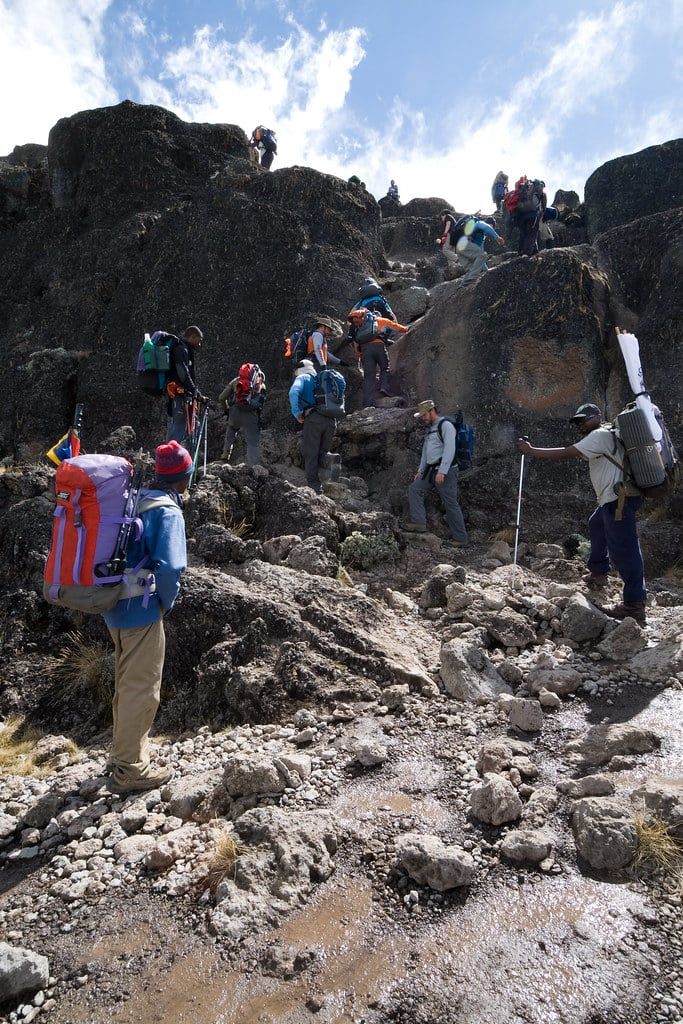
The day opens with the Barranco Wall, a roughly 257-metre scramble tackled hand-over-hand in about one to two hours. It looks intimidating from camp, with porters balancing loads on their heads as they climb, but it's non-technical and most trekkers rate it the best stretch of the whole route. Beyond the wall, the trail rolls across a series of valleys to Karanga Camp.
Day 5: Karanga Camp to Barafu Camp
A short, steady climb across barren alpine desert brings the group to Barafu Camp, the staging point for summit night. Afternoons here go to repacking gear, eating an early dinner, and trying to nap before a pre-midnight wake-up call.
Days 6-7: Summit Night and the Descent
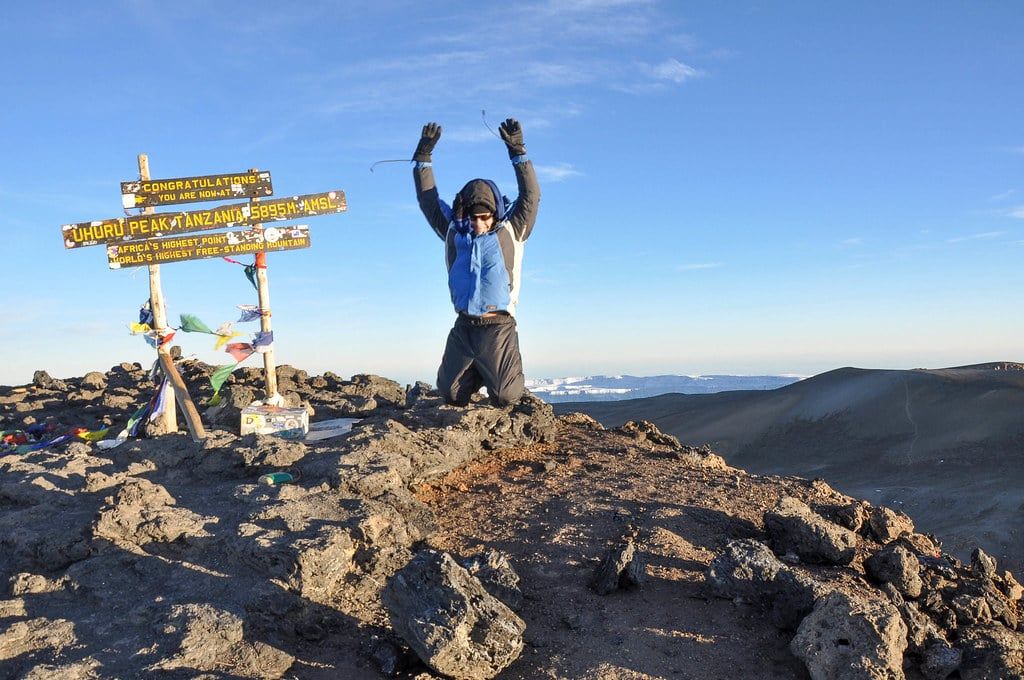
Climbers leave Barafu around midnight, climbing roughly 5km through the dark and cold to Stella Point on the crater rim, then on to Uhuru Peak, usually around sunrise. The push takes about seven to eight hours; getting back down to Mweka Camp the same day takes another four to six hours over an additional 11-12km. Day 7 is a short, forested walk to Mweka Gate, where TANAPA rangers hand out summit certificates.
A small minority of climbers — fewer than 5% on Machame — branch off at Lava Tower onto the Western Breach, a steeper, more direct line to the summit that trims total distance to about 36.7km. It carries real rockfall risk and works best with an operator experienced on that specific path, not as a default choice.
6-Day vs 7-Day Machame: Which Should You Choose
The two itineraries differ by a single night at Karanga Valley. Cut it, and the 6-day version folds Karanga and Barafu into one longer day instead of the staged climb described above.
That extra night is worth more than it looks on paper. Average summit success runs about 85% on the 7-day itinerary against roughly 73-75% on the 6-day cut — a swing of ten points or more for one additional camp.
Six days can work for climbers who've already spent a week or two at altitude beforehand, or who've summited another high peak recently and know how their body copes with thin air. Everyone else, first-timers especially, should book the extra night. It's the cheapest way to raise your odds on this mountain, and it's why most operators, and our own Kilimanjaro planning guide, recommend it by default.
How Difficult Is the Machame Route
Machame is rated strenuous, not extreme. Days run 6-8 hours of hiking with daily elevation gains of 900-1,200m, and none of it requires ropes, harnesses or crampons — this is a walk-up mountain in mountaineering terms.
The Barranco Wall is the trail's one dramatic obstacle, but it's a scramble rather than a climb: hands, feet and steady nerves get you up it. The real difficulty is cumulative fatigue and thinning air over six days, not any single feature.
The route's built-in acclimatization is what makes it workable for a first-timer. The Lava Tower detour on Day 3 pushes climbers to 4,630m before dropping them to sleep at 3,960m, priming the body for the altitudes above Barafu. Fit beginners who train beforehand and book the 7-day version have a genuine shot — success rates on Machame run roughly 70-90% depending on fitness, itinerary length and operator quality. Book a guided trip through Kilimanjaro hiking tours that build in that extra acclimatization day rather than rushing it.
Best Time to Climb the Machame Route
January to early March and June through October are Kilimanjaro's dry windows, and both suit Machame well. June-October, especially July and August, brings the clearest skies and the busiest camps; January-March runs quieter and a touch warmer lower down, though afternoon cloud builds up more often.
April, May, November and December bring the rains. Lower forest trails turn to mud, visibility drops on summit night, and success rates fall well below the yearly average. If solitude matters more than a guaranteed clear sky, aim for the shoulder weeks around early June or late October rather than the August peak, when Barranco and Karanga fill up fast — our month-by-month climbing guide breaks down each window in more detail.
Cost of the Machame Route & What's Included
A 7-day Machame trek through a licensed operator typically runs $2,000-$3,500 per person, though quotes stretch as high as $6,000 depending on group size and service level. Government fees make up the biggest fixed chunk: TANAPA charges a $70 per person daily conservation fee, a $50 per person nightly camping fee, a one-time $20 rescue fee, and 18% VAT, detailed on our park hours and entry fees page. Over a standard 7-day trip, that alone adds up to roughly $900-$1,200 per climber, paid by your operator directly to the park.
The rest of a quote should cover guide and porter wages, crew park fees, all camping equipment and meals on the mountain, transport between your hotel and the gate, and usually a hotel night or two in Moshi or Arusha before and after the climb.
Be wary of anything well under $2,000. That price rarely covers a living wage for porters, decent food, or enough crew to carry gear safely, and it's the clearest sign of a corner-cutting operator. Check whether a company follows Kilimanjaro Porters Assistance Project guidelines before you book — our guide to choosing an operator walks through what to check, or browse vetted options on Kilimanjaro tours.
Machame vs Other Kilimanjaro Routes
Machame isn't the only way up, and it isn't automatically the best fit for every climber. Here's how it compares against the other main options on distance, timing and success rate.
| Route | Distance | Typical Duration | Success Rate | Crowding |
|---|---|---|---|---|
| Machame | ~62km | 6-7 days | 73-90% | Very high (~50% of climbers) |
| Lemosho | ~70km | 7-8 days | 85-90% | Moderate |
| Marangu | ~72km | 5-6 days | as low as 50-65% on short itineraries | High (only hut route) |
| Rongai | ~73km | 6-7 days | 65-80% | Low to moderate |
Pick Machame if you want a strong success rate for a reasonable price and don't mind sharing camps. Pick Lemosho, covered in our Lemosho route guide, if you'd rather trade a couple of extra days and dollars for a quieter trail and slightly better odds. Marangu suits climbers who want a roof over their heads each night, though its shorter itineraries post the mountain's weakest success rates. Rongai, approaching from the drier north side, is the pick for dodging crowds without paying Lemosho prices.
Packing, Camping & Practical Prep
Porters carry and pitch four-season tents at every camp, plus a separate mess tent for meals — you arrive to a tent already standing and, on most trips, a bowl of warm washing water waiting outside it.
Toilets are basic long-drop pits at the public camps. Most reputable operators supply a private portable toilet tent for their own clients, which is worth asking about when you book.
- Layering system: base layer, fleece, insulated jacket, waterproof shell
- Broken-in waterproof hiking boots
- Headlamp with spare batteries
- 2-3 litre hydration system
- Trekking poles
- Sleeping bag rated below -15°C
Eight to twelve weeks of training before you fly out makes a real difference to summit odds. Guides generally recommend three sessions of zone 2 cardio a week plus one longer weighted day hike on weekends, building toward back-to-back long days closer to departure.
A licensed guide is mandatory for every Kilimanjaro climb, Machame included, and independent trekking isn't permitted anywhere on the mountain. Your operator handles the park permit and registration, but bring your passport for gate check-in, where rangers also weigh porter loads, capped at 20kg each.
FAQ
How long is the Machame route?
About 62km (38 miles) round trip from gate to summit and back, typically walked over 6 or 7 days, with 7 days the widely recommended option for acclimatization.
What is the success rate of the Machame route?
Roughly 85% on the 7-day itinerary versus about 73-75% on the 6-day version; broader estimates put the range at 70-90% depending on fitness and operator quality.
Why is Machame called the Whiskey Route?
It's a nickname contrasting the route's steeper, more demanding character with the gentler, hut-based Marangu route, known as the 'Coca-Cola Route.'
Is the Machame route good for beginners?
Yes, provided you're in solid physical condition and train beforehand. Its climb-high-sleep-low acclimatization profile gives fit beginners a genuine summit chance despite the steep terrain.
How much does the Machame route cost?
Typically $2,000-$3,500 per person for a 7-day trip, with Kilimanjaro National Park fees alone around $900-$1,200; some operators quote up to $6,000 depending on group size and service level.
What is the best time of year to climb the Machame route?
January to early March and June to October, Tanzania's dry seasons. Avoid April-May and November-December, when rain reduces both visibility and summit success.
How hard is the Barranco Wall?
It's a roughly 257-metre non-technical scramble using hands and feet, steep and exposed but not dangerous, and most climbers describe it as a highlight rather than a hazard.
Should I choose Machame or Lemosho?
Machame is shorter, steeper and cheaper with strong success rates; Lemosho is longer, less crowded and slightly higher-scoring on success rate, at greater cost. Choose based on budget, time, and how much you value solitude on the trail.