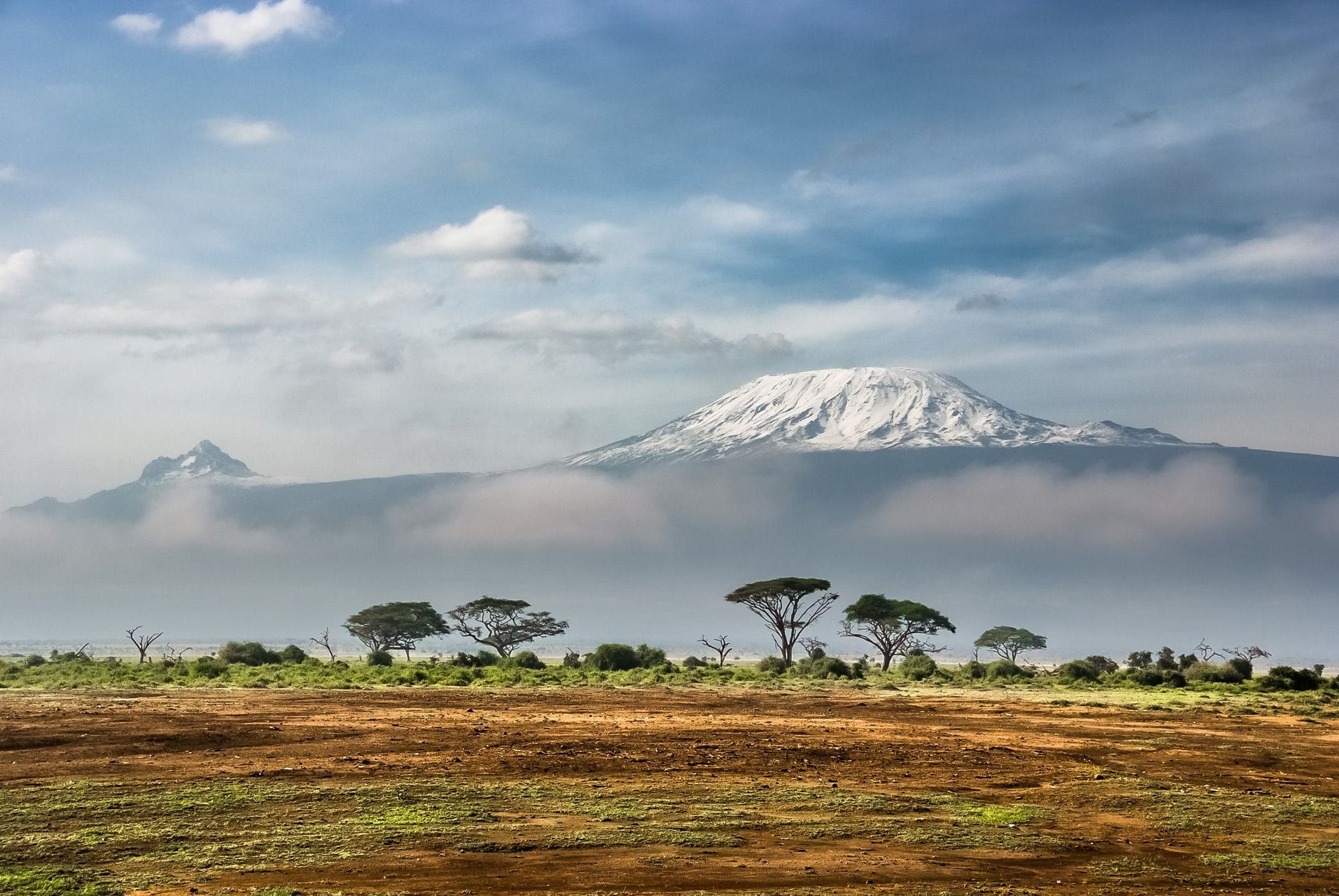
The company you hire to guide you up Kilimanjaro decides more about your trip than your fitness level, your gear, or even which route you pick. Two climbers can walk the same trail a week apart and have completely different experiences — one with a guide who spots early signs of altitude sickness and reroutes the pace, the other with a crew that's underpaid, undertrained, and rushing to get down. The operator is the variable that controls almost everything else.
There's no single company that's objectively 'best' for every climber. A solo traveler chasing value wants a different operator than a family paying for maximum safety margin. This guide gives you a framework to vet any operator yourself, a real price benchmark, named companies grouped by what they're actually good at, and the warning signs that mean walk away before you send a deposit.
Why Your Operator Choice Matters More Than Any Other Kilimanjaro Decision
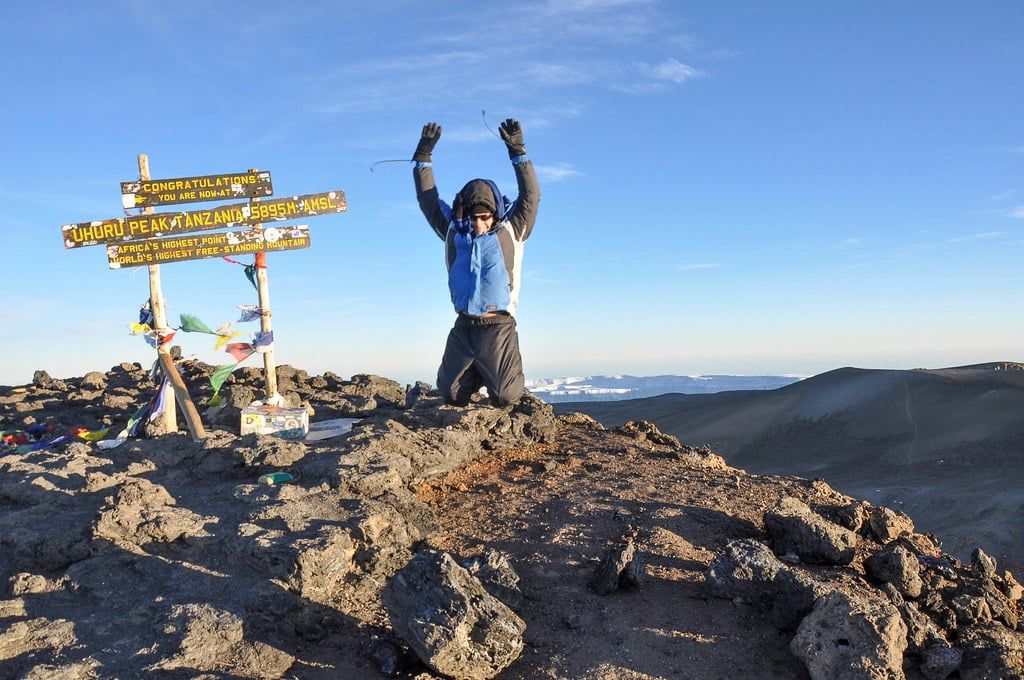
Tanzania doesn't allow independent climbing. Every trekker must book through a licensed operator, whose guide runs your pace, whose crew carries your safety gear, and whose itinerary decides how much time you get to acclimatize. Get that choice wrong and no amount of training on Stairmasters back home will fix a rushed schedule or an inexperienced guide.
Price alone doesn't predict whether you'll stand on Uhuru Peak. An expensive trek won't dramatically raise your odds if the itinerary itself is short — route length and acclimatization schedule matter as much as the name on your invoice. A well-run 8-day Lemosho climb through a mid-priced local outfit regularly beats a rushed 6-day trip from a premium brand, because an extra day at altitude does more for your lungs than an extra logo on the tent. Longer, quieter options like the Northern Circuit post some of the mountain's highest success rates for exactly this reason.
This article breaks the decision into four parts: what to check before paying a deposit, what a fair price actually looks like, which named operators suit which kind of traveler, and the red flags that should end the conversation. For itinerary-level detail once you've picked a company, the complete planning guide covers route choice and packing separately from operator vetting.
How to Evaluate a Kilimanjaro Tour Operator: The Checklist
Six checks separate a safe, fairly run operator from one that's cutting corners you won't see until you're already on the mountain. Work through them before you compare a single price.
Operator or Agent?
Plenty of the polished websites you'll find are Western booking agents, not the company actually running the climb. They take your payment, add a margin, and subcontract the real trip to a Tanzanian ground operator anyway — sometimes at nearly double what booking that same ground operator directly would cost. Ask outright: who is the ground operator on my exact departure, and what's their license number? A hesitant answer tells you what you need to know. Browsing climbing tours run directly by Tanzania-based teams is a useful way to compare against whatever an agent quotes you.
Licensing, Bonding, and Insurance
A legitimate operator holds a Tanzania Tourist Board operator license, financial bonding, and public liability insurance. Ask for the license number and check it rather than trusting a website claim. Bonding matters if a company folds mid-season — without it, a canceled trip usually means a lost deposit and no recourse at all.
Guide Ratios and Safety Gear
A safe operator runs roughly one guide for every two clients, on top of porters and dedicated summit-support staff. Reputable crews carry pulse oximeters to check blood-oxygen twice daily, a stocked medical kit, and emergency oxygen for descent scenarios. Ask what happens if someone in your group shows signs of altitude sickness at 4,600 m — a specific, rehearsed answer is worth far more than a reassuring one.
KPAP Membership and Porter Welfare
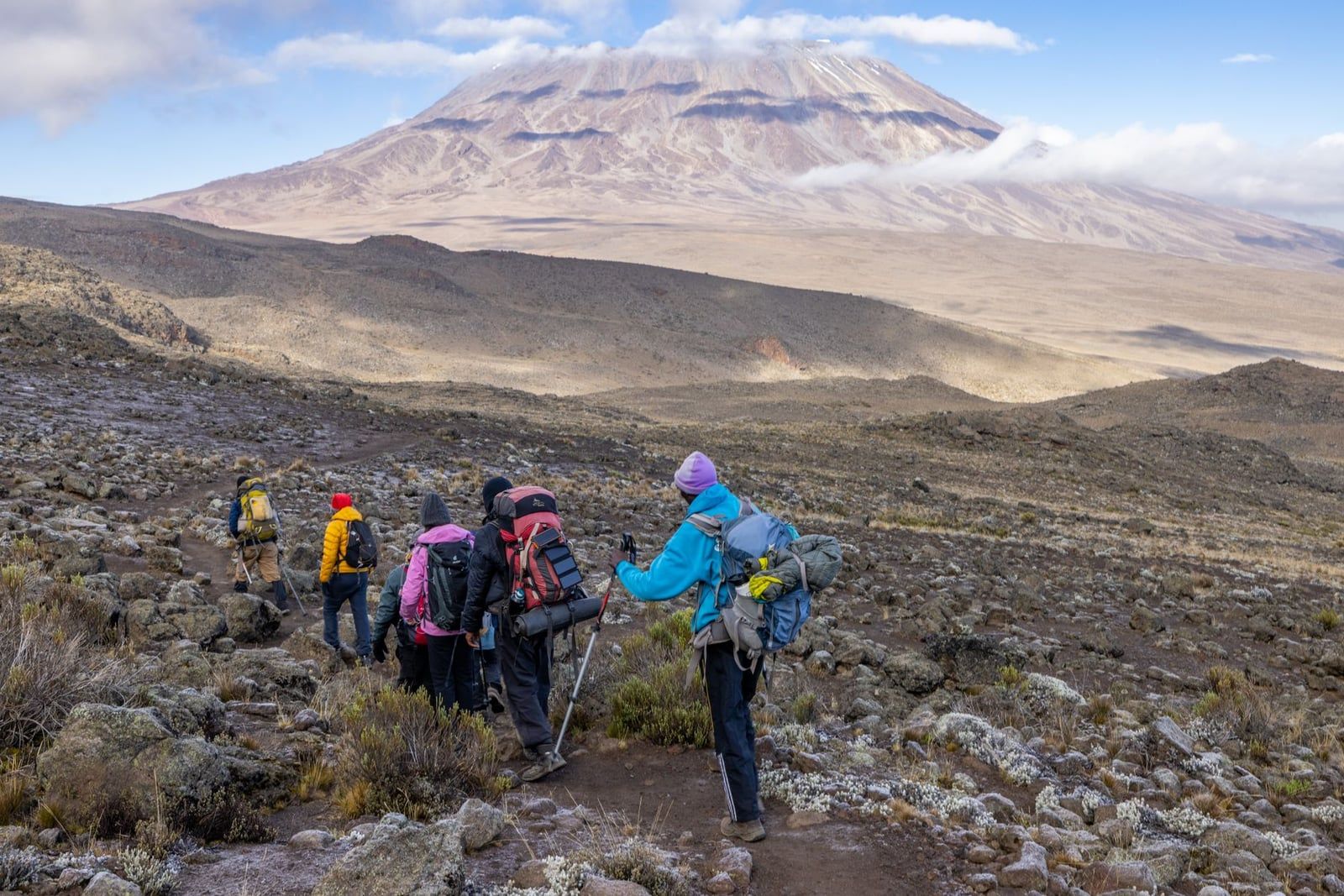
The Kilimanjaro Porters Assistance Project (KPAP) is the independent watchdog that verifies how operators actually treat their crews. KPAP-certified companies pay porters a minimum wage around $10 a day, cap loads at the legal 20 kg limit, issue proper boots and jackets, and settle wages within two days of descent. Porters haul your tents, food, and fuel up the same mountain you're paying to enjoy — an operator that cuts corners here is usually cutting corners on your safety gear too.
What the Price Should Include
A transparent quote itemizes park entry fees, camping or hut fees, the rescue fee, guides, cooks, porters, mountain meals, tents, and drinking water, plus pre- and post-climb hotel nights and airport transfers. The park's own fee structure is public — see the opening hours and entry fees page for the exact figures. If a quote arrives as a single flat number with no breakdown, ask for the itemization before you pay anything.
Reading Reviews Critically
A wall of generic five-star reviews — 'amazing trip, great guide' and nothing else — tells you less than a handful of long, specific ones that name a guide, describe the food, or explain how the crew handled a problem. Look at the pattern across TripAdvisor and Google, not just the star average, and treat repeated complaints about rushed pacing or poor communication as signal, not bad luck. Where you can, ask the operator to connect you with a past client directly — the honest ones will.
What a Kilimanjaro Climb Should Actually Cost
A fair, safe 7-8 day climb with a reputable operator runs about $2,700 to $4,000 per person. Park fees alone eat close to $1,000 of that: TANAPA charges $70 per person per day in conservation fees, $50 per night for camping (or $60 a night at Marangu's huts), a one-time $20 rescue fee, and 18% VAT on top of most of it. After fees and tax, an operator quoting near the $2,700 floor has roughly $1,200-$1,300 left to cover guides, porters, cooks, food, transport, and gear for the whole trip — which is exactly why anything well below that number should raise questions about wages or safety kit being cut.
Above $5,000, you're generally paying for a Western-based booking office, smaller group sizes, a longer acclimatization schedule, or a bundled safari extension. A 12-day trip pairing the climb with the Serengeti or Ngorongoro through an and safari tours package lands comfortably in that range once lodges and transfers are added. That premium buys comfort and convenience, not a meaningfully higher chance of reaching Uhuru Peak — that comes from route length and pacing, not the price tag.
| Tier | Typical price (7-8 days) | What you're actually paying for |
|---|---|---|
| Below the floor | Under about $2,500 | Likely cuts to porter wages, food, or safety gear — avoid |
| Fair value | $2,700-$4,000 | Licensed local operator, full crew, standard gear and fees covered |
| Premium | $5,000-$7,000+ | Western-based office, extra acclimatization days, safari add-ons |
Tips, a private portable toilet, single-room supplements, flights, and travel insurance sit outside all three tiers and get quoted separately almost everywhere. Guides, assistant guides, cooks, and porters are usually tipped collectively at a group ceremony on the last morning — budget for it as its own line item rather than assuming it's baked into the headline price.
Best Kilimanjaro Tour Operators by Category
A single ranked top-ten list is easy to game with affiliate links and rarely matches what any one traveler actually needs. It's more useful to match the operator to your priority. The names below are large enough to verify independently — check each one's KPAP status, TripAdvisor history, and Tanzania office address yourself before booking, on this list or anyone else's.
Best Value: Established Local Operators
Altezza Travel, Climbing Kilimanjaro, African Scenic Safaris, and African Environments all run climbs directly out of Arusha or Moshi with large in-country crews, which keeps prices near the fair-value floor. Altezza guided over 4,500 climbers in 2024, runs more than 60 vehicles and 3,000-plus mountain staff, and holds B Corp, Travelife, and KPAP certification — scale that lets it absorb bad weather or last-minute changes without the trip falling apart. Climbing Kilimanjaro and African Environments both price a standard 7-8 day Lemosho climb between roughly $2,890 and $3,500, with the same fee structure and crew standards behind them. This tier is where most travelers should be shopping.
Best for Premium Safety and Comfort
Tusker Trail and Thompson Treks sit at the top of the price scale, both around $6,490-$6,590 for a comparable Lemosho itinerary, and the extra spend buys deeper safety redundancy. Tusker publishes a 98% success rate on its Lemosho route and carries U.S. Army-style patient transport litters for evacuation — the kind of backup that matters if something goes wrong at 5,000 m and a fast, controlled descent is the only fix. Book this tier if the trip is a once-in-a-lifetime event and budget isn't the deciding factor.
Best for Porter Welfare and Ethics
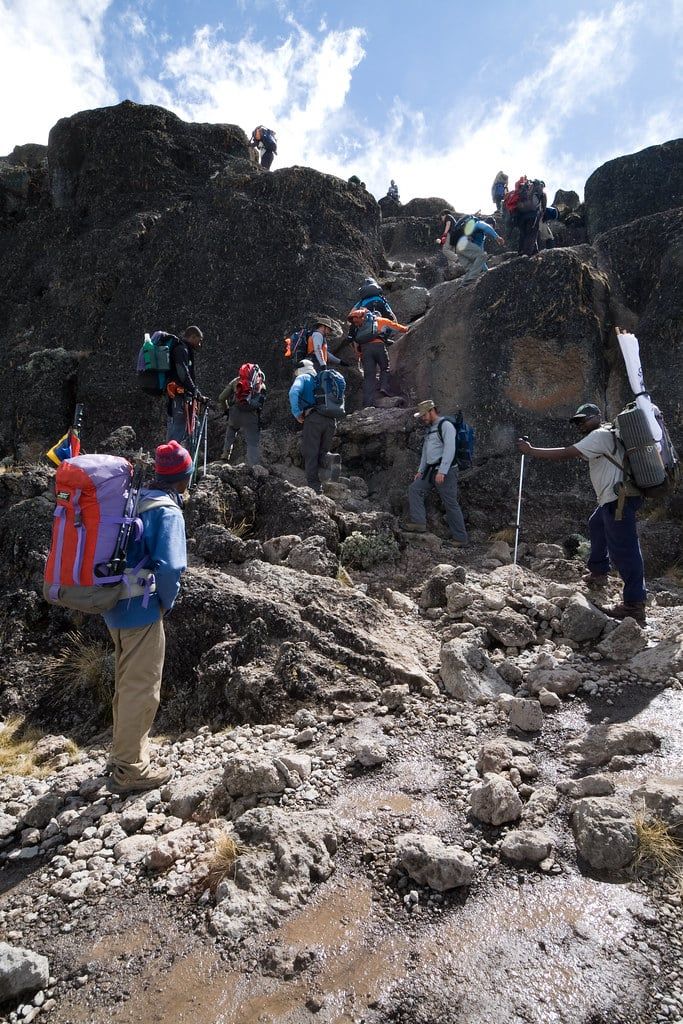
OneSeed Expeditions and African Environments both partner with KPAP and publish specifics instead of vague promises. OneSeed caps group departures at around 10 travelers and limits each porter's duffel to 22 lb (10 kg) on top of their own gear, well under the legal 20 kg ceiling. Its 12-day itinerary, which folds in a short safari extension, runs around $4,950. Travelers who want their spending to visibly support the crew, not just the guide, should start here.
Best for Solo Travelers and Fixed Group Departures
G Adventures runs scheduled small-group departures that solo travelers can join without a single-supplement penalty, backed by a global brand with support outside Tanzania. Its 10-day Lemosho trip includes two hotel nights, seven nights camping, a full guide-cook-porter crew, pulse oximeters, and emergency oxygen, priced $3,449-$4,599 depending on season. Travelers who'd rather build their own itinerary and crew from scratch should look at private tours instead.
Best for Transparent Online Booking
Skyhook Adventure publishes full itineraries, inclusions, and a fixed price — around $2,850 for 7-8 days on Lemosho — directly on its site, which suits travelers who'd rather compare and book than wait through a back-and-forth quote process. It's a smaller outfit than Altezza or G Adventures, so ask directly about the guide-to-client ratio on your specific date rather than assuming a company-wide average applies.
Any list crowning a single 'official' winner — including a company's own site ranking itself first — deserves a second look. Verify KPAP membership against KPAP's own partner list, check how many years an operator has run under its current name, and confirm a real street address in Arusha or Moshi before wiring a deposit to any name on this page or anyone else's.
Red Flags: How to Spot a Bad or Scam Operator
Most Kilimanjaro horror stories trace back to a handful of warning signs that are checkable before you pay anything.
- No verifiable Arusha or Moshi office address or landline — WhatsApp-only contact is a structural red flag.
- Quoted price sits well under the roughly $2,700 fair-value floor for a 7-8 day climb.
- Vague or evasive answers about park fees, porter wages, or safety equipment.
- Pressure to pay the full amount upfront by cash or wire transfer with no written contract.
- Suspiciously uniform five-star reviews with no real detail, or almost no reviews at all.
- No mention of KPAP, TPO, or Kilimanjaro Guides Association membership anywhere on the site.
A few glowing TripAdvisor reviews aren't proof of anything by themselves — some outfits with a handful of good reviews have already gone out of business or never had a real office to begin with. Cross-reference the company name against KPAP's published partner list and ask for a Tanzania business registration number before sending any deposit.
Questions to Ask Before You Book
Copy these six lines into an email to every operator on your shortlist. The quality of the answers tells you more than any marketing page will.
- Who is the ground operator actually running my specific departure date?
- What's the guide-to-client ratio, and how many oxygen cylinders and pulse oximeters travel with the group?
- What exactly is included versus excluded — toilet tent, tips, transfers, single supplement?
- Are you a KPAP member, and can you show porter wage and load records?
- What's your protocol if I show altitude sickness symptoms mid-climb?
- What happens if my inbound flight is delayed or I need to reschedule?
Send the same six questions to two or three shortlisted operators and compare the answers side by side. The company that answers in specifics, not reassurances, is usually the one worth booking.
Frequently asked questions
Who is the best Kilimanjaro tour operator?
There isn't one universal best — it depends on whether you're prioritizing value, safety, ethics, or a solo-friendly group. Frequently cited, verifiable names include Altezza Travel, Climbing Kilimanjaro, Tusker Trail, African Scenic Safaris, and African Environments. Shortlist two or three by category and vet each against the checklist above rather than trusting one ranked list.
How much should I pay for a Kilimanjaro climb?
A fair 7-8 day climb with a reputable operator generally runs $2,700-$4,000; premium, Western-based operators run $5,000-$7,000 or more. Below about $2,500-$2,700, something is likely being cut, since park fees alone run near $700-$1,000 per climber before wages, food, or gear are even paid.
What is KPAP and why does it matter when choosing an operator?
KPAP (Kilimanjaro Porters Assistance Project) is an independent group that verifies porter wages, load limits, and treatment. KPAP-certified operators must pay porters roughly $10 a day minimum, cap loads at 20 kg, and pay wages within two days of descent — one of the clearest independent signals of an ethical company.
Should I book directly with a Tanzanian company or through an overseas agent?
Booking directly with a licensed Tanzania-based operator is usually cheaper. Overseas agents add a commission — sometimes nearly doubling the price — while still subcontracting the actual climb to the same local ground operator.
What should be included in a Kilimanjaro tour price?
A transparent quote covers park, camping, and rescue fees, guides, cooks, porters, mountain meals, tents, and drinking water, plus typically pre- and post-climb hotel nights and airport transfers. Tips, alcohol, visas, flights, insurance, and sometimes a private portable toilet are commonly excluded.
How do I verify a Kilimanjaro operator isn't a scam?
Confirm a physical Arusha or Moshi office address and phone number, cross-check KPAP membership, read detailed reviews rather than just star ratings, and be wary of prices far below the roughly $2,500-$2,700 floor or demands for full upfront cash payment with no contract.
What guide-to-client ratio should a good operator offer?
A commonly recommended minimum is about one guide for every two clients, plus additional summit-support staff. Ask the operator directly what ratio applies to your specific departure rather than assuming a general company policy covers it.
Does paying more guarantee a higher summit success rate?
Not directly. Route choice and trip length (7 days or more) matter more for summit success than price alone, though pricier operators are often better resourced to handle problems, and cheap trips tend to be shorter, which correlates with lower success rates.