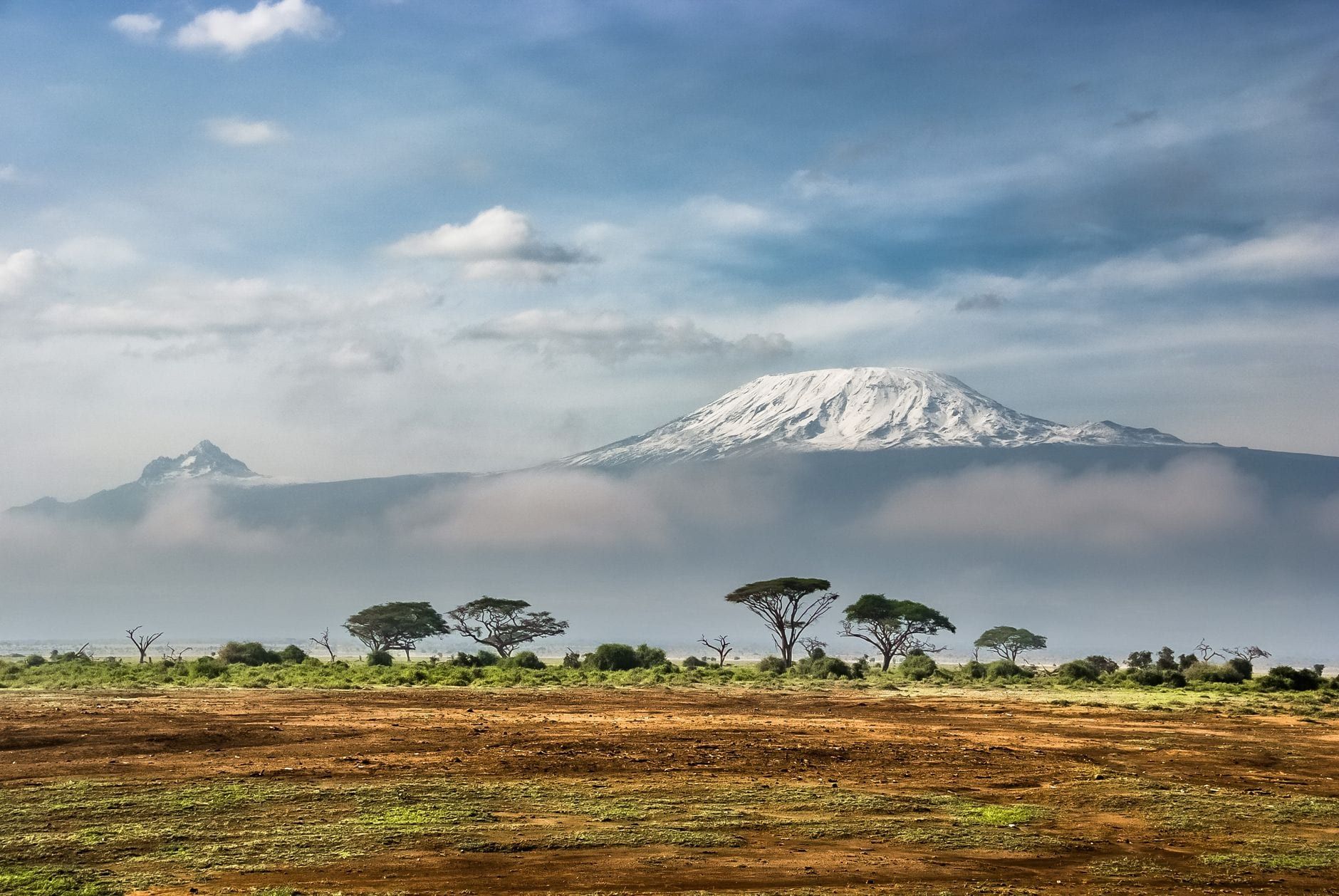
A guided Kilimanjaro climb costs $1,500 to $7,000 or more per person, though most reputable operators land between $2,200 and $3,500 for a solid 7-day trek. That figure covers your park permits, crew, food, and camping gear on the mountain. It doesn't cover flights, tips, or the gear you pack in your own duffel bag.
The spread is wide because Kilimanjaro isn't priced like a hotel room. Government fees are fixed no matter who you book with, but everything layered on top of them — crew size, food quality, safety kit, route length — varies enormously between operators. Know where the money goes and you can spot a bargain that's actually a safety risk, or a premium price tag that's mostly margin. For the wider planning picture beyond cost, our guide to Kilimanjaro's history and practical highlights is a good next stop.
Kilimanjaro Climbing Costs at a Glance
Three price tiers cover almost every legitimate Kilimanjaro operator on the market.
Budget: $1,500-$2,200
This tier gets you onto the mountain with the legal minimum: a licensed guide, porters, tents, and government permits. Group sizes run large to spread fixed costs, food is basic and repetitive, and itineraries often default to the shortest legal route. Some operators here still treat porters fairly — check for KPAP affiliation before you book — but many cut wages or safety kit to hit the price point.
Mid-range: $2,200-$3,500
Most climbers should be shopping here. This band buys a properly staffed crew paid at fair rates, decent food, a spare oxygen cylinder and pulse oximeter, and a 7-8 day itinerary long enough for real acclimatization. Browse a season's worth of departures on our Kilimanjaro climbing tours page and you'll see most quality operators cluster right in this range.
Premium: $3,500-$6,000+
Above $3,500 you're paying for exclusivity more than safety: private departures, higher staff-to-climber ratios, proper mess tents, hot shower buckets, and sometimes an evacuation retainer built into the price. A private trek with your own crew and flexible pacing sits at this end. It's worth it for solitude and comfort, unnecessary if you're fit, flexible, and happy sharing a route.
Where Your Money Goes: Full Cost Breakdown
Break down a typical mid-range 7-day Lemosho package and the money splits into six buckets.
| Category | Typical cost | Share of total |
|---|---|---|
| Park fees (TANAPA) | $850-$1,100 | 35-45% |
| Crew wages | $400-$600 | 20-25% |
| Food and water | $150-$250 | 8-12% |
| Group equipment | $100-$180 | 5-8% |
| Transfers and hotel nights | $180-$340 | 9-14% |
| Operator overhead | $200-$350 | 10-15% |
Park fees dominate because they're fixed by the government and unavoidable. Crew wages pay a lead guide, one or two assistant guides, a cook, and enough porters to carry group and personal gear within the legal 20kg-per-porter limit. Food and water covers three cooked meals a day plus boiled drinking water the whole way up. The rest — transfers, hotel nights, group equipment, and operator overhead — is where quality and margin actually diverge between companies quoting wildly different prices for the same route.
Kilimanjaro Park Fees Explained
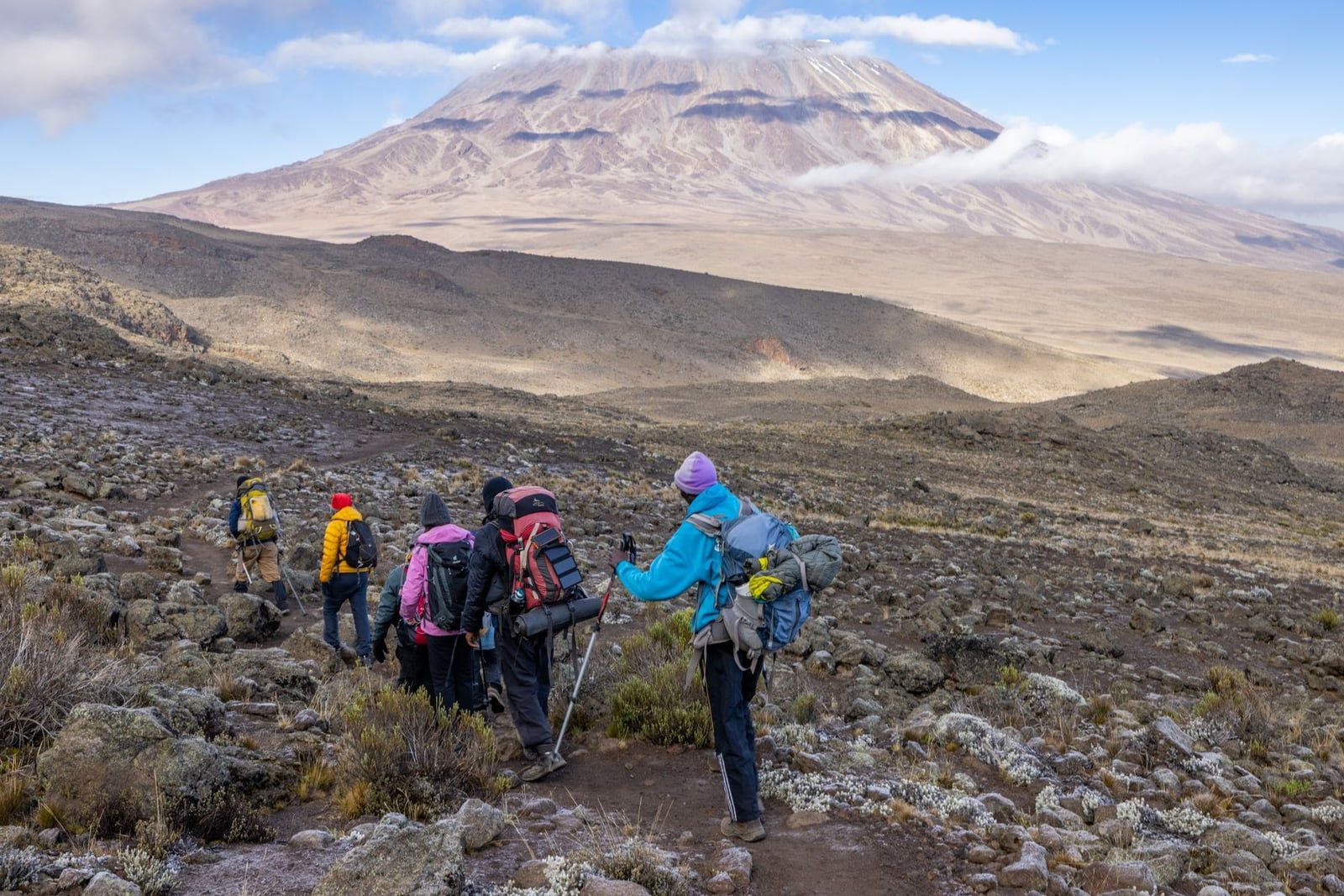
Every operator pays the identical government fee schedule set by TANAPA (Tanzania National Parks Authority) for Kilimanjaro National Park, so this part of your quote can't legally vary.
- Conservation/entry fee: $70 per person, per day, on every route
- Camping fee: $50 per person, per night (non-Marangu routes)
- Hut fee: $60 per person, per night, Marangu route only
- Rescue fee: $20 per climber, once per trip
- Crew entry fee: $2 per crew member, paid by the operator
- 18% VAT added to most of the above
Add it up over a 7-day trek and a solo climber owes roughly $900-$1,200 in government fees before a single dollar goes to crew wages, food, or the operator's margin. Ask any operator to itemize park fees separately from their own service charge — our Kilimanjaro fees and opening hours page lists the official current schedule if you want to check a quote against it. If a quote can't account for that baseline, walk away.
Cost by Route and Trek Length
Route choice moves your total price by thousands of dollars, mostly because it changes how many days you're paying park fees, wages, and food for.
| Route | Typical duration | Price range | Summit success rate |
|---|---|---|---|
| Marangu | 5-6 days | $1,600-$3,500 | 50-65% |
| Machame | 6-7 days | $1,800-$4,500 | 70-80% |
| Rongai | 6-7 days | $1,800-$4,500 | 70-80% |
| Lemosho | 7-8 days | $2,100-$5,500 | ~85% |
| Northern Circuit | 8-9 days | $2,500-$6,000+ | 85%+ |
Marangu is cheapest because it swaps tents for dormitory huts and can be walked in 5-6 days, but that speed costs you acclimatization time, and its summit success rate lags the rest of the mountain. Machame, the most popular route, is the best value for most first-timers; read the full Machame route itinerary and cost guide before booking. Lemosho and the Northern Circuit cost more simply because they take longer, but that extra time turns a 50% shot at the summit into an 85% one. See the full breakdowns for the Lemosho route and the Northern Circuit. If your budget allows only one splurge, spend it on an extra day, not a fancier tent.
Extra Costs Not Included in Your Package
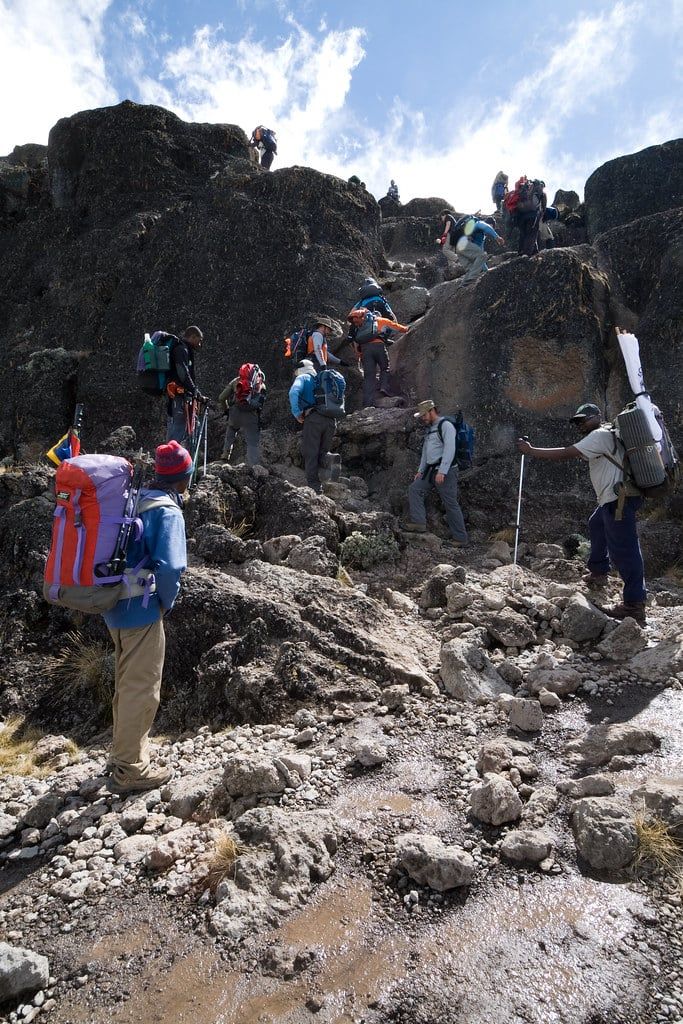
Your operator's quote covers the mountain. It doesn't cover getting there or getting insured, and first-timers routinely underestimate this half of the budget.
- Flights to Kilimanjaro International Airport (JRO): $600-$1,400 (US), £500-£1,200 (UK)
- Tanzania e-visa: about $50, apply in advance online
- Travel insurance with altitude and evacuation cover: $80-$200
- Vaccinations and malaria prophylaxis: budget $50-$150
- Climbing gear bought new: $400-$800; Moshi rentals run $5-$15 per item
- Extra hotel nights and spending money in Moshi: roughly $50-$100 per night
The one gap you can't afford to skip is evacuation cover. Without it, a helicopter rescue off the mountain can cost $3,000-$5,000 out of pocket. Insurance that specifically names altitude and evacuation costs $80-$200 and is the cheapest peace of mind on the whole trip. Sort your flight timing early, too, since fares to JRO shift a lot by season.
Tipping Your Kilimanjaro Crew
Tipping feels optional on paper and mandatory in practice. It's how guides, cooks, and porters earn a living wage on top of low base pay, and every operator expects it.
The Kilimanjaro Porters Assistance Project (KPAP) publishes benchmark daily rates: about $20 for the lead guide, $12 for each assistant guide, $12 for the cook, and $6 per porter. Multiply that across a 7-day climb and a typical group tips out somewhere between $250 and $350 per climber, usually pooled and handed over at a short ceremony on the last morning at the gate. Bring the total in small USD bills. Cash machines don't exist on the mountain, and crew can't make change for a $100 note.
Why the Price Range Is So Wide: Spotting a Red-Flag Cheap Deal
Two operators quoting the same route and the same number of days can differ by $1,500 or more, and the difference almost always comes down to what happens to the crew, not the client.
Porters are legally capped at 20kg each and weighed at gate checkpoints, but budget operators under pressure sometimes push loads past that limit or understaff a trek to save on wages. Cheap trips also tend to skip an oxygen cylinder and pulse oximeter, the basic kit a guide uses to catch altitude sickness before it turns into HAPE or HACE. Guide-to-climber ratios shrink too: one guide watching eight climbers can't do what one guide watching four can.
KPAP partner status is the fastest way to check a company's ethics without reading a single review — it means the operator has agreed to independent audits of porter pay, gear, and meals. Before you book, ask directly whether park fees and VAT are included, what the guide-to-climber ratio is, and whether oxygen is carried on every trip. Our guide to choosing a Kilimanjaro operator runs through the full vetting checklist. A slightly higher price that answers all three questions confidently beats a cheap one that dodges them.
How to Budget Your Total Trip Cost (and Save Without Cutting Corners)
Add the mountain package to everything around it and a mid-range climb from the UK totals roughly £4,000-£5,500 per person once flights, insurance, visa, vaccinations, some gear, and tips are in. From the US, plan on $5,000-$7,000 all in.
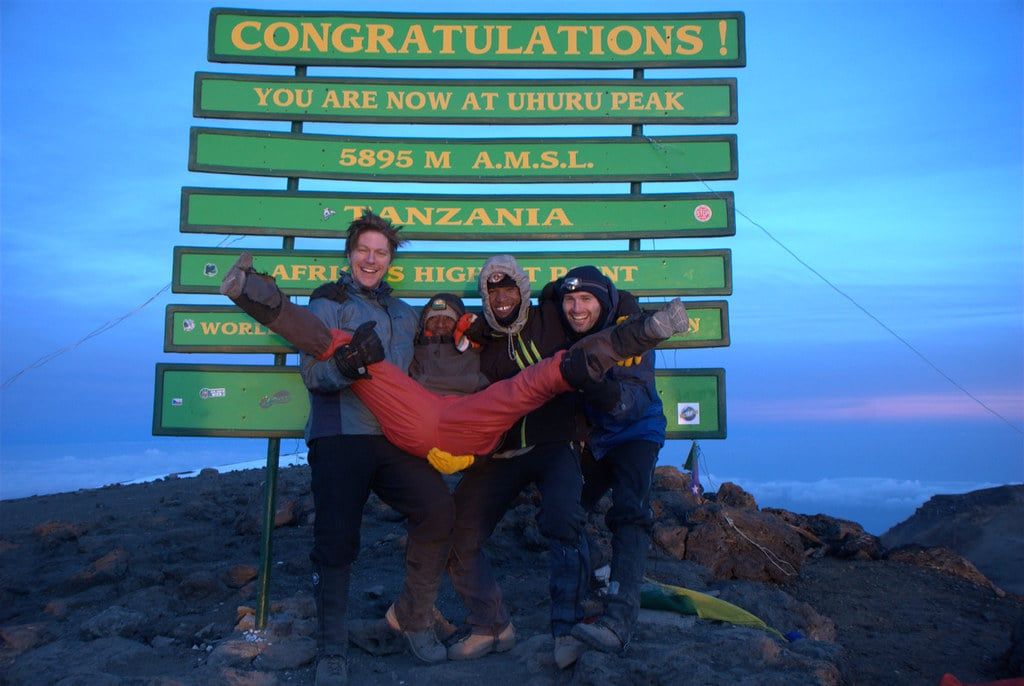
You can trim that total without touching safety. Join a scheduled group departure instead of booking private — you'll share the fixed park-fee overhead with other climbers at the same crew ratio. Travel in the March-May or November shoulder windows, when some operators drop rates, though that period also brings more rain. Rent gear in Moshi instead of buying a summit-only down suit you'll never wear again. And pick your route for fit, not just price. A cheap 5-day Marangu attempt that fails at 60% odds costs more, in money and disappointment, than a properly acclimatized 8-day trek that actually gets you to Uhuru Peak.
Frequently asked questions
Is $2,000 enough to climb Kilimanjaro?
Only at the very bottom of the budget tier, and only if park fees are genuinely included. A 7-day trek's mandatory government fees alone run $900-$1,200, so a $2,000 all-in quote leaves little room for a trained crew, real food, or oxygen. Push toward $2,200-$2,500 if you can.
What is the cheapest route to climb Kilimanjaro?
Marangu, nicknamed the Coca-Cola Route, is the cheapest at roughly $1,600-$3,500 because it uses dormitory huts instead of tents and can be walked in 5-6 days. It also has one of the lowest summit success rates on the mountain, so treat the savings as a trade-off, not a free lunch.
Are park fees included in the quoted price?
They should be with any licensed operator, but some budget quotes exclude TANAPA fees and add them later, or bury VAT in the fine print. Ask explicitly whether the price includes park entry, camping or hut fees, the rescue fee, and 18% VAT.
How much are flights to Kilimanjaro?
Return flights to Kilimanjaro International Airport (JRO) typically run $600-$1,400 from the US or £500-£1,200 from the UK, depending on season and how far ahead you book. Routing through Nairobi is often cheaper than flying direct.
Why is climbing Kilimanjaro so expensive?
Solo climbing is illegal, so every trekker pays for a licensed guide and a full paid crew on top of government fees that already run $900-$1,200 per person for a week on the mountain. Multiply that crew, food, and equipment across 6-9 days in a remote national park and the cost adds up fast.
How much should I budget in total for a Kilimanjaro trip?
For a mid-range climb including flights, insurance, visa, vaccinations, some gear, and tips, budget roughly £4,000-£5,500 from the UK or $5,000-$7,000 from the US, on top of whatever the tour package itself costs.
How much should I tip on Kilimanjaro?
Budget around $250-$350 per climber for a 7-day trek, following KPAP's benchmark rates of roughly $20 a day for the lead guide, $12 for assistant guides and the cook, and $6 per porter. Bring it in small USD bills for the tipping ceremony on the last morning.
Does a more expensive Kilimanjaro climb mean a better chance of reaching the summit?
Not directly. Price mainly buys safety equipment, staff ratios, and comfort, while the single biggest lever for summit success is trip length — a longer route with more acclimatization days beats a shorter, pricier one every time.