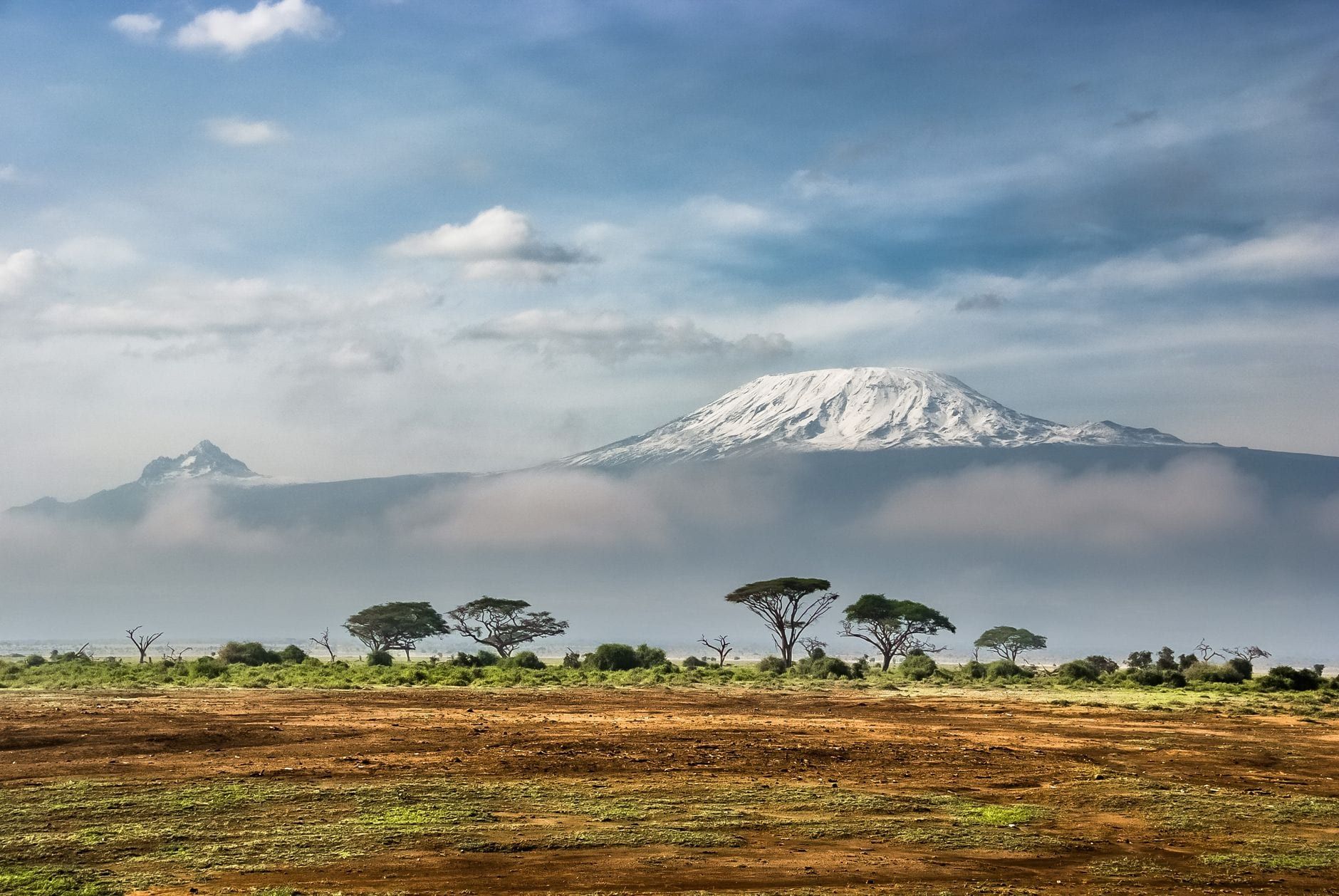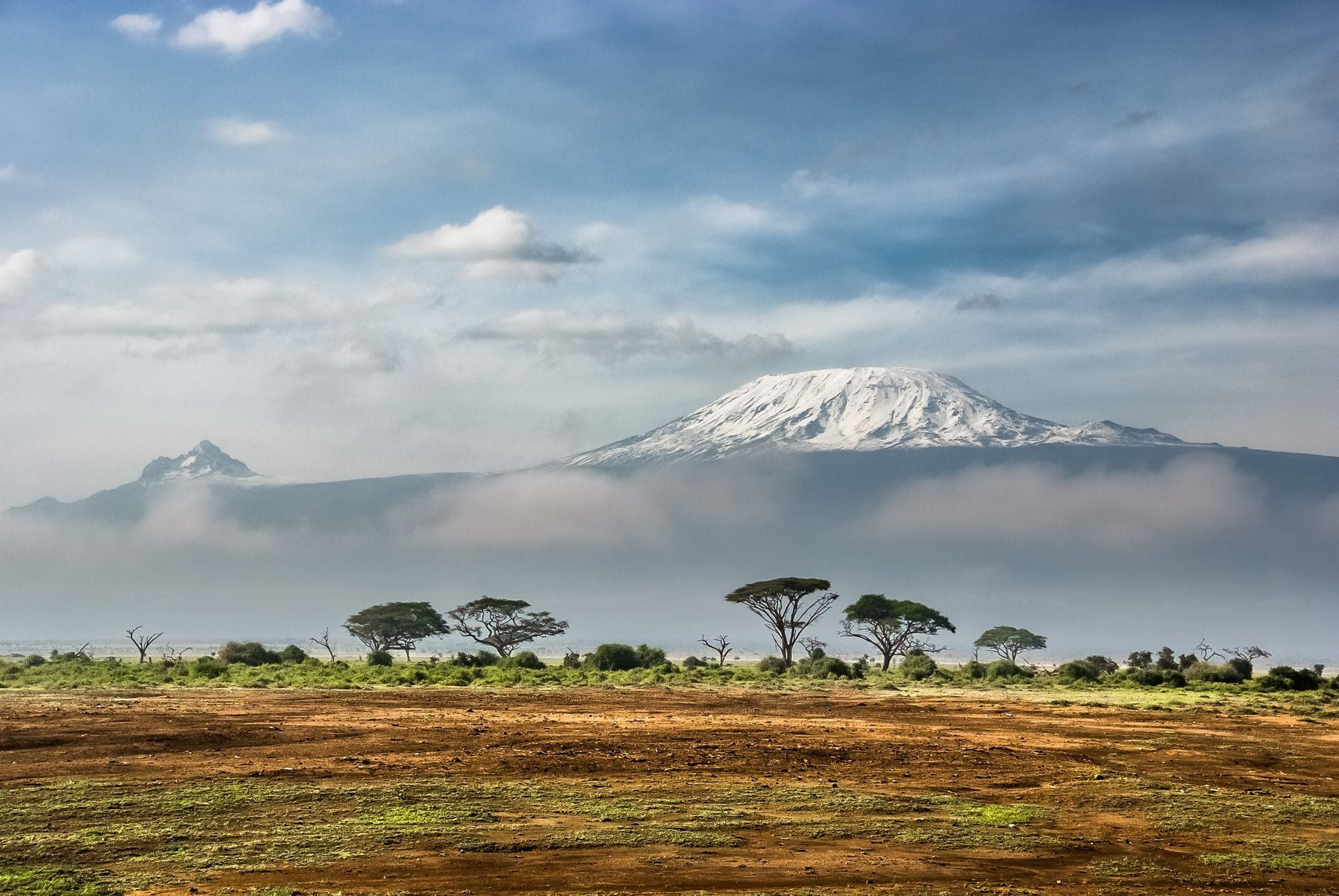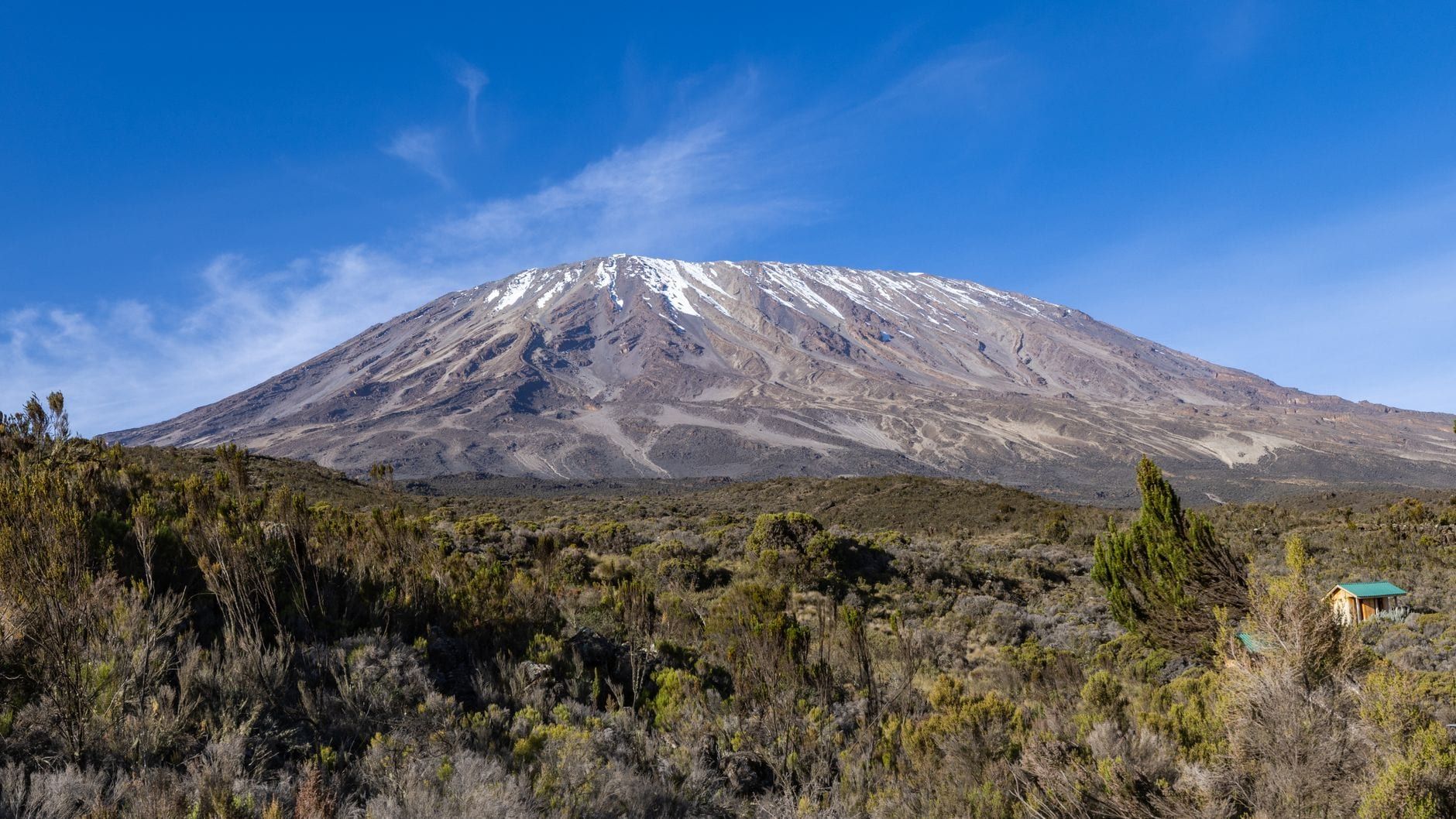
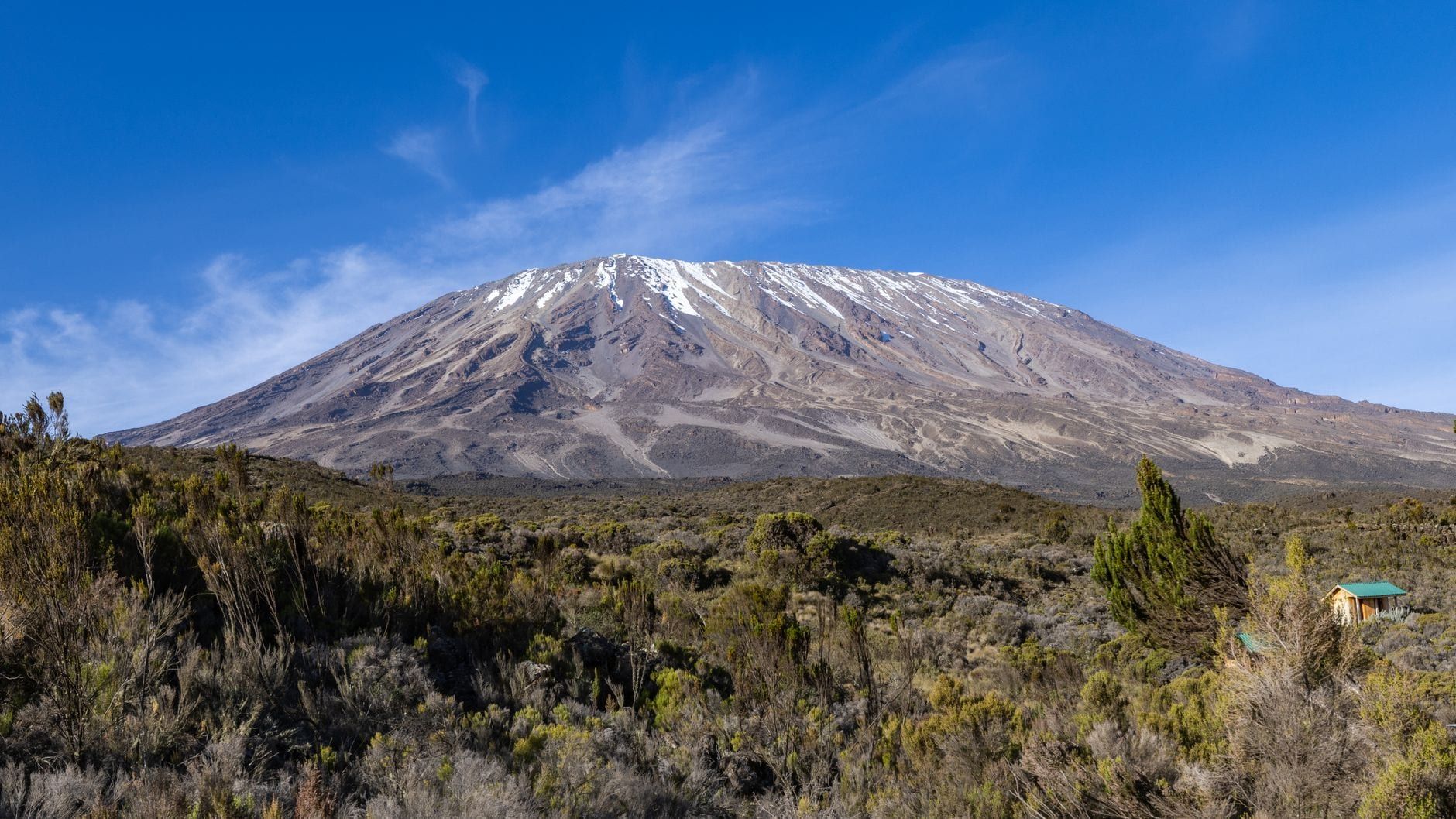
The Northern Circuit is the longest way up Kilimanjaro and the newest official route on the mountain. It shares its first two days with the Lemosho route, then peels off north into terrain most Kilimanjaro climbers never see, circling almost the entire mountain before summiting from the east.
That extra distance buys something specific: more time to acclimatize, near-total solitude, and reportedly the highest summit success rate of any route on Kilimanjaro. It also costs more and takes longer than every other option, so it isn't the default pick for a first climb. Here's what the route actually involves, day by day, and who should book it.
What Is the Northern Circuit Route?
The Northern Circuit begins at Londorossi Gate on Kilimanjaro's western side, the same starting point as the Lemosho route. Both trails climb together through rainforest to Mti Mkubwa camp and on to the Shira Plateau, a volcanic caldera floor sitting around 3,800-4,000 m. From there the Northern Circuit breaks away, turning north instead of cutting east toward Barranco. It loops clockwise around Kibo's rarely visited northern flank, passing Moir Hut, Buffalo (Pofu) Camp, and Third Cave, before curving south to summit from the east and descending via the Mweka route.
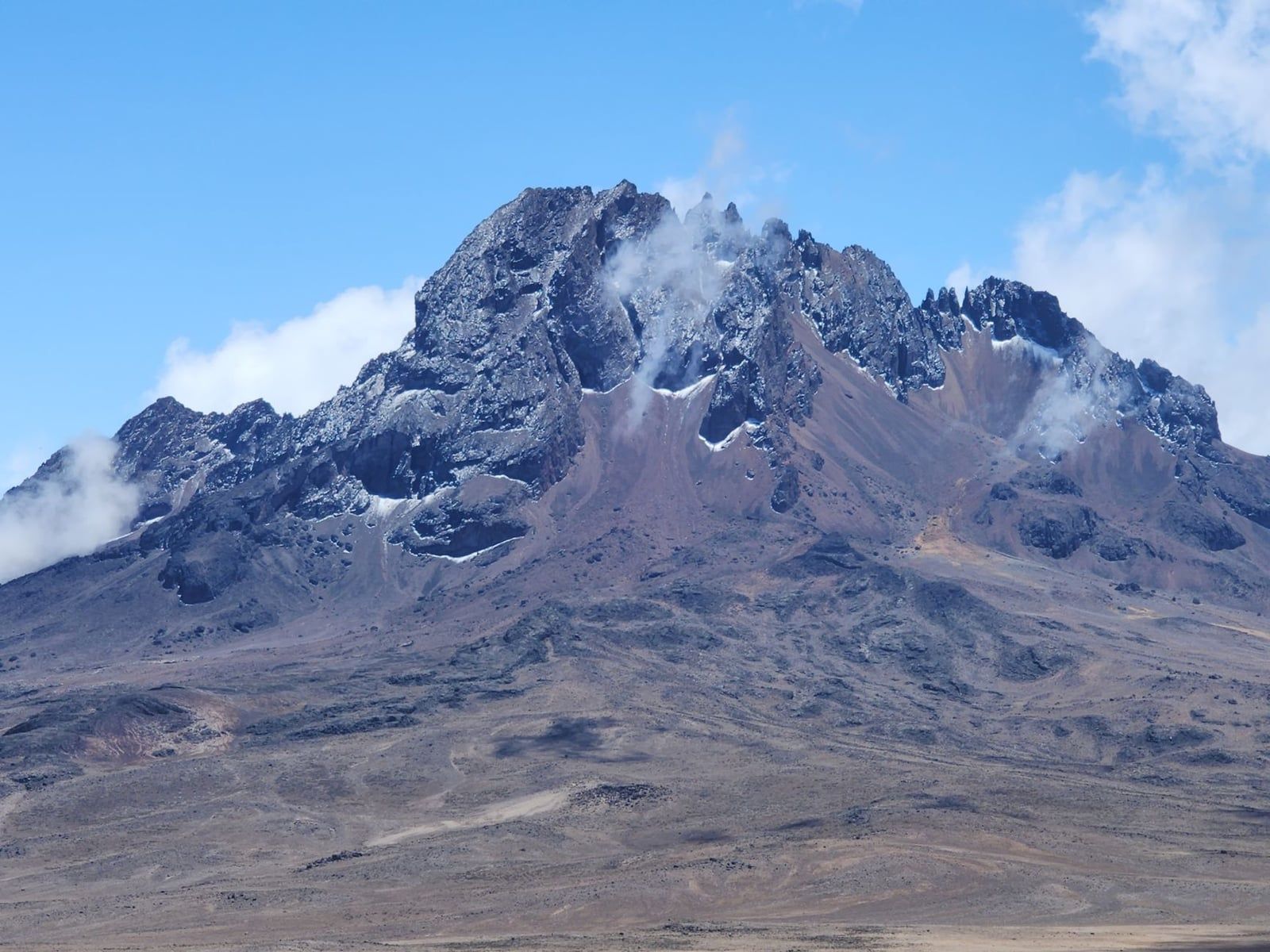
That loop is why guides sometimes call it the Grand Traverse: it's the only Kilimanjaro route that shows the mountain from all four sides, from the rainforest west to Mawenzi's jagged east face. It's also the newest addition to the mountain's route network, built to spread trekking pressure away from the busier Machame and Marangu corridors. For a fuller picture of the mountain itself, see our overview of Kilimanjaro.
Northern Circuit at a Glance: Key Facts
Here's the route in numbers, for anyone deciding in the next thirty seconds whether it fits their trip.
| Metric | Detail |
|---|---|
| Length | 87-90 km (53-56 mi) — the longest Kilimanjaro route |
| Standard duration | 9 days (minimum 8) |
| Start / finish gates | Londorossi (Lemosho side) to Mweka |
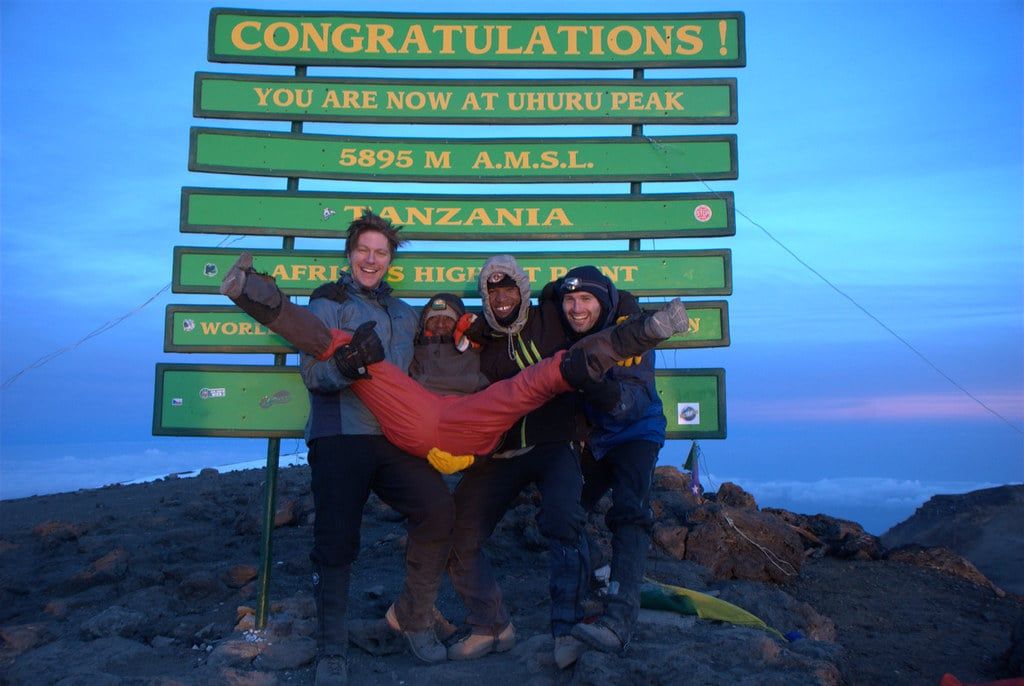
| Summit elevation | 5,895 m (19,341 ft), Uhuru Peak |
| Summit success rate | 90-98% (operator-reported, no official park-wide figure) |
| Climate zones crossed | 5 — rainforest to arctic summit |
The extra distance and days buy something concrete: five distinct climate zones from cultivated farmland to arctic summit, rather than the three or four most shorter routes cross, plus a gentler daily altitude gain. Guides typically rate it moderate in physical difficulty, with no technical scrambling like the Barranco Wall. The summit night itself is still long and cold, no matter how gradually you got there.
Day-by-Day Northern Circuit Itinerary
The standard 9-day itinerary is the backbone here; 8-day, daytime-summit, and 10-day crater-camp variants tweak individual days without changing the route's overall arc around the mountain.
Days 1-2: Rainforest to Shira Plateau
The trek starts at Londorossi Gate, around 2,250 m, with a short drive to the trailhead near Lemosho Glades. Day one climbs through montane rainforest, where colobus and blue monkeys move through the canopy overhead, to Mti Mkubwa ('Big Tree') Camp at roughly 2,800 m — a three-to-four-hour walk. Day two continues up through heath and moorland to Shira 1 Camp on the plateau's western edge, gaining about 600 m over five or six hours.
Days 3-4: Lava Tower and Moir Hut
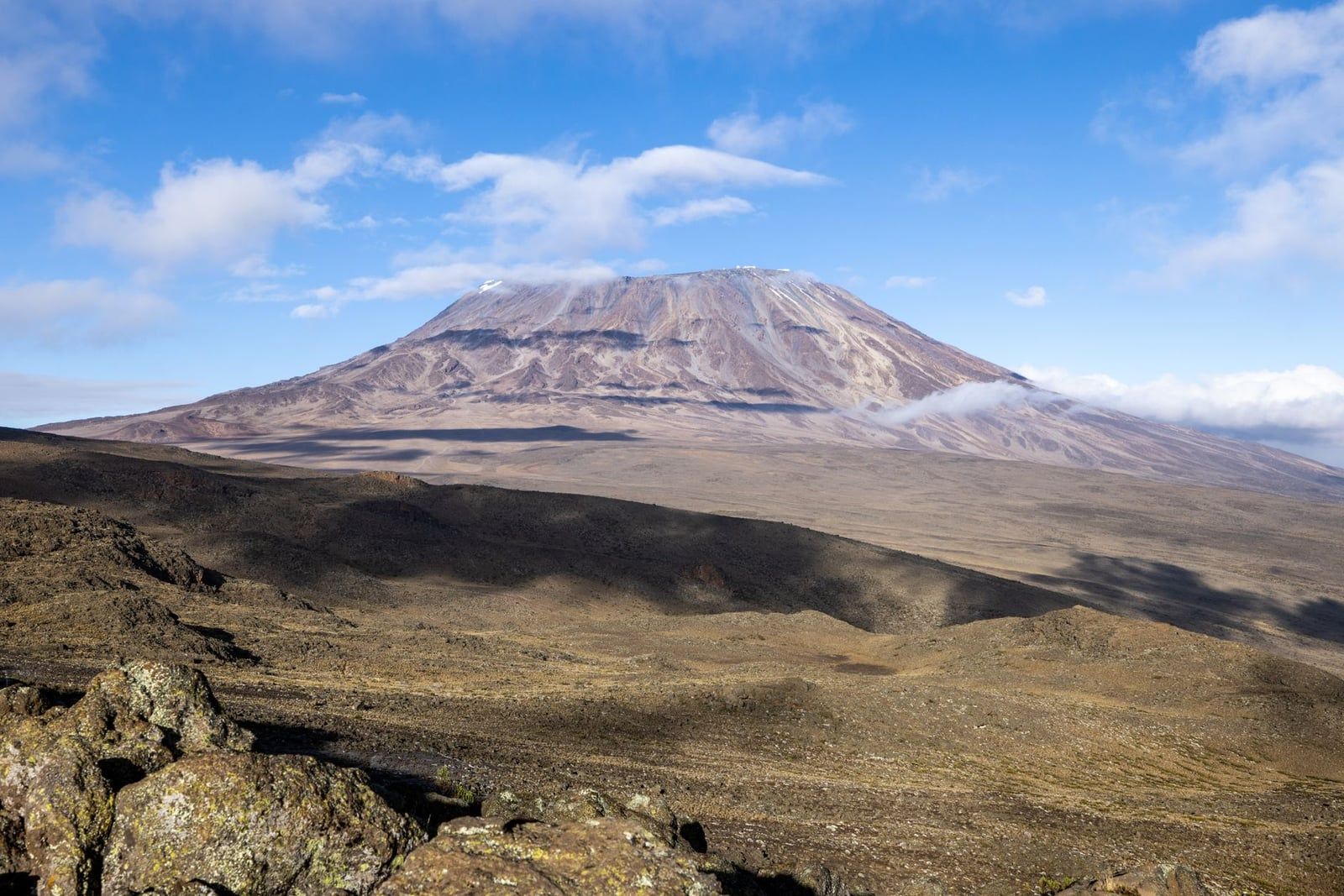
Day three crosses the Shira Plateau, often with a detour up to Lava Tower, a volcanic plug well above 4,500 m that helps with acclimatization before dropping to Moir Hut for the night — a textbook 'climb high, sleep low' day. Day four turns north here, away from the Lemosho and Machame crowds, contouring the base of Kibo toward Buffalo (Pofu) Camp. The 8-day version of the Northern Circuit skips the Lava Tower detour and merges some of these camps to save a day.
Days 5-6: The Northern Slopes
This is the stretch that makes the extra days worth it. The northern slopes see a fraction of the traffic on Machame or Marangu, and days five and six move through open alpine desert with Mawenzi's jagged profile visible across the saddle. Camps at Buffalo/Pofu and Third Cave sit at progressively higher elevation, banking altitude adjustment before the push to the roof of Africa.
Day 7: To the Saddle
From Third Cave the route curves south to School Hut or Kibo Hut on the Saddle, the flat high-altitude plain between Kibo and Mawenzi. This is also where Northern Circuit trekkers briefly cross paths with climbers coming up the Rongai route. It's a short day by mountain standards, deliberately so — the goal is to arrive rested for summit night.
Day 8: Summit Night
Climbers typically leave camp around 11pm to midnight, reaching Gilman's Point (5,681 m) on the crater rim after five to seven hours of switchbacking scree in the dark. From there it's another hour or so around the rim, past Stella Point, to Uhuru Peak at 5,895 m — dawn usually breaks somewhere on that final stretch. The standard itinerary then descends the same day all the way to Mweka Camp, a 13-to-17-hour day in total. Daytime-summit variants follow the identical route but climb in daylight instead, stopping at Barafu Camp rather than pushing on to Mweka, which suits anyone who dreads night cold more than an extra morning on the mountain.
Day 9: Descent to Mweka Gate
The final day drops back through rainforest to Mweka Gate, where TANAPA rangers issue summit certificates. Climbers wanting a night inside the crater itself can add a tenth day: the Northern Crater variant overnights near the Furtwängler Glacier and the Ash Pit just below the summit. The altitude risk of sleeping above 5,700 m means most operators only run it as a private, special-request climb.
Pros and Cons of the Northern Circuit Route
The Northern Circuit's reputation for quiet trails and high success rates is earned, but it comes with real trade-offs against the shorter, cheaper routes.
- Near-360° views spanning western rainforest, northern alpine desert, and Mawenzi's east face.
- The quietest route on the mountain, with campsites that stay calm even in peak season.
- The longest acclimatization profile of any route, and the highest reported success rates.
- Only route showing Kilimanjaro from all four sides before the summit push.
- The most expensive route: extra days mean extra guide, porter, and park fees.
- The longest time commitment — 8 to 9-plus days on the mountain, plus travel.
- Summit night is still a long, cold push regardless of how well you've acclimatized.
This route suits first-time climbers who'd rather pay more for better odds, older trekkers who want a gentler daily pace, and families who can spare the extra days. Climbers on a tight budget or schedule, or anyone who's already summited once and wants a faster line, are better off on a shorter climbing route instead.
Northern Circuit vs Other Kilimanjaro Routes
The Northern Circuit is best understood as an extended, quieter version of Lemosho: the two share their first two to three days before the Northern Circuit branches off to circle the mountain's north side instead of cutting across to Barranco. Here's how the main routes stack up.
| Route | Duration | Distance | Crowd Level |
|---|---|---|---|
| Northern Circuit | 8-9 days (min 8) | 87-90 km — longest on the mountain | Quietest route overall |
| Lemosho | 7-8 days typical | Shorter — shares first days with Northern Circuit | Moderate traffic |
| Machame | 6-7 days typical | Shorter, steeper climb | Moderate to busy |
| Rongai | 6-7 days typical | Shorter, north-side approach | Quiet, but overlaps Northern Circuit near Third Cave |
| Marangu | 5-6 days (shortest) | Shortest route; sleeps in huts, not tents | Busy — only route with roofed accommodation |
Skip the Northern Circuit if you've got five or six days and a tight budget: Marangu or a standard Machame gets you to Uhuru Peak faster and cheaper, just with lower odds and more company on the trail. Book it if you can spare nine days and want the best realistic shot at the summit with almost nobody else around. Many climbers use the extra days to add a safari afterward through Kilimanjaro and safari tours to the Serengeti or Ngorongoro.
Best Time to Climb the Northern Circuit
July through September is the most reliable stretch for the Northern Circuit, with stable weather and clear views across the northern slopes. Tanzania's two dry seasons, January to early March and June to October, both work, but the long rains in April and May turn the exposed northern traverse muddy and cold — avoid booking then. Because this route spends more days than any other in open terrain, bad weather has more chances to interfere, so the dry-season windows matter here more than on shorter routes.
Cost of the Northern Circuit Route
Budget and mid-range operators price the standard 9-day Northern Circuit from around $3,450 per person; premium operators charge $4,250 and up, plus tips of roughly $350 per person split among the guide and crew. The gap comes down to service level: private transport, extra lodge nights before and after the trek, and gear quality all move the number.
It costs more than shorter routes for a simple reason. Every extra day on the mountain adds a $70 conservation fee and a $50 camping fee per person, on top of another day's wages for the guide, cook, and porters carrying your gear. A 7-day trek on a shorter route already runs $900-1,200 in TANAPA park fees alone before any operator markup, and two extra days on the Northern Circuit push that figure higher still. Full fee details are on our hours and fees page, and access options from Moshi and Arusha are covered in our directions guide.
- Park entry, camping, and rescue fees
- Guide, cook, and porter wages
- Tents, mess tent, and mountain meals
- Transport between Moshi/Arusha and the gate
- Tips for the crew (around $350pp is typical)
- International flights and Tanzania visa fees
- Personal gear rental (boots, sleeping bag, poles)
- Travel and evacuation insurance
FAQ
How many days does the Northern Circuit route take?
A minimum of 8 days, with 9 days the recommended standard for the best acclimatization. Add pre- and post-climb hotel nights and the total trip usually runs 10-12 days.
How long is the Northern Circuit route in distance?
Roughly 87-90 km (53-56 miles), the longest of all Kilimanjaro routes. Some operator pages quote shorter figures depending on where they start measuring, so treat exact numbers as approximate.
What is the summit success rate on the Northern Circuit?
Operators report figures from roughly 90% up to 98%, the highest of any Kilimanjaro route thanks to its long acclimatization profile. There's no single official park-wide statistic, so treat operator numbers as estimates rather than guarantees.
Is the Northern Circuit the easiest Kilimanjaro route?
It's often called the easiest in relative terms because the extra days make acclimatization gentler, but it's also the longest route with a demanding multi-stage summit night. Good fitness is still required.
How much does the Northern Circuit route cost?
Roughly $3,000-3,600 with budget and value operators up to $4,250 and above with premium operators, plus tips of around $350 per person. Price depends on group size, inclusions, and service level.
When is the best time to climb the Northern Circuit?
July-September is the most weather-stable window. April and May, Tanzania's long rains, should be avoided; the route can technically be climbed year-round given Kilimanjaro's equatorial location.
Does the Northern Circuit see fewer crowds than other routes?
Yes. It's the least-frequented Kilimanjaro route, with trekkers mostly alone on the northern slopes except for a brief overlap with Rongai route climbers near Third Cave and School Hut.
Can I add a crater camp night to the Northern Circuit?
Yes, a 10-day Northern Crater variant adds an overnight inside the summit crater near the Furtwängler Glacier. Due to the risk of sleeping at extreme altitude, it's generally offered only as a private, special-request climb.