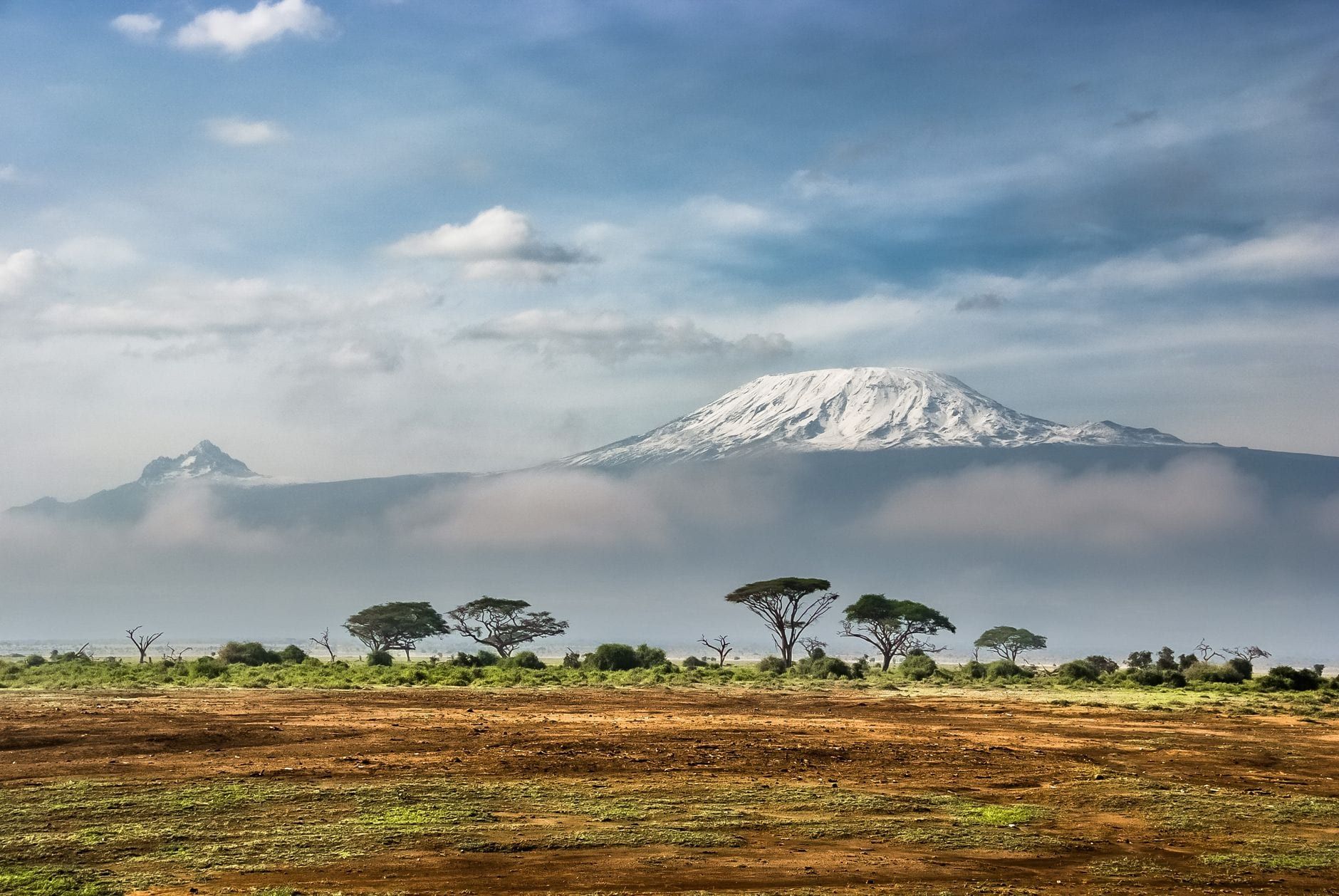
Kilimanjaro sits about 300 km south of the equator, so its calendar runs on wet and dry seasons instead of four distinct ones. Get the season right and you'll walk dry trails under a clear sky with a real shot at Uhuru Peak. Get it wrong and you're slogging through mud in a rain jacket, watching the summit disappear into cloud.
This guide breaks the year down month by month: temperatures, rainfall, crowd levels, and which routes handle the wetter months best. It also covers two questions most guides skip - how to time a summit night around the full moon, and how to line up your climb with the Serengeti's wildebeest migration.
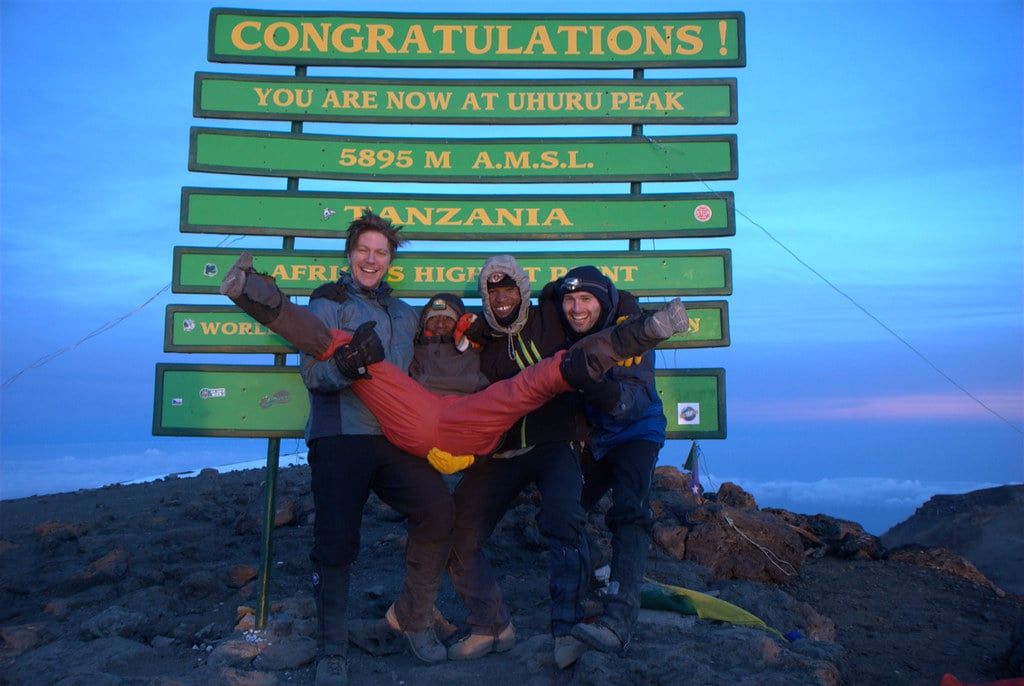
Quick Answer: The Two Best Windows to Climb
Two windows give you the best odds: January to early March, and June to October. Both sit inside Tanzania's dry seasons, when trails are firm, skies stay mostly clear, and a summit push isn't complicated by rain or fog. Between them, they cover roughly seven months of the year - plenty of room to build a trip around.
Which one to pick depends on what you want. Warmer days and thinner crowds than midyear favor January-March. Guaranteed dry weather and the most reliable logistics favor June-October, though July and August draw the biggest crowds and the coldest summit nights. If you already know you want a guided climbing itinerary built around clear skies, this is the safer window to book. If solitude matters most, aim for the edges of either window - late January, February, or September - rather than the peak weeks.
Kilimanjaro has no official closed season. Every month sees climbers on the mountain, and outfitters run trips year-round - even through April's long rains, when success rates drop hardest. Park gates keep the same daily opening hours in every season, so the calendar affects trail conditions, not access.
Kilimanjaro's Seasons Explained: Why Timing Matters
Kilimanjaro's weather follows the Intertropical Convergence Zone, a band of rain-bearing cloud that drifts north and south across the equator through the year rather than the temperate four-season cycle much of the world runs on. That movement gives the mountain two dry seasons and two rainy ones.
The short dry season runs January to early March, wedged between the short November rains and the long rains that arrive in late March. Those long rains, locally called the Masika, typically last through May, with April the wettest month on the mountain - some operators trim or suspend schedules around it. The long dry season then takes over from June through October, before the short rains, the Vuli, return in November.
None of this is uniform by altitude. The rainforest zone, between roughly 1,800 and 2,800 meters, catches 1,000 to 2,000 mm of rain a year regardless of season - it's the wettest slice of the mountain even in July. Climbers pushing through it on a dry-season trek should still expect a damp, dripping first day or two.
Month-by-Month Breakdown
Here's how the calendar breaks down, grouped into windows that behave similarly.
| Months | Weather | Crowd Level | Verdict |
|---|---|---|---|
| Jan - early Mar | Warm, mostly clear, brief afternoon showers | Moderate | Great all-round choice, lighter than the midyear peak |
| Apr - May | Long rains (Masika), April is the wettest month | Low | Avoid if possible - lowest success rates of the year |
| Jun | Dry, clearing skies, nights turning cold | Moderate, rising | Solid start to the long dry season |
| Jul - Aug | Driest, clearest days, coldest summit nights near -20°C | Highest of the year | Best weather, biggest crowds - pack serious warmth |
| Sep - Oct | Dry and stable, crowds thinning | Moderate | Often the best all-round window, especially September |
| Nov - Dec | Short rains (Vuli) early Nov, drier and colder late Dec | Low, rising over Christmas | Quiet but unpredictable; late Dec brings a holiday crowd |
January through early March brings warm days at the lower camps, generally clear skies, and noticeably lighter crowds than the July-August rush. It's also prime season for a snow-dusted summit view.
April and May are the ones to avoid if you can help it. Rain turns the Barranco and Shira sections into a slog, cloud regularly blocks the summit, and success rates on some routes drop 20 to 30 percent below the annual average during the wettest stretch in mid- and late April.
June through October is the busiest, driest run of the year, but July and August pair the clearest days with the coldest nights at high camp - worth knowing before you pack. September earns its reputation as the best all-round month: dry like its neighbors, with the Northern Hemisphere summer crowds thinning out.
November and the first days of December bring short, often heavy afternoon showers and unpredictable weather as the wet season moves back in. Not disastrous, but not a sure bet either.
Weather, Temperature & Climate Zones on the Mountain
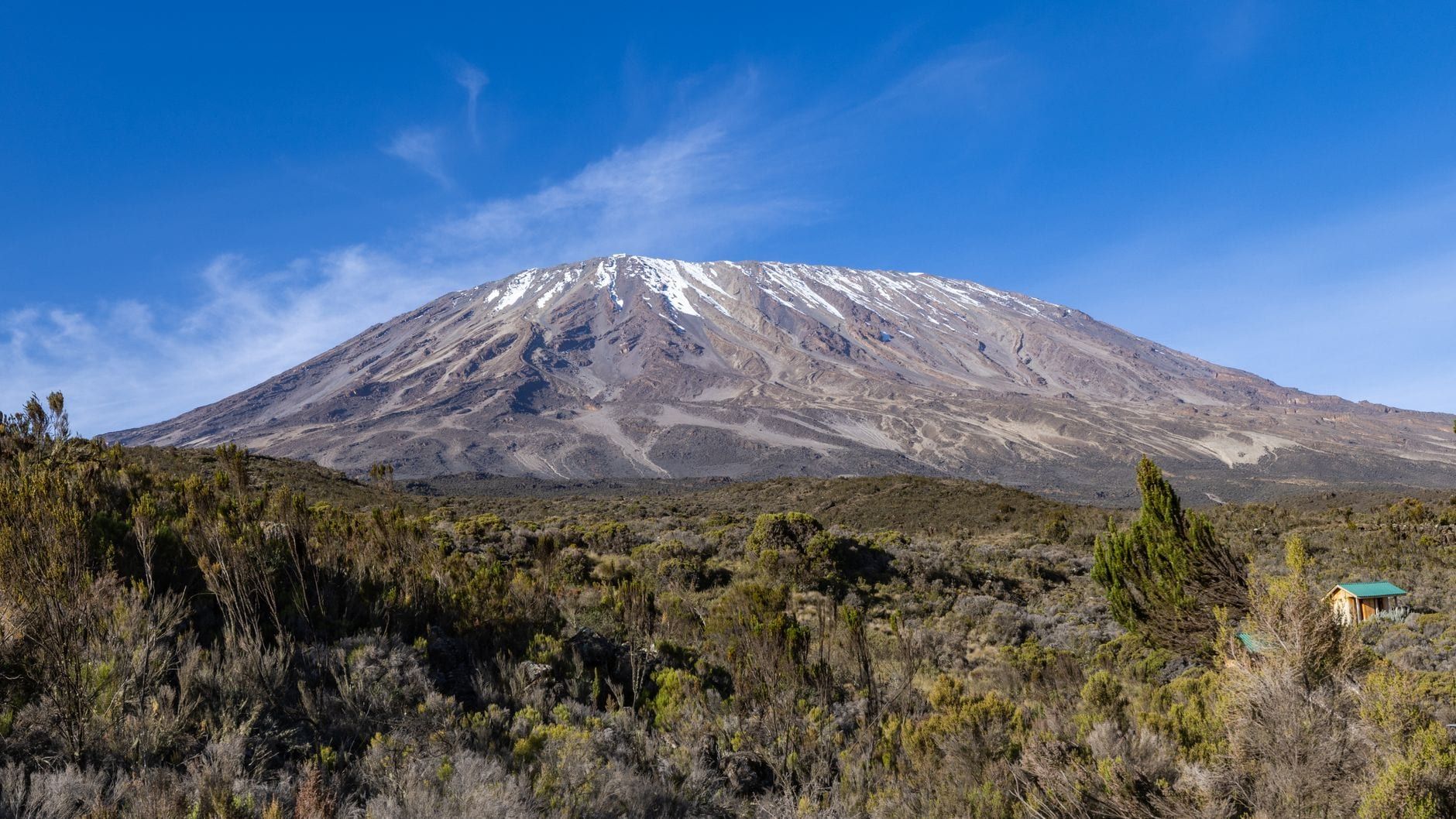
Kilimanjaro crosses five ecological zones between the park gate and the crater rim: cultivated bushland, rainforest, heath and moorland, alpine desert, and the arctic summit zone above roughly 5,000 meters. Each has its own microclimate, which shapes what you'll feel on a given day more than the month on the calendar.
Temperature drops around 0.6°C for every 100 meters gained, so a 30°C afternoon at the Marangu or Machame gate can end in a summit night 30 degrees colder by the time you reach Uhuru Peak. Expect -10°C to -20°C at the top in most months, colder still with wind chill. June and July nights at high camp tend to be the bitterest of the year, even with dry, clear days below.
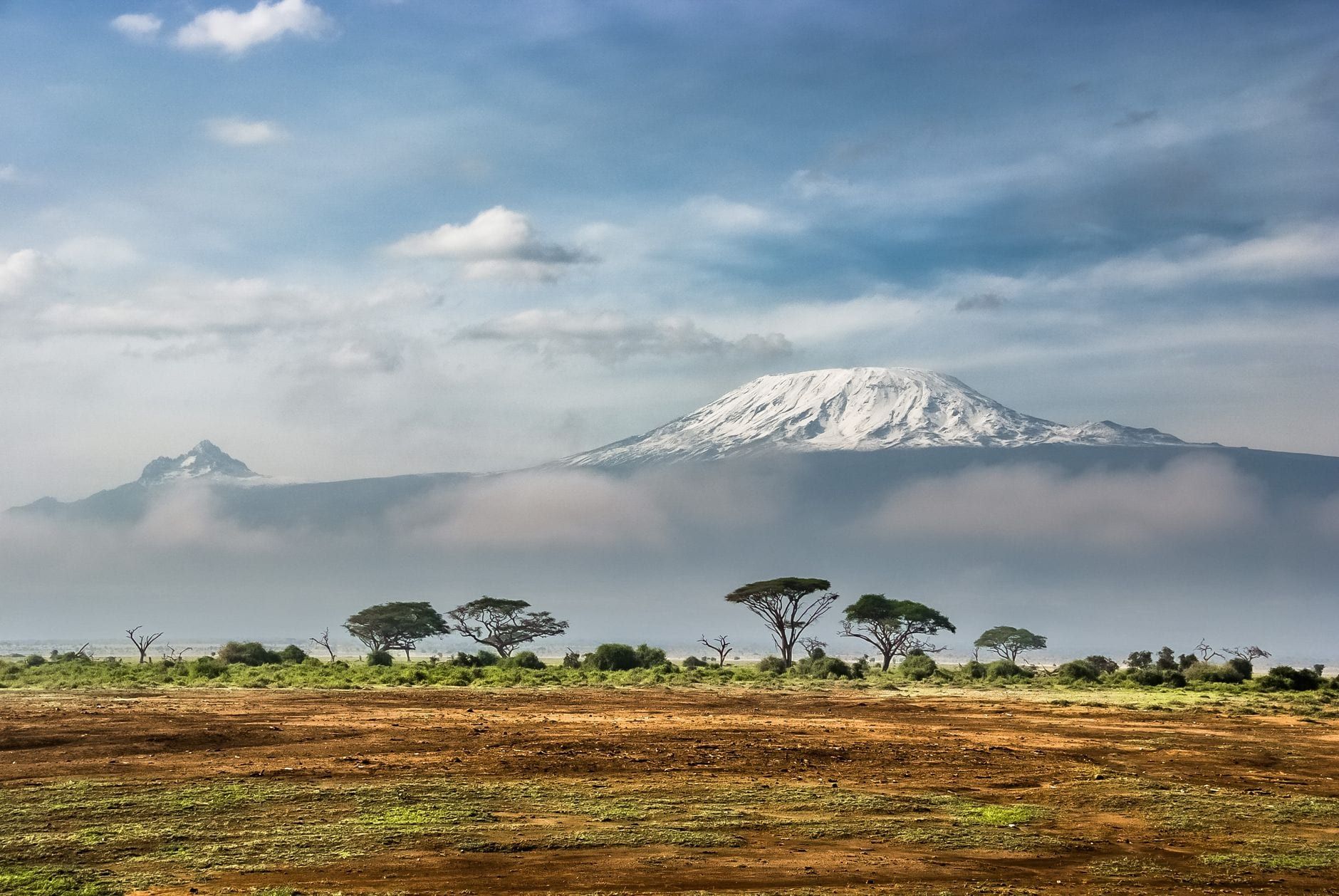
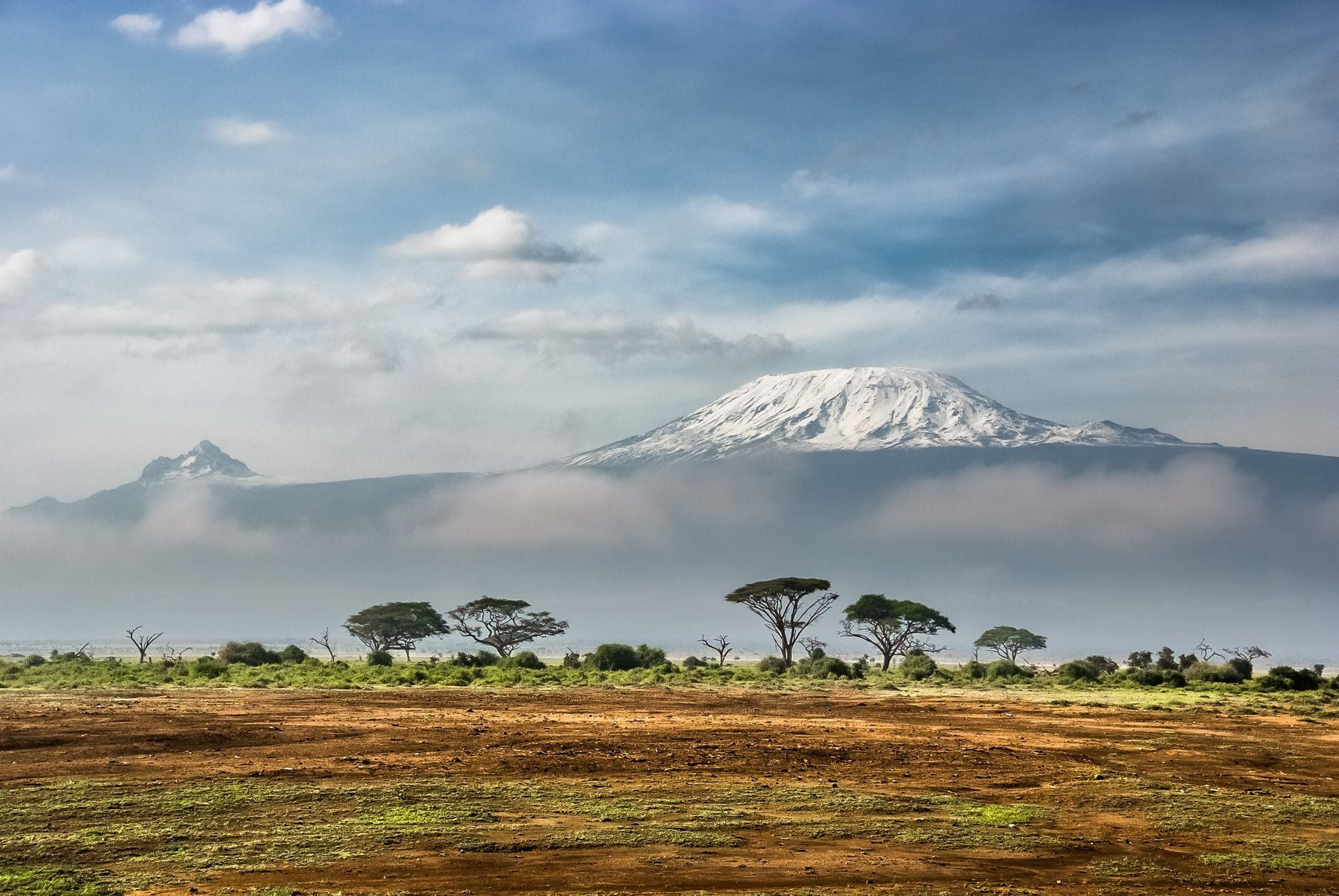
The arctic zone above 5,000 meters gets under 100 mm of precipitation annually, almost all of it snow rather than rain - one reason the upper mountain looks the same shade of grey-brown scree in January as it does in August. Snow cover on the summit itself varies more by month than by zone; December through March gives the best odds of a white-capped photo.
Crowds: When the Mountain Is Busiest (and Quietest)
July and August are the loudest months on the trail, packed with Northern Hemisphere summer travelers, followed by a second spike around Christmas and New Year. That holiday peak is driven by people's time off work, not by ideal weather - plenty of climbers still summit on 31 December despite lingering rain risk from the short rains.
January and February stay busy but manageable, and September holds a similar middle ground: dry, but past the July-August surge. For real solitude, look to April, May, or November, when trails empty out. The trade-off is exactly the rain risk covered above.
Route choice does as much for crowding as month choice. Machame and Marangu carry the heaviest foot traffic on the mountain; the Northern Circuit and Rongai routes see a fraction of the numbers, and starting a Lemosho itinerary mid-week rather than on the popular Friday-Saturday departures can dodge a chunk of the crowd on any route.
Rain, Safety & Summit Success by Season
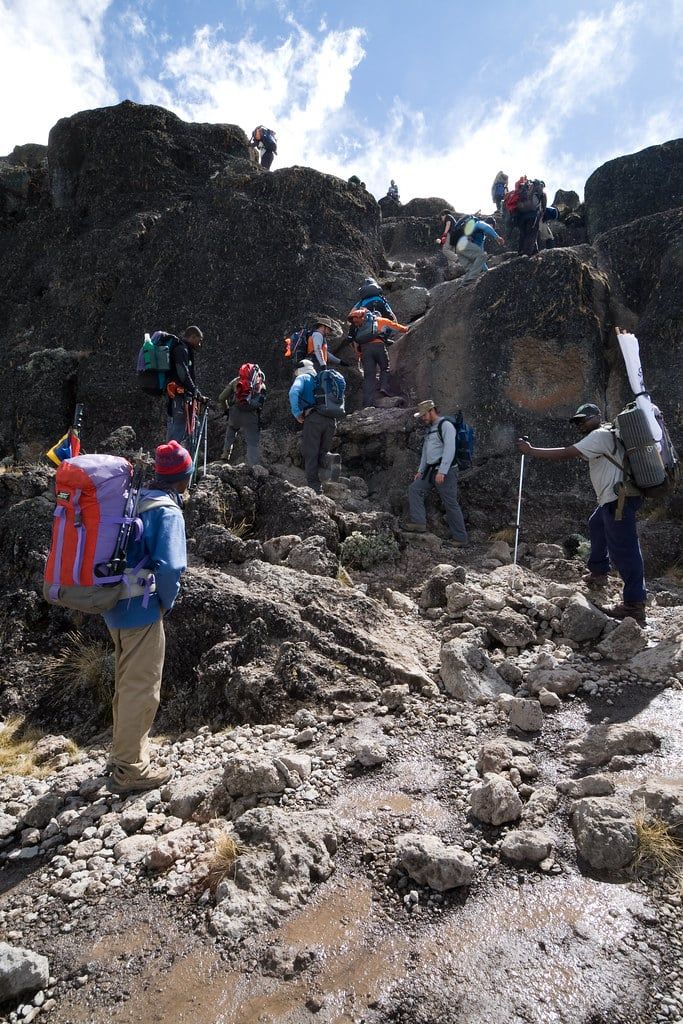
Rain does more than dampen the mood. Wet trails turn slick on the Barranco Wall's scramble sections, and low cloud can cut visibility to a few meters on summit night, when a guide's ability to read the path matters most. Cold and wet together raise the risk of hypothermia faster than cold alone, which is why guides push harder on pace and layering during the rainy months.
Month matters less for summit success than itinerary length. Climbers on 7- to 9-day routes post markedly higher success rates than those rushing a 5-day Marangu or Umbwe climb, in any season, because the extra days buy time to acclimatize. A well-chosen itinerary beats a well-chosen month.
If you're locked into a wetter month, route choice is your best defense. Rongai approaches from the mountain's rain shadow on the drier north side and stays noticeably less soggy than the southern routes. Marangu is the only route with roofed huts instead of tents - a real advantage for staying dry, if not for solitude, since it's also one of the busiest paths on the mountain.
Full Moon Climbs: Worth Timing Your Trip Around?
A full moon turns summit night into something else entirely: the scree slope lights up silver, headlamps become almost unnecessary, and the crater rim is visible well before dawn. It's the most popular optional add-on to a Kilimanjaro itinerary.
Timing it is simple math. For a 7-day climb, start the trek 5 days before the full moon date so summit night lands on or right beside it. For an 8-day itinerary, start 6 days out. Check the specific full moon date for your travel month before booking flights.
The catch: full moon weeks are some of the most heavily booked dates on the mountain, on any route. If solitude beats moonlight, pick a date a week either side instead.
Combining Your Climb with a Safari or Zanzibar Trip
Kilimanjaro's dry seasons line up neatly with East Africa's best wildlife-watching windows, which is why so many climbers bolt a safari extension onto the front or back of their trek. January to March overlaps with the wildebeest calving season around Ndutu in the southern Serengeti, when newborn calves draw predators onto the open plains.
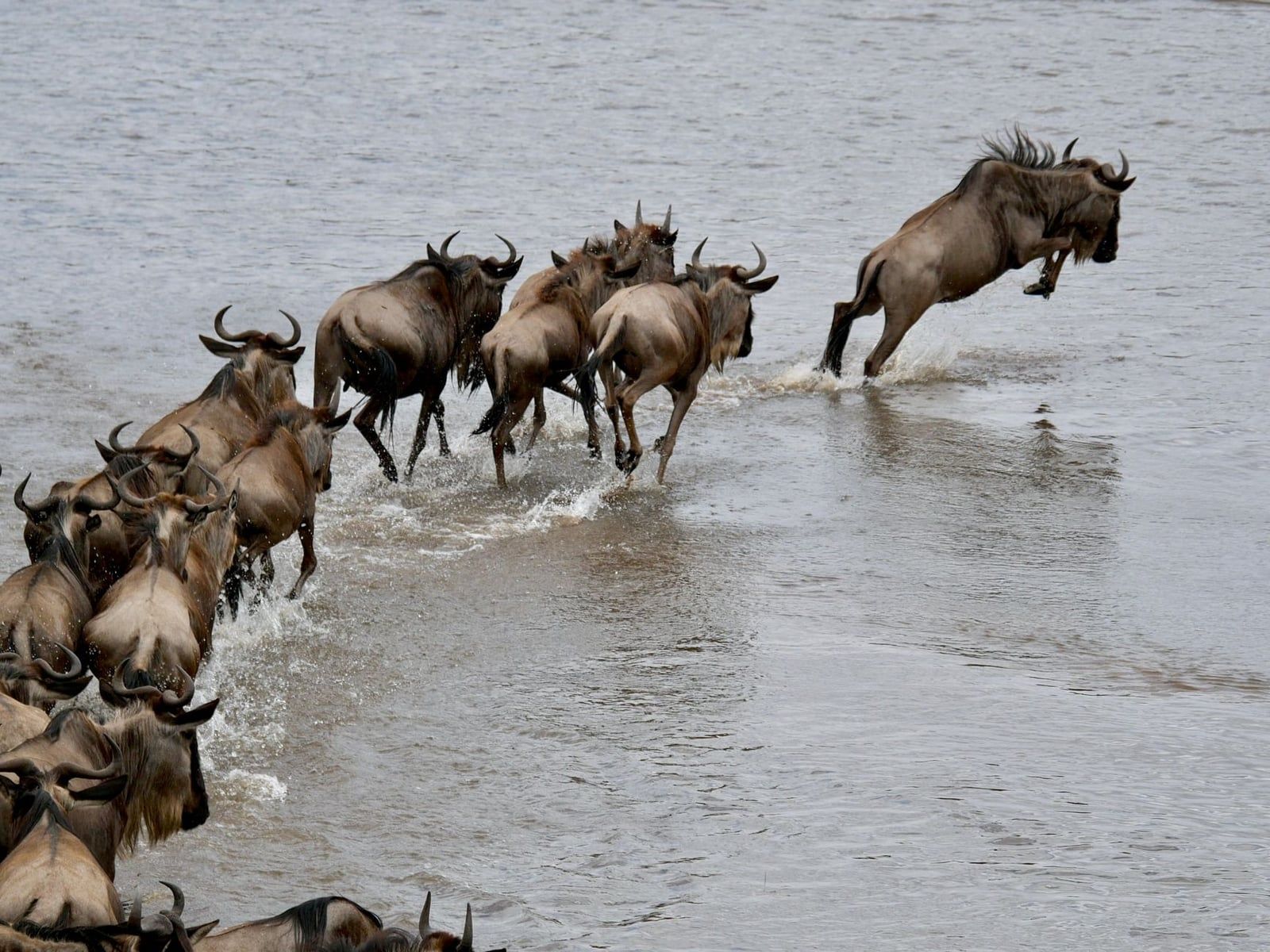
July to September lines up with the Great Migration's river crossings in the northern Serengeti and Mara region - the dramatic crossings most people picture when they think of the migration. Both windows also happen to be Zanzibar's driest beach weather, so a climb-safari-beach itinerary can run back to back without fighting the calendar.
How to Choose: Matching the Month to Your Priorities
- Guaranteed dry weather: July-October, especially August-September.
- Fewer crowds with decent weather: late January-February or September.
- Best value for money: November or May, if you can accept the rain risk.
- Best photography and snow-capped views: December through February.
- Best for beginners: January, February, September, or early October, on a 7- to 9-day route.
Whichever month you land on, book through a licensed, vetted operator and pick an itinerary of at least 7 days. That single decision does more for your summit chances than the calendar ever will.
Frequently asked questions
Can you climb Kilimanjaro in April or May?
Yes, technically - Kilimanjaro has no closed season - but April and May are the long rains (Masika), with the muddiest trails and the lowest summit success rates of the year. Success rates can drop 20 to 30 percent below the annual average during the wettest stretch in mid- and late April. If you have to travel then, Rongai's rain-shadow route is the safer pick.
What is the coldest month to climb Kilimanjaro?
June and July have the coldest summit-night temperatures, commonly -10°C to -20°C at high camp and colder with wind chill, even though the days are dry and clear. December can also turn cold fast if fresh snow falls on the crater rim.
What is the cheapest month to climb Kilimanjaro?
November and May tend to be the cheapest, since demand drops off in the shoulder seasons. The trade-off is weather risk - the short rains in November and the long rains in May.
Is Kilimanjaro ever closed to climbers?
No. Unlike many Himalayan peaks, Kilimanjaro has no official closed season and welcomes climbers every month. Some operators do scale back or pause departures in April and May, when rain makes routes less appealing.
Does the best time to climb depend on which route I take?
Yes. Rongai, on the mountain's northern side, sits in a rain shadow and stays drier than the southern and western routes in wetter months. Machame and Lemosho are more exposed to rain but are excellent choices in the dry season.
When should I plan a climb to see snow on the summit?
December through March gives the best odds of a snow-capped summit, with December to February the strongest window. The long dry season from June to October tends to leave the upper mountain browner and barer by comparison.
How does timing affect my chance of reaching the summit?
Dry-season climbers get firmer trails and clearer visibility, which helps, but itinerary length matters more. A 7- to 9-day route gives your body time to acclimatize and posts meaningfully higher success rates than a rushed 5-day climb, in any month.
What's the best time to combine a Kilimanjaro climb with a safari?
January to March overlaps with the wildebeest calving season in the Ndutu area of the southern Serengeti. July to September lines up with the Great Migration's river crossings farther north. Both windows also fall inside Kilimanjaro's dry seasons, so one trip covers both.